EN
EN

What Configurations Are Included in a Complete Plastic Sheet Production Line?
A complete production line for plastic sheets is vital for the fast-paced manufacturing industry. It's more than just a combination of machines; it is fundamental for the efficient and high-quality production of plastic sheets. Due to the rise of plastic sheets in the packaging, construction, and electronics industries, having an appropriately equipped production line is indispensable. A complete production line for plastic sheets guarantees consistent production, minimizes material waste, and satisfies the varying needs of different applications. Without a complete production line, manufacturers contend with uneven product quality and low production efficiency, which makes it difficult to scale operations. Thus, for any enterprise in plastic sheet manufacturing, knowing the setups of complete production lines is essential.
Main Components of a Plastic Sheet Production Line
A plastic sheet production line consists of various fundamental components, each having a specific role. The first of these components is the extruder, which melts and combines the plastic raw materials. Whether the extruder works optimally is a major factor that determines the quality of the finished plastic sheet, as it also determines the quality of the molten plastic.
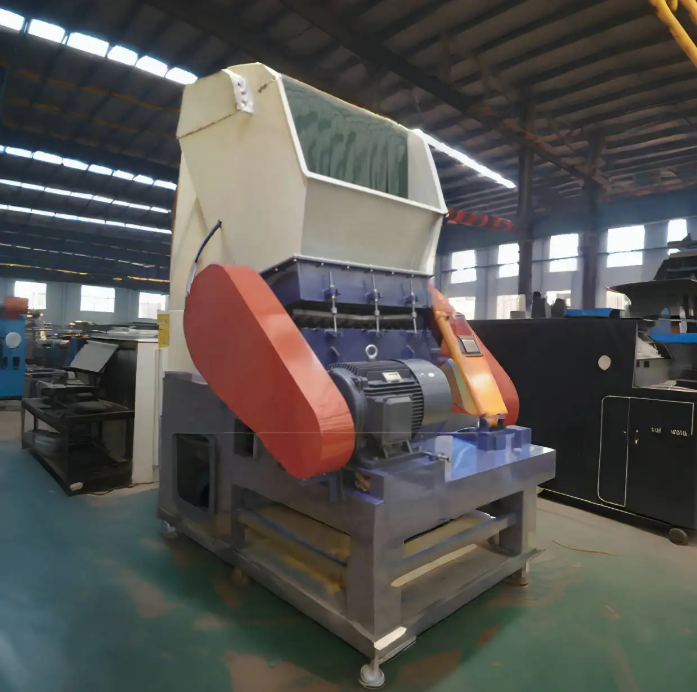
After that, the die head shapes the still molten plastic into the specified sheet form. The die head configuration determines the plastic sheet thickness, width, and surface smoothness. The calendering unit is next, which is designed to further process the plastic sheet to uniformly thick, and enhances the surface properties. The plastic sheet must then be cooled after calendering, which is done by rapidly and uniformly cooling the sheet in order to avoid deformation. The cooled sheet must then be hauled off by the haul-off unit that is designed to steadily pull the sheet to maintain its shape and dimensions. The cutting unit is designed to sever the continuous sheet into specified lengths or sizes. All the components outlined work in unison as a well-oiled machine in order to complete a line of sheet plastic manufacturing.
How All Parts of Influencing Each Other in the Production Line for Plastic Sheets Work
A sheet plastic production line is designed for smooth uninterrupted flow of work. The process begins with the extruder where you have to feed plastic pellets to the hopper, and then they will be melted by the heaters. The molten plastic is then pushed through the die head and the screw of the extruder to form a continuous sheet.
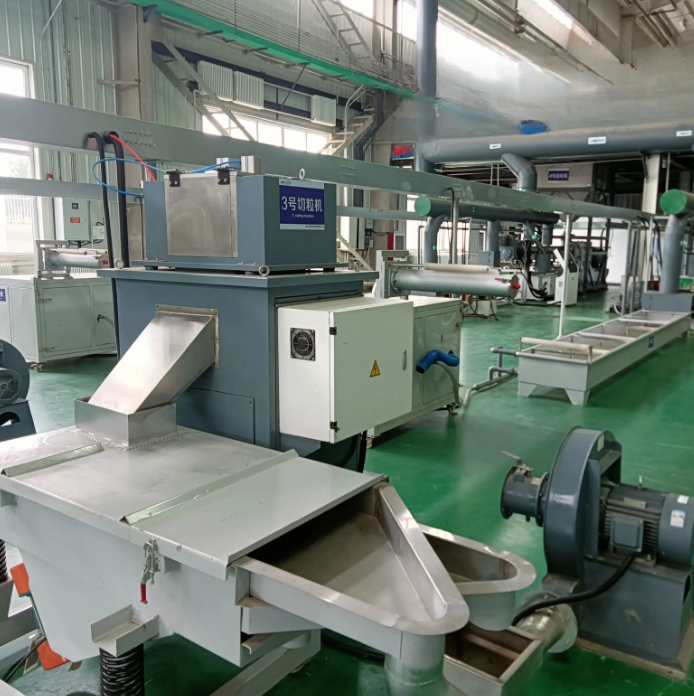
After passing through the die head, the plastic sheet goes to the calendering unit where sets of rollers apply even pressure to the sheets to adjust the thickness and uniformity of the surface. The calendered sheet refrigerates the sheet through water during sheet cooling. The rapid cooling of the calendered sheet is essential to ensure proper shape is fixated, sheet warping is avoided, and the sheet is cooled properly, preventing shrinking. The haul - off unit grabs the sheet and pulls it at a constant rate ensuring even stretching and dimension consistency. The cutting unit, which is in synch with the haul - off, trims the sheets to the specified lengths. Each unit and function are coordinated which ensures the plastic sheet production line is of high quality.
Considerations in Selecting Configurations for a Plastic Sheet Production Line
There are a number of considerations when choosing configurations for a plastic sheet production line. The kind of plastic material is at the top of the list.
The melting points of different plastics like PVC, PP, and PET, as well as their varying processing requirements, entail that the extruder, die head, and other components will be compatible with the respective material. Then, the product requirements such as the sheet thickness, width, and finish will determine the die head and calendering unit. If a sheet has a wide dimension opening, that die head will be width. Also, a calendering unit that has polished rollers will be necessary for a sheet that has a high-gloss finish. Then, the production capacity requirements also matter. Increased sheet production line requires extruders, haul-off and cutting units of higher performance input. Finally, the extent of automation system reduces labor and improves error levels in production. Businesses can determine the right configurations to construct a line that produces plastic sheets to their specifications.
The Impact of Advanced Configurations in Enhancing a Plastic Sheet Production Line
Advanced configurations substantially impact the performance of a plastic sheet production line.
Let's consider the example of using twin-screw extruders instead of single-screw extruders. Twin-screw extruders have the capability to better mix plastic raw materials, achieve higher melting efficiencies, and have more stable outputs, which adds to the quality of the resulting plastic sheets. The addition of automatic thickness control systems also significantly adds to quality improvements. This system is able to monitor the thickness of the plastic sheet in real-time using sensors and automatically adjusts the die head or calendering unit to the specified thickness. This optimizes quality because it minimizes over usage and waste of materials. The advanced integrated computerized control system of the entire plastic sheet production line also improves quality. It allows operators to customize and monitor the various systems to make the necessary adjustments to the production process and rapidly troubleshoot where there is a system failure or malfunction. Improved Advanced systems and methods of an air-water combined system of cooling are also rapidly improving the quality of plastic sheets. The combined systems advanced methods of cooling result in reduced cooling time, thereby improving production rate. The systems advanced methods of cooling offer higher quality production of plastic sheets, safety, and reliability of the production line configuration.
Corrective Action in the Maintenance of the Configurations of a Plastic Sheet Production Line
Correctly maintaining the configurations of a plastic sheet production line helps to ensure the line continues to run efficiently over time.
You'll need to regularly clean the screw and barrel of the extruder so that residual plastics won't build up and negatively affect the melting process and cause blockages. You will also need to regularly check the heating elements of the extruder to ensure that they are functioning and providing the required uniform heating. The die head also requires attention; you will need to clean it after every production run in order to remove any leftover plastics so that they won't harden and negatively impact the next production run in terms of sheet shape and surface quality. The rollers of the calendering unit must also be checked and regularly inspected for wear and tear. Repairs or replacement must be done in a timely manner so that the scratched or dented rollers won't harm the plastic sheet. The pipes and nozzles of the cooling system should be cleaned regularly in order to prevent clogging and inefficiency. The haul - off unit also needs to be checked for properly tensioned and not worn belts or rollers so that the plastic sheet will be evenly pulled. i- With these maintenance activities, companies will be able to sell and maintain plastic sheet production line configurations that stay in prime condition for longer. This will ultimately help in reducing the downtimes of the production line and increasing the operational life of the equipment.