EN
EN

What Challenges Are There in Agricultural Film Recycle and How to Overcome Them?
There are challenges in recycling agricultural film that need to be resolved. First, as alluded to in the first section, the geographical and demographic spread of film users increases the difficulty of centralized collection. Collectors and recyclers have to maneuver through difficult and time consuming logistical challenges to gain the minimal volumes of used film. Second, used agricultural film tends to be contaminated by soil, crop residues, and used chemical fertilizers, which makes recycling difficult. Contaminated agricultural film that is not cleaned during the recycling process compromises the quality of the recycled product and reduces the worth of that film for further reprocessing. Third, the apathy of not recycling stems from ignorance of some of the farmers. Some film users are unaware of the environmental issues linked to improper disposal of used agricultural and the benefits of recycling used film. The challenges of recycling agricultural film can be demoralizing for enterprises and local authorities, especially when there is such apathy from film users.
The Environmental Impact of Poor Agricultural Film Recycle
Severe environmental consequences are the result of poor agricultural film recycling, and these consequences add to the urgency of solving these recycling challenges.
If used agricultural film and film residuals are not disposed properly, they are often left in fields or dumped in the countryside. They break down over time into microplastics, which seep into the ground and contaminate groundwater. This affects the fertility of the soil and microplastics clog the channels where water and nutrients flow, resulting in poor crop yield. Furthermore, some animals may eat the larger pieces of agricultural film, causing fatal digestive issues. Uncontrolled residuals also pollute water bodies. When it rains, film residuals washed from fields into rivers and lakes. The pollution of the countryside and microplastics in the soil are in the food chain and threaten human health. The environmental pollution caused by non-recycled agricultural film means the issues and lack of opportunities in agricultural film recycling must be addressed to protect the environment and achieve sustainable farming.
Pural and Regulatory Support to Promote Agricultural Film Recycle
Overcoming the challenges of agricultural film recycling needs policy and regulatory support. Many regions are now implementing policies that encourage or mandate agricultural film recycling. For example, some governments subsidize recycling enterprises to offset the high costs of collecting used agricultural film for recycling.
These subsidies assist businesses in lowering their operating costs, thereby increasing the profitability of recycling. Other supportive policies often include assigning farmers and agricultural enterprises mandatory recycling obligations, which include the collection and recycling of a certain portion of used agricultural film. Additionally, the government promulgates regulations that set limits on the agricultural film producers so that they produce more recyclable films, i.e., films of uniform thickness without toxic additives, which makes agricultural film recycling easier. They even conduct regular inspections and impose penalties for compliance failures on recycling uncaptured used agricultural film. All these policies create a recycling-friendly environment that encourages all parties to engage in agricultural film recycling.
Improving the Efficiency of Agricultural Film Recycling Through New Technologies
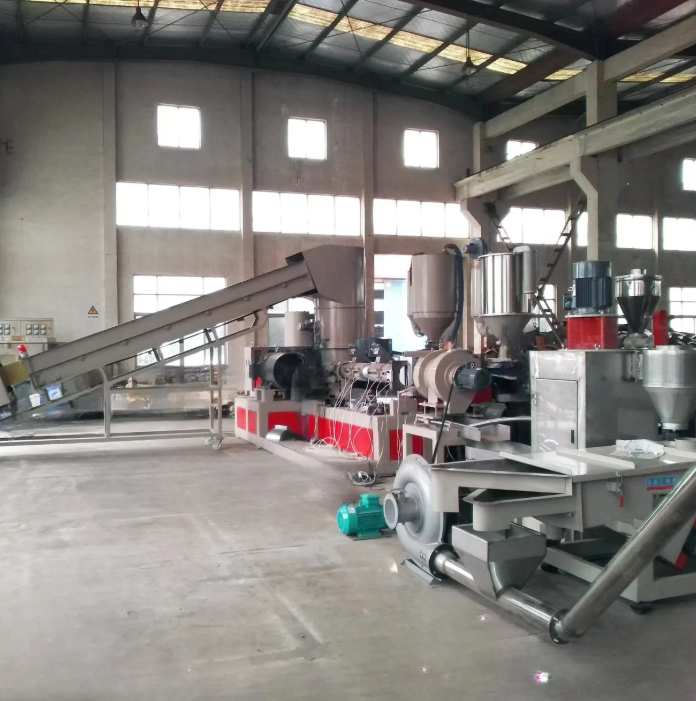
Technological advancements focus on solving the problems of recycling agricultural film and increasing the rate of efficiency. The productivity of recycling used agricultural film in the [field growth area/field growth zone] increased with the introduction of new collection equipment. Small mechanical collectors that work autonomously to gather used agricultural film from the fields and significantly decrease the manual labor effort required for collection are one of the integrated technologies. They separate the film from the soil and crop residues to a certain extent, which helps reduce contamination. The innovations that focus on the sorting and cleaning methods of recycling agricultural film are also noteworthy.
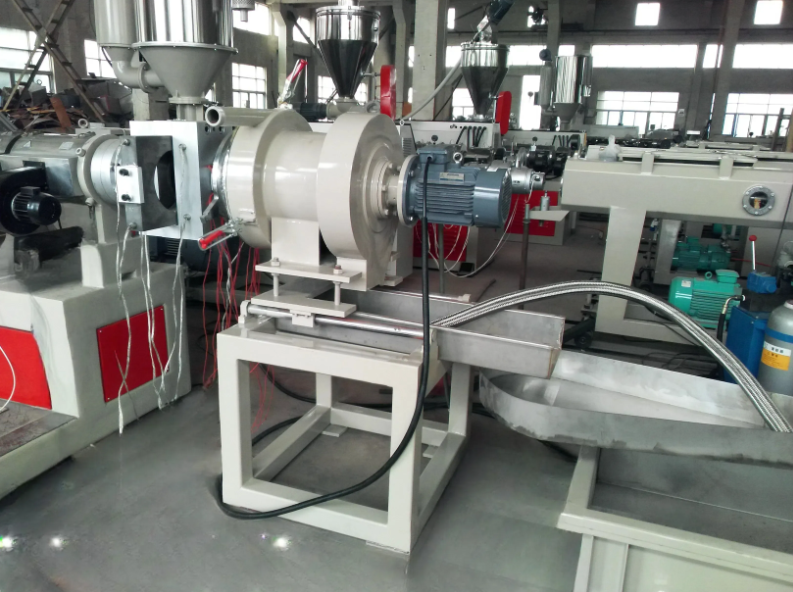
The recycling industry is innovating within automated sorting systems to integrate customizable sensors and separates AI technology based on type or quality. Cleaning systems with high-pressure water jets integrated with software-controlled biodegradable soaps allow for deeper cleaning of residual film while protecting the recycled elements of the film. Technological recycling advancements allow the film to be recycled into high-valued products like plastic pellets or other boxed plastic products. This technology makes the recycling of agricultural film much more efficient and sustainable.
The Role of Teaching the Farmer on Environmental Film Recycling
Educating farmers is key to closing the awareness gap to get their participation in agricultural film recycling. The steps to properly dispose of agricultural film are alien to many farmers. Target-based teaching initiatives can close this gap by helping them understand the process clearly. Training can illustrate to farmers the process of collection, cleaning, and storage of used agricultural film and separating it from other waste. Environmental film recycling can be profitable for farmers as it reduces waste and can be sold to recycling depots.
Key Message Reinforcement
Key messages can also be reinforced by educational materials and the posters and leaflets that are circulated in rural areas. Local authorities alongside recycling businesses can engage with farmers cooperatives and demonstrate the entire process of agricultural film recycling, practicing hands-on with the farmers. Farmers will appreciate the value that recycling brings and will engage to recycled agricultural film and close the gap in the recycling chain. This will help upon solving a huge problem in the recycling chain.
Cooperative Stakeholders in Sustainable Agricultural Film Recycle
Addressing the challenges of agricultural film recycle sustainably will require all stakeholders to work together. As highlighted previously, the government will give policy support and also funding, which the recycling enterprises will put towards technological advancements and building collection networks. As the principal users, farmers will also be vital in the proper collection and storage of recycling materials. More recyclable agricultural film is also a step manufacturers can take, all while improving the labeling. Clear recycling instructions would be a huge help. For instance, they can incorporate standard materials that streamline the agricultural film recycling process. This is all in addition to closed loop recycling, where recyclable film is supplied by the manufacturers, collected by farmers, recycled by enterprises, and then the recycled materials are returned to the manufacturers to refill the cycle.
Closing the loop on the recycling of agricultural film decreases waste, increases recycling sustainability, and providing an opportunity for more innovative recycling technology with academic institutions and enterprises partnerships. Overcoming the challenges of recycling agricultural film with all stakeholders allows for more eco-friendly practices in the agricultural industry.