EN
EN
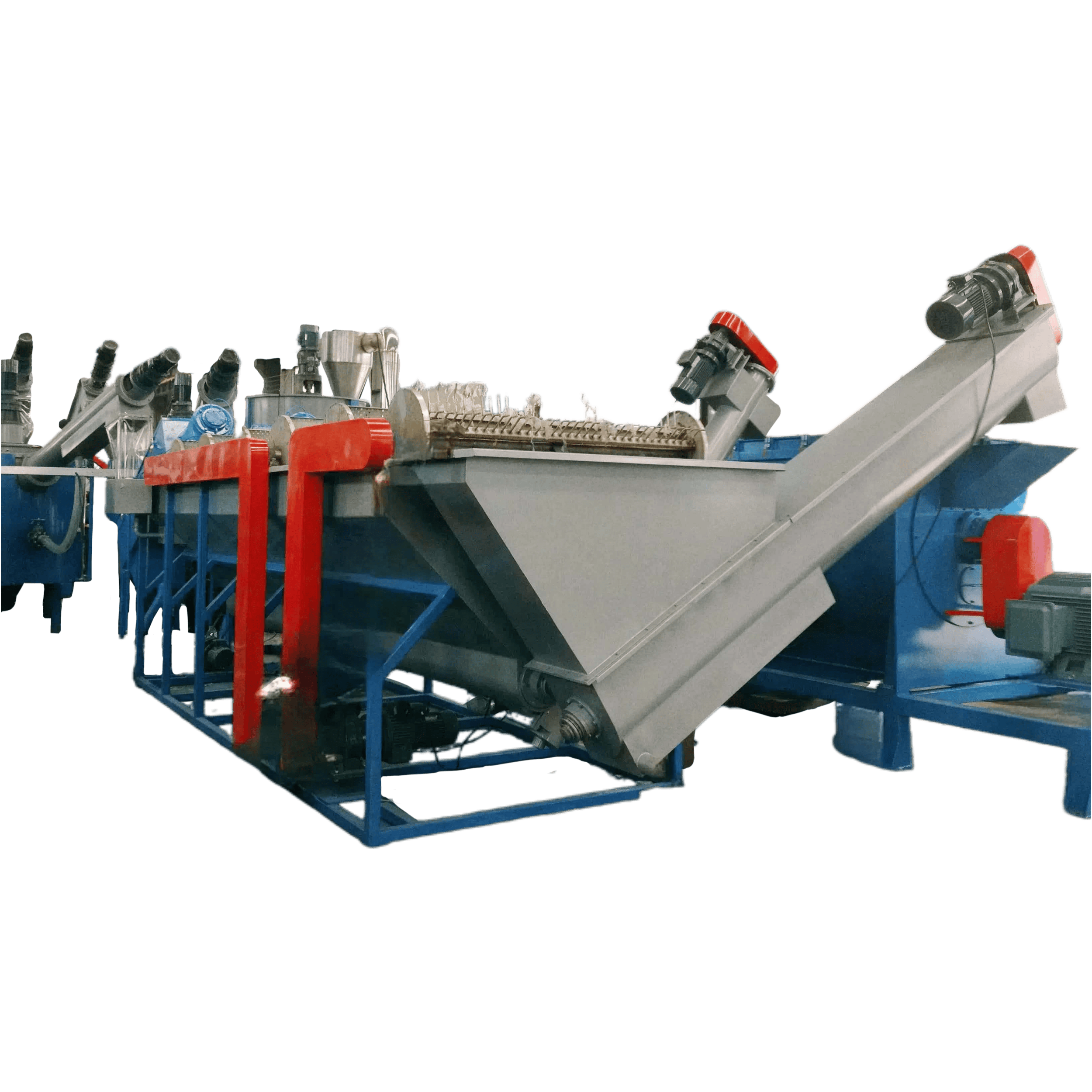
Როგორ მუშაობს პლასტმასის გრანულირება: პოლიმერიდან ერთგვაროვან გრანულებამდე ძირეული ეტაპები
Საკვების მიწოდება, დნობა და ექსტრუზია: ერთგვაროვანი დნობის მიღება და მუდმივი გრანულირება
Პლასტმასის გრანულაციის პროცესი იწყება პირველად გამოყენებული რეზინის ან რეციკლირებული პლასტმასის ფირფიტების გრანულაციის ხაზში შეტანით. ფირფიტები, ანურების მასალები, ხშირად ჭრის პატარა ნაკვეთებად ექსტრუდერზე მიწოდებამდე მის ტვირთს შესამსუბუქებლად. პლასტმასი შედის ორძაფიან ექსტრუდერში, სადაც კონტროლირებადი გაცხელებისა და მექანიკური შეღეჭვის შერევით იქმნება ერთგვაროვანი, სითხის მსგავსი გამხდარი მასა. გაცხელების ზონებში სიზუსტით დადგენილი ტემპერატურის პროფილი საკრიტიკო მნიშვნელობის მოსაპოვებლად ითვლება, რადგან ჭარბად გაცხელება შეიძლება გამოიწვიოს პოლიმერული ჯაჭვების დეგრადაცია, ხოლო არასაკმარისი გაცხელება შეიძლება გამოიწვიოს არ შერევილი ნარჩენების არსებობა და არ სრულდება გამხდარება. სინაკადრობის ერთგვაროვნების მისაღებად ერთგვაროვანი შერევის ძალიან მნიშვნელოვანია დიე-ფირფიტის მეშვეობით გატარება, რომელიც ადგენს მყარ და უწყვეტ სტრანდის ნაკადს. ეს ეტაპი განსაზღვრავს საბოლოო გრანულების ერთგვაროვნებას. როგორც აღნიშნულია «პოლიმერული დამუშავების ჟურნალში» (2023), ტემპერატურის გადახრები ±5°C-ზე მეტი შეიძლება გამოიწვიოს სასურველი ვისკოზიტეტის გარეშე მდგომარეობა, რაც შეიძლება გამოიწვიოს გამომუშავებული პროდუქციის ხარისხის 15%-იანი შემცირება.
Გაცივება, დაჭრა და შემშრალება: პელეტების ფორმის, ზომის და ტენიანობის ერთნაირობის კრიტიკული ეტაპები
Როდესაც სტრენდები ექსტრუდირდება, ისინი სწრაფად გაცივდება სახაზო პროცესში, რომელიც ჩვეულებრივ წყლის აბანოა PS-სთვის (ამორფული პოლიმერი) ან ჰაერით გაცივების სისტემა PP-სთვის (ნახევარ-კრისტალური რეზინებისთვის). ეს მიდგომა სტრენდებს მყარ სტრუქტურას აძლევს, რაც გარანტირებს განზომილებებისა და ზედაპირის დასრულების კარგ მეორედ მიღებადობას, ასევე თავიდან არიდებს დეფორმაციას და დაძაბულობას. ეს კრიტიკულად მოქმედებს კრისტალურობასა და ზედაპირის მახასიათებლებზე. გაცივების შემდეგ, სტრენდები სწორედ დროულად მოძრავი მახატებით პელეტებად იკვეთება. აპლიკაციის მოთხოვნილებების შესასრულებლად საჭიროებულ დაშორებას მისაღებად, მახატების სიჩქარე და ჭრის სიღრმე სწორად უნდა იყოს დაყენებული. ეს შეიძლება ძვირად გამოვიდეს და ამიტომ ჩვეულებრივ ერთ ეტაპზე ხდება.
Ზომის ერთნაირობა (±0,5 მმ) ხელს უწყობს სარენტგენო კვების საიმედო და სწორ განხორციელებას ფორმებში. ფორმის მიხედვით, ცილინდრული ან მსუბუქად კონუსური პელეტების გამოყენებით მიიღწევა ხახუნისა და გამოკრულობის შემცირება. ტენის შემცველობის შემთხვევაში, ჰიგროსკოპული რეზინებისთვის, როგორიცაა PET, დადგენილია 0,5 %-ზე ნაკლები ზღვარი.
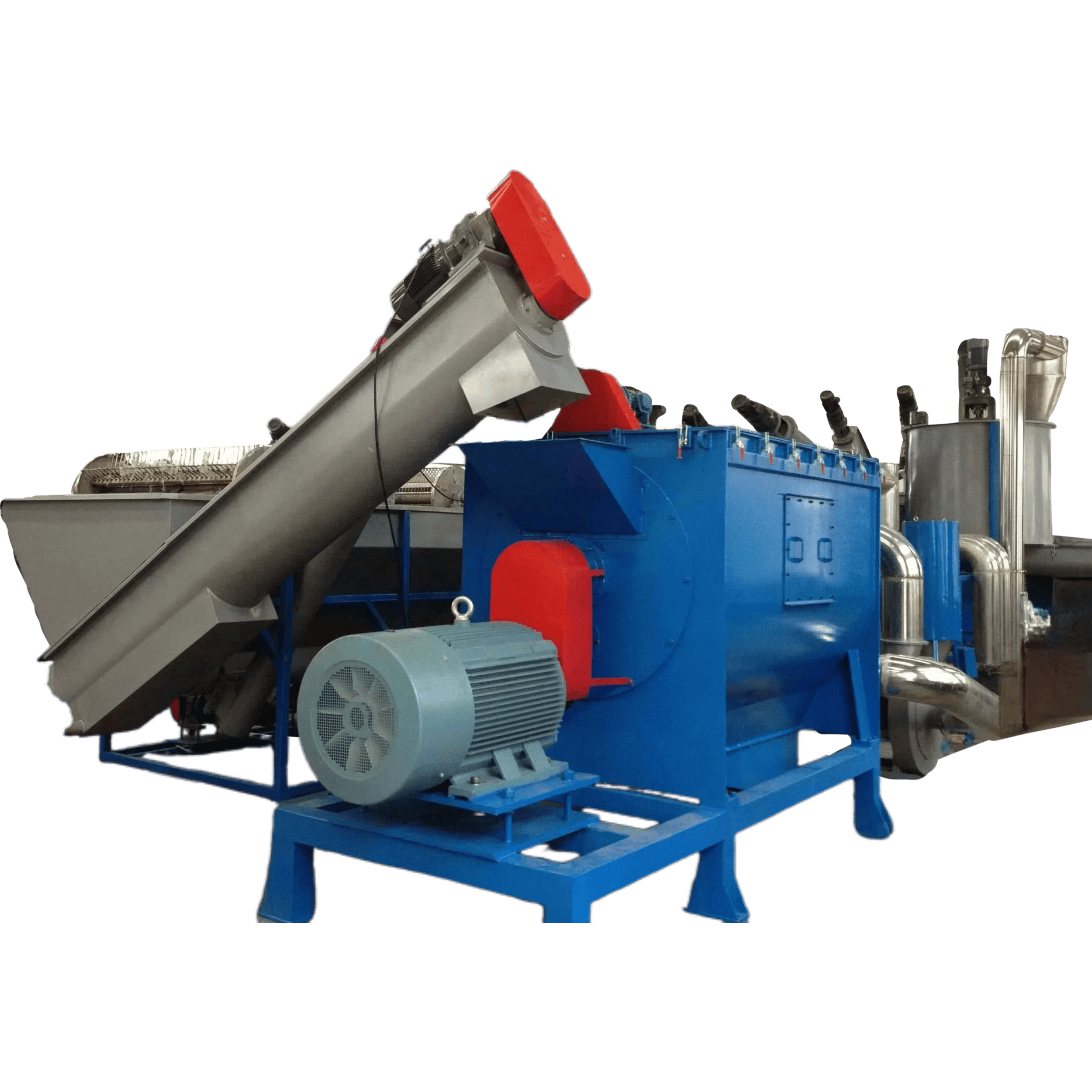
Პელეტების ზედაპირზე არსებული ტენი საერთოდ საცავში და დამუშავების პროცესში ძირეული პრობლემაა და შეიძლება გამოიწვიოს პელეტების ჰიდროლიზური დეგრადაცია. ეს განსაკუთრებით მნიშვნელოვანია PET-ის შემთხვევაში. ცენტრიფუგული სხველვა განკუთვნილია საწყისი სხველვისთვის და მისი გამოყენებით ენერგიის ხარჯი შეიძლება შემცირდეს მომდევნო დამუშავების ეტაპზე მაქსიმუმ 8%-ით, რასაც მიუთითებს მდგრადი პლასტმასების ინიციატივა (2024).
Რატომ არის პლასტმასის პელეტიზაცია მნიშვნელოვანი ეფექტური წარმოებისა და ხარისხის კონტროლისთვის?
Სტანდარტიზებული პელეტები — ინექციური ფორმების, ექსტრუზიის და შეშფოთების ფორმების სასურველი საკვები
Გრანულაცია არის პროცესი, რომელიც ახდენს არაერთგვაროვანი, თავისუფალად მოძრავი გრანულების გარდაქმნას საკვებ მასაში, რომელიც უფრო შესაფერებელია სიჩქარის მაღალი ავტომატიზებული დამუშავებისთვის. ეს გრანული აქვს ზუსტი გეომეტრია და ერთგვაროვნება, რაც უზრუნველყოფს საკვების სიზუსტეს და სიმჭიდროვეს. არეგულარული საკვების მიმართ სტანდარტული საკვები მნიშვნელოვნად ამცირებს სახელურებზე აბრაზიულ მოცვლას, უზრუნველყოფს სროლის წონისა და გახსნილი მასის წნევის კონტროლს და გაუმჯობესებს პროცესის მუშაობას ნაკლები დეფექტებით. სტანდარტული საკვები ასევე ხელს უწყობს წარმოების პროცესის მეორედ გამეორებადობისა და სიმდგრადობის კონტროლში.
Პელეტების ერთგვაროვნების გავლენა ავტომატიზაციაზე, დაბლოკვაზე და გამოტანაზე
Ერთნაირი პელეტების ყველაზე შესამჩნევი ეფექტია შეწყდომებისა და მომსახურების შემცირება ხელოვნური ხელოვნური ხელოვნური ხელოვნური ხელოვნური ხელოვნური ხელოვნური ხელოვნური ხელოვნური ხელოვნური ხელოვნური ხელოვნური ხელოვნური ხელოვნური ხელოვნური ხელოვნური ხელოვნური ხელოვნური ხელოვნური ხელოვნური ხელოვნური ხელოვნური ხელოვნური ხელოვნური ხელოვნური ხელოვნური ხელოვნური ხელოვნური ხელოვნური ხელოვნური ხელოვნური ხელოვნური ხელოვნური ხელოვნური ხელოვნური ხელოვნური ხელოვნური ხელოვნური ხელოვნური ხელოვნური ხელოვნური ხელოვნური ხელოვნური ხელოვნური ხელოვნური ხელოვნური ხელოვნური ხელოვნური ხელოვნური ხელოვნური ...... და მატრიცის დაბლოკვების გამო. ერთნაირი ცილინდრული და სფერული პელეტები სწრაფად და მაღალი ხარისხის ავტომატიზირებულ პროცესებში მოძრაობენ სწორად. ჰოპერები, ექსტრუდერები და სახელური შემადგენლობები შეძლებენ მაღალი სიჩქარით მიღწევას სრულყოფილი შედეგების, რადგან ერთნაირი ნაკრებების წინასწარ განსაზღვრული მოძრაობა და ნაკრებებს შორის მანძილის გამო მუდმივი წნევა უზრუნველყოფს ეს პროცესებს. ამიტომ, მაღალი ხარისხის პლასტმასის პელეტების ეფექტური დამუშავება და ფორმირება (პლასტმასის პელეტების მაღალი ხარისხის გასუფთავება) ყველაზე მეტ შემოსავალს იძლევა რეზინისა და პლასტმასის წარმოებაში.
Პლასტმასის პელეტიზაცია: რეციკლირება და წრეული ეკონომიკის ფარგლებში მდგრადი წარმოება
Მეхანიკური რეციკლირების გასაღები არის ჰეტეროგენული მომხმარებლის შემდგომი პლასტმასის საყოფაცხოვრებო შეფუთვა, საწარმოში წარმოების შემდგომი პლასტმასის ნარჩენები და მომხმარებლის შემდგომი ავტომობილური პლასტმასის დეკორატიული ელემენტების მაღალი ხარისხის, მომხმარებლის შემდგომი პლასტმასის პელეტებად გარდაქმნა. ნარჩენების პელეტიზაცია იძლევა მაღალი ხარისხის, სიმჭიდროვის მქონე, ფორმირებულ პლასტმასს, რომელიც შეიძლება გამოყენებულ იქნას პლასტმასის საგნების ფართო სპექტრის წარმოებაში — საკვების შეფუთვიდან სტრუქტურულ კომპონენტებამდე. ლოს-ანჯელესისა და პარიზის შეთანხმებების შემდეგ სასურველი პლასტმასის მასალების რეციკლირება უფრო ეკონომიურად გახდა. მომხმარებლის შემდგომი პლასტმასის სტანდარტიზაცია სრულიად არ იძლევა ნარჩენებს, სრული საკონტროლო სიზუსტის და ხარისხის გარანტიას უზრუნველყოფს და მის ინტეგრაციას ამჟამინდელ ღირებულების ჯაჭვში შესაძლებლად ხდის.
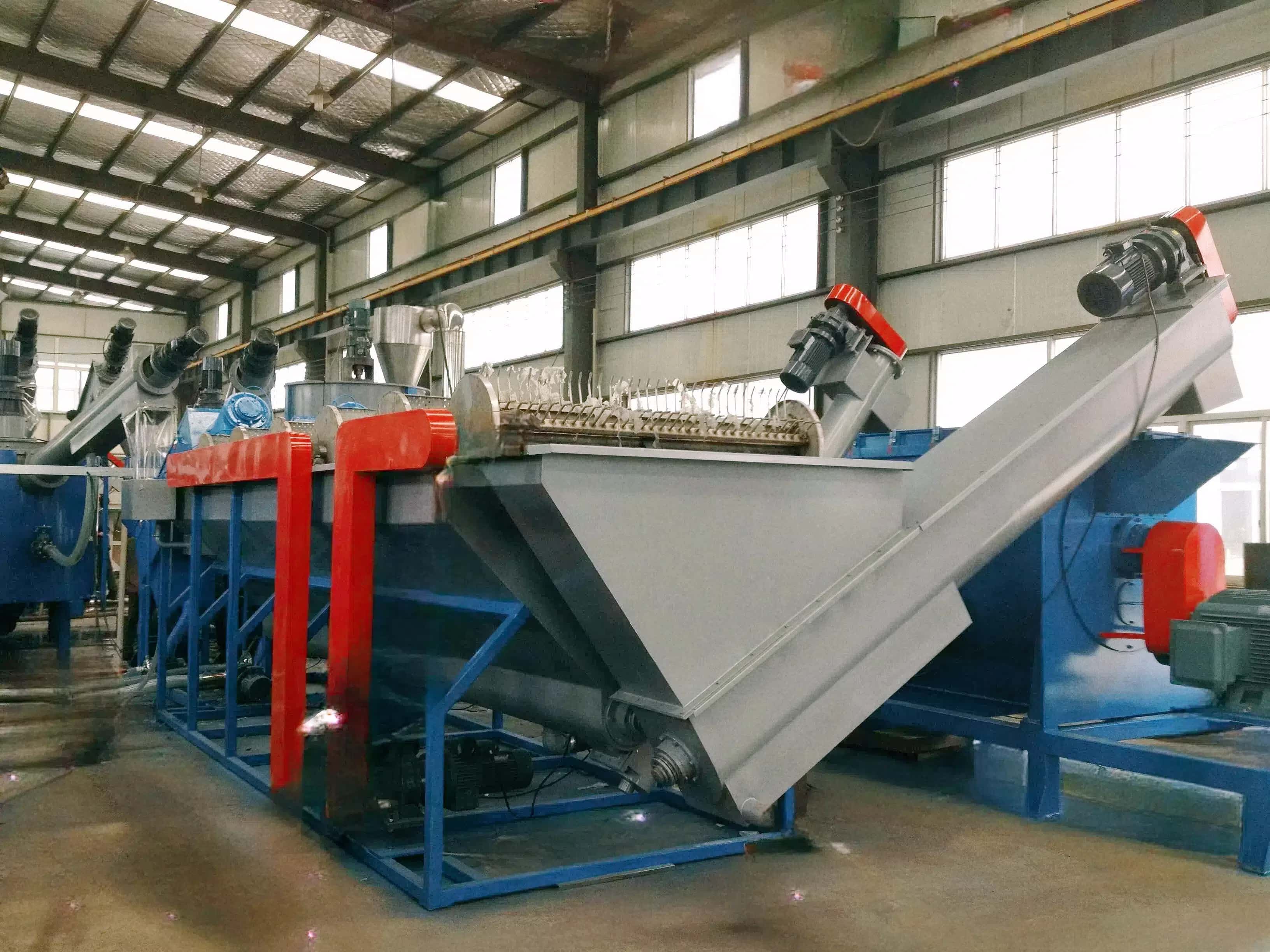
Პელეტიზაციაში ინვესტიციებისა და ქვემოთ მდებარე ეფექტურობის ცხოვრების ციკლის განმავლობაში მომდინარე გამოიგებების და ემისიების კვალის შემცირების ბალანსი
Პელეტიზაცია დადებითად მოქმედებს მთლიან ცხოვრების ციკლზე, მიუხედავად იმისა, რომ პროცესი მოიცავს მექანიკურ და თერმულ ენერგიას. ამის მაგალითად შეიძლება მოვიყვანოთ ერთი ტონა პლასტმასის რეციკლირება ერთი ტონა საწყისი რეზინის წარმოებასთან შედარებით: პირველი შეინახავს 5 774 კვტ/სთ ენერგიას, რაც შეესაბამება ტიპური ამერიკული სახლის მიერ დაახლოებით ექვსი თვის განმავლობაში მოხმარებული ელექტროენერგიის რაოდენობას. სტანდარტიზებული პელეტები ამაღლებენ ეფექტურობას ქვემოდან მომდინარე პროცესებში და ამცირებენ მოწყობილობის აბრაზიულ მოცვლას, ენერგიის მოხმარებას ნაკეთობარზე ინექციურ ფორმავალში და ექსტრუზიაში, ასევე ნაკლებად აძლევენ ნაგავს. ზემოაღნიშნული ფაქტორების ერთად აღება ნავთობბაზის საწყის ნედლეულზე დამოკიდებულების თავიდან აცილებას, სავარაუდო ნაგავების მიწაში ჩასხმის შემცირებას და პლასტმასის ტრანსპორტირების ტვირთის შემცირებას (შედარებით მოცულობით დიდი ფლეიკების ტრანსპორტირებას), ეს ყველაფერი ერთად ქმნის მნიშვნელოვან სასარგებლო გავლენას გარემოზე. პელეტიზაცია არის დაბალი რისკის, სტრატეგიულად გონივრული ინვესტიცია, რადგან ის მოკლე ვადაში უზრუნველყოფს დადებით ექსპლუატაციურ სარგებელს, ხოლო გრძელ ვადაში მისი გავლენა ორგანიზაციის მდგრადი განვითარების მცდელობებზე დამატებით ღირებულებას ამატებს.
Ხშირად დასმული კითხვები
Რომელი მასალები შეიძლება გამოყენებულ იქნას პლასტმასის გრანულაციაში?
Პლასტმასის გრანულაციაში შეიძლება გამოყენებულ იქნას როგორც სუფთა პლასტმასის რეზინი, ასევე რეციკლირებული პლასტმასის ფირფიტები.
Რატომ არის გრანულების ერთგვაროვნება მნიშვნელოვანი?
Გრანულების ერთგვაროვნება მნიშვნელოვანია, რადგან არაერთგვაროვანი ფორმა იწვევს არაერთგვაროვან მომარაგებას, დოზირებას და დამშრალებას, რაც ავტომატიზებულ სისტემებში დეფექტების წარმოქმნას იწვევს.
Როგორ უწყობს ხელს გრანულაცია რეციკლირებას?
Გრანულაცია საშუალებას აძლევს მომხმარებლის შემდგომი და სამრეწველო პლასტმასის ნარჩენების გარდაქმნას ერთგვაროვანი ფორმისა და ზომის გრანულებად, რაც მათ სხვადასხვა პლასტმასის გამოყენებაში გამოყენების საშუალებას აძლევს.
Რა სარგებლები მოჰყვება გრანულაციის დროს გაგრილებას?
პოლიმერის ძაფების კონტროლირებადი გაგრილება პლასტმასის ნელა გაგრილებისა და გამყარების საშუალებას იძლევა, რაც მას დეფორმაციისა და სასურველი დასრულების დაკარგვის გარეშე გაგრილების საშუალებას აძლევს.
Აქვს თუ არა გრანულაციას გარემოს დაცვის სარგებელი მხარე?
Კი, ეს ეხმარება ენერგიის დაკარგვის და სანაგვე სავარძლებში გადაყრილი ნარჩენების შემცირებას სუფთა რეზინით დამზადებული პლასტმასებთან შედარებით და ეხმარება ორგანიზაციებს მათი მდგრადი განვითარების მცდელობებში.