EN
EN
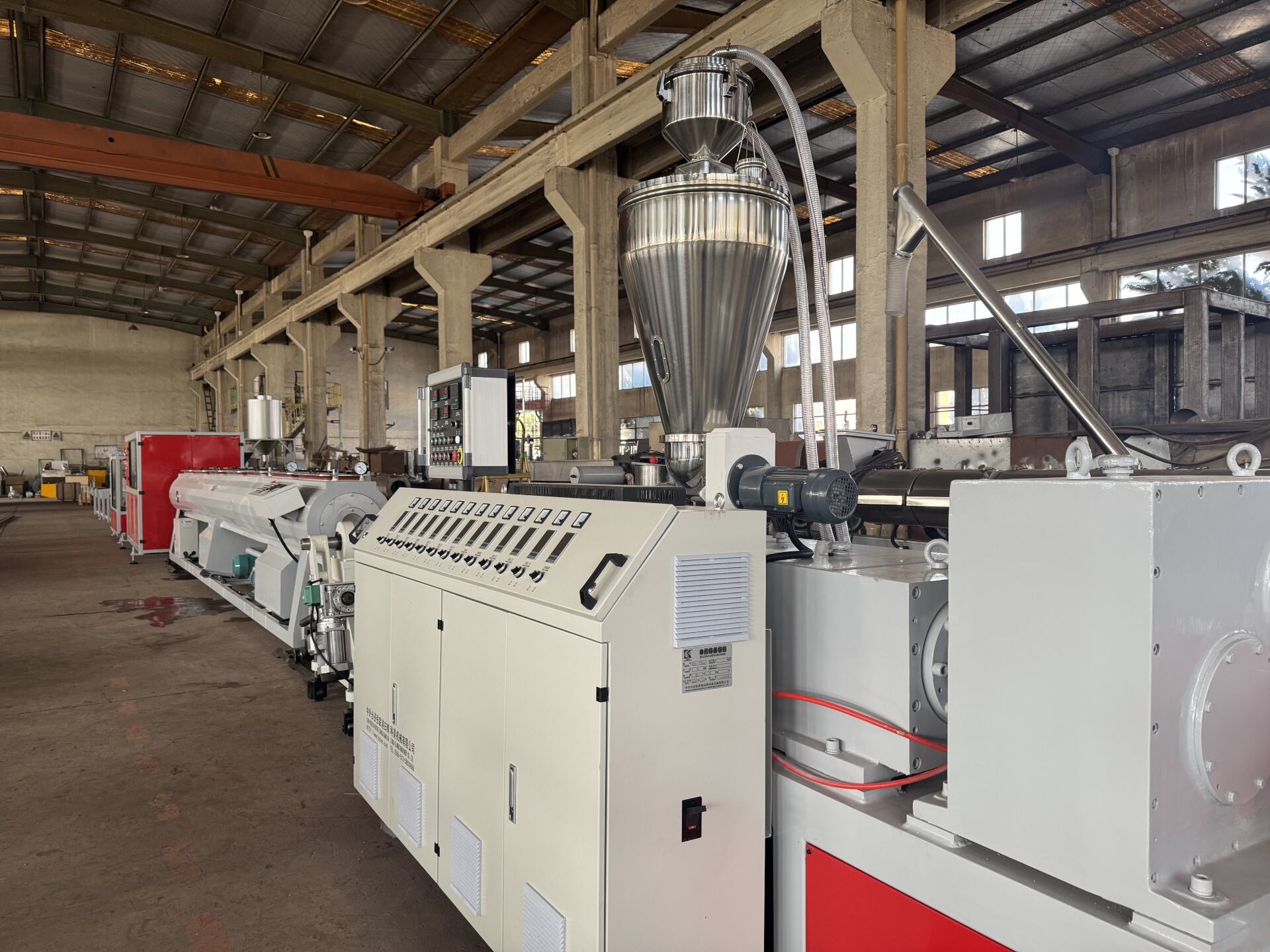
Direct Cost Advantages of Recycled Plastic Pelletizing
Industrial buyers and recyclers alike benefit immediately from the direct costs of recycled plastic pelletizing. It combines lower costs of raw materials with increased operational efficiencies. This makes it a financially compelling choice over the purchase of virgin resins.
Price differential providing cost-saving benefits of using recycled plastic pellets over virgin resins (Predictions for 2024)
In 2024, the cost of recycled plastic pellets should plummet to 30-50% of the cost of virgin resins, while the commercial industry will enjoy an estimated cost savings of 35%. For example, by using recycled LDPE waste as a raw material, an LDPE plastic-based furniture manufacturer enjoyed a cost savings of $1.2 million per year from the raw material savings. This resulted from their use of waste feedstock. Additionally, the use of virgin plastic supply chains to perform polymer synthesis in the furniture manufacturing industry from recycled waste is eliminated. The energy costs in advanced polymer synthesis from virgin plastics can be replaced with an advanced hybrid plastic pelletizing system, which costs 80% less energy than virgin plastic supply chains, and reduces the workforce from 2 to 1. This all translates into large cost savings, with limitless scale of facilities.
Benefit of a reliable supply chain: reduce dependency of price fluctuations of virgin plastics
The pricing of virgin resins is dependent on geological pricing of oil, which leaves producers vulnerable to unnatural spikes and supply shocks. Recycled plastic pelletizing is based on regional post-consumer and post-industrial waste, which is much more controllable and less volatile. By using Recycled plastic pelletizing, recyclers are better able to manage global market volatility, and better predict costs with less undetermined expenditures, and stabilized costs, which virgin resins cannot.
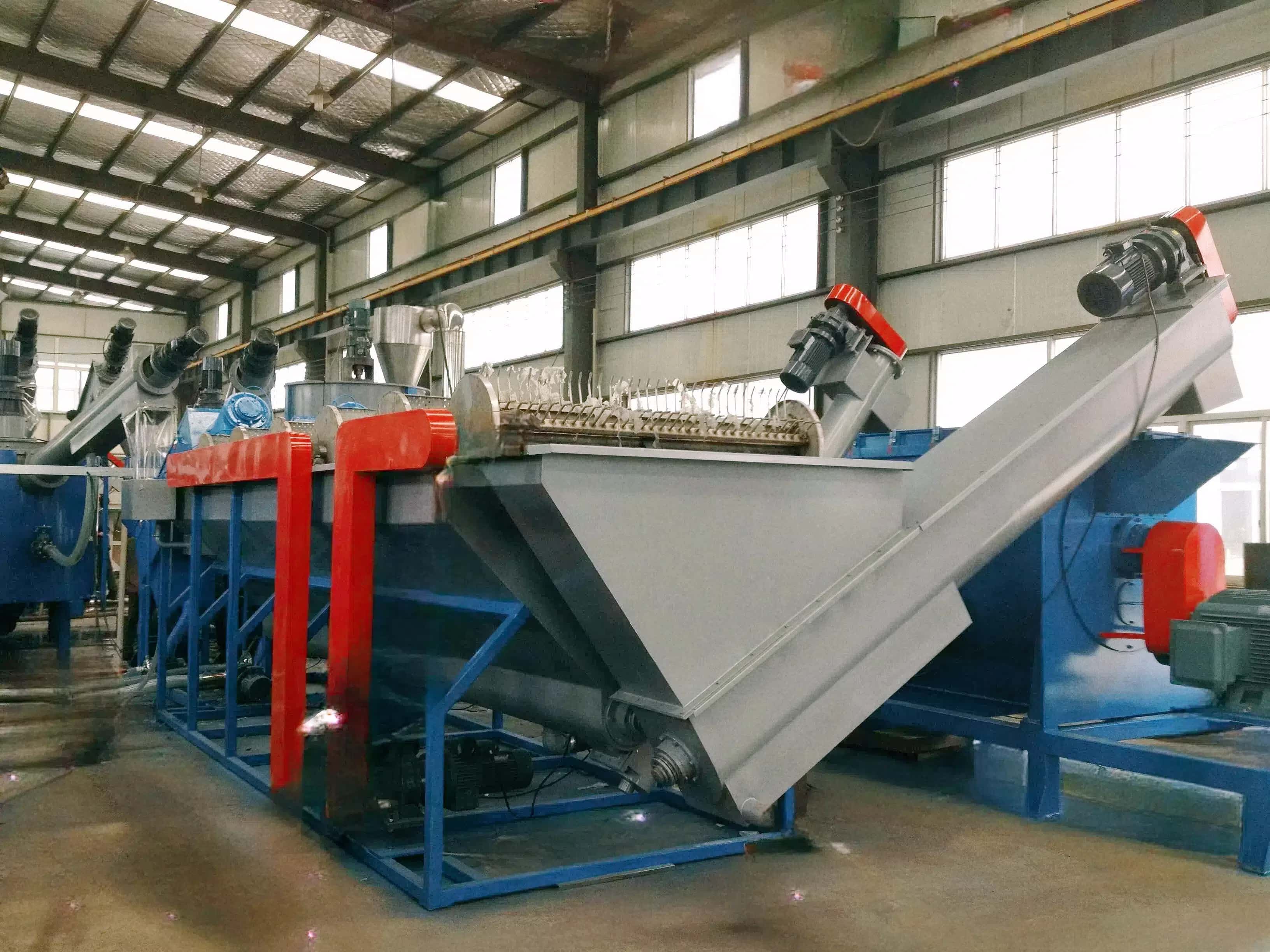
Improvements to Operational Efficiency via Integrated Recycled Plastic Pelletizing
Labor, energy, and waste disposal savings for end-to-end pelletizing workflows
Modern integrated pelletizing systems enable the drastic reduction of operational costs. With automation, labor utilization falls to 1-2 operators per shift, reducing staffing costs by 60% when compared to a manual sorting and extrusion approach. In contrast, energy consumption may fall by 20-40% with the use of optimized thermal management in combination with high-efficiency motors. Less energy translates to lower utility costs and a less carbon-intensive operation. Critically, waste that would have otherwise been landfilled now becomes a sellable product, eliminating waste disposal costs and generating new revenue opportunities. These intersecting efficiencies make integrated pelletizers vital to the lean and circular economy.
ROI analysis: Evaluating the cost-effectiveness of plastic pelletizing machines by production scale
Production Scale Machine Cost Range Payback Period Annual Savings Potential
Small Scale (<1 ton/hr) $50,000 - $150,000 6–12 months $75,000 - $200,000
Medium Scale (1-5 tons/hr) $150,000 - $500,000 12–18 months $200,000 - $600,000
Large Scale (>5 tons/hr) $500,000 - $2,000,000 18–24 months $600,000 - $1,500,000
ROI accelerates with scale. Small recyclers typically recover their investment in under a year via savings on landfill and revenue from pellet sales. Mid-sized operations enjoy up to 35% lower processing costs per ton thanks to significant improvements in throughput and the consistency of output. Large operations experience up to a 50% savings on the procurement of virgin materials and are eligible for circular economy incentives in the EU and U.S. to improve the financial viability of their operations.
Revenue Growth Using Certified Recycled Plastic Pelletizing
Using Certified Pellets from Post-Consumer and Post-Industrial Plastic Waste
Selling recycled plastic pellets is a verifiable, sustainable business. Processed and guaranteed by UL 746D, ISCC PLUS, and other certifying bodies, certified recycled plastic pellets have consistent composition, reliability, and traceability. Post-consumer and post-industrial plastic waste costs 15-30% of virgin resin, and such waste processed by ASTM-compliant pelletizing lines sells in that same price range. One manufacturer who specializes in converting LDPE waste into certified pellets made an additional $1.2 million in profit from its waste stream that sells 200 tons of certified pellets per month. Since 2030, the demand for packaging, automotive, and construction materials is expected to grow at a rate of 4.7% per year, making this process a great opportunity to turn a waste stream into a profitable business.
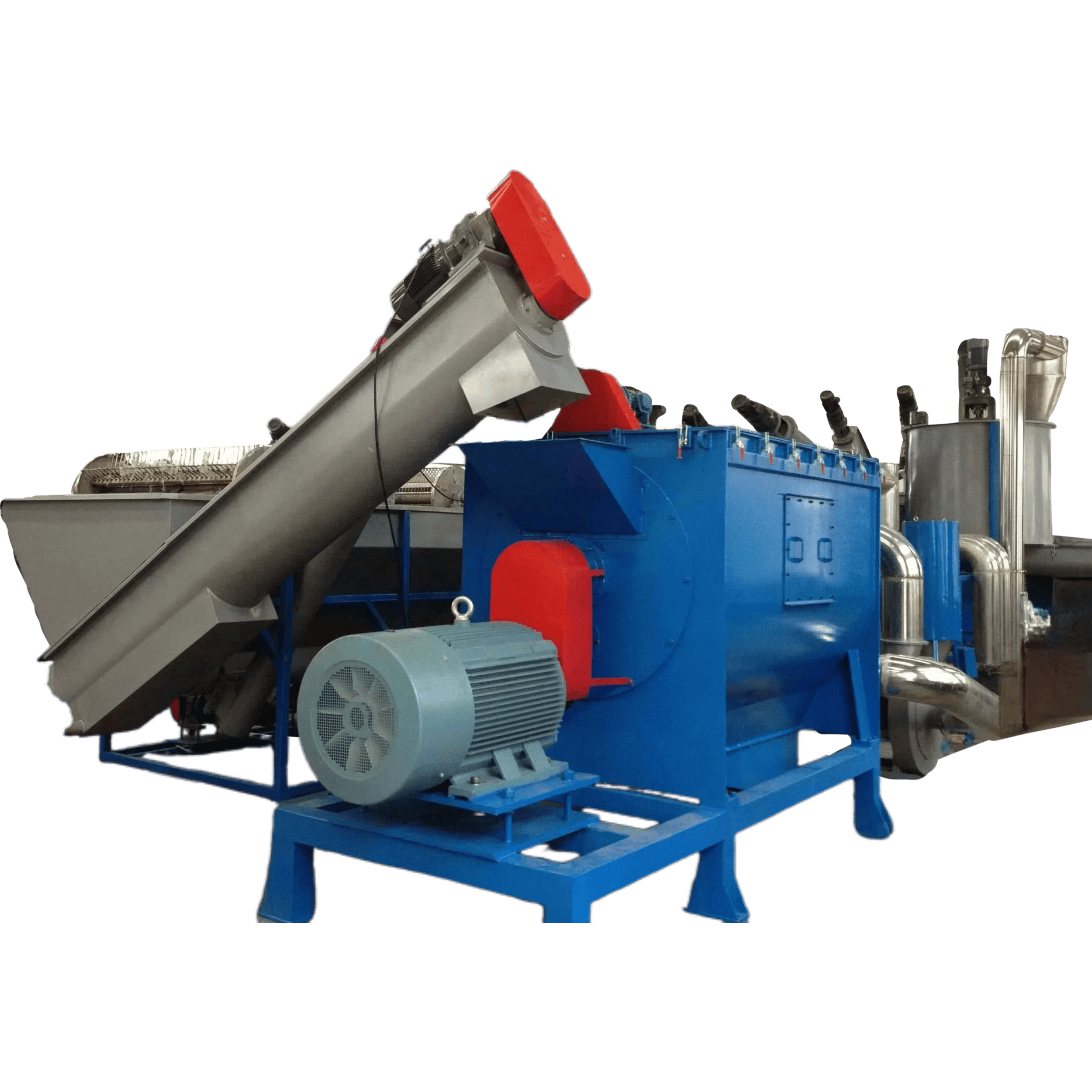
Creating Jobs and Local Supply Chains
By pelletizing waste, a circular economy value captures extends beyond sales. Certified recycled contents fulfill ESG guidelines for brands and local governments, therefore creating a new revenue stream. Local pelletizing operations create technical jobs and stimulate regional supply chains. In addition, the U.S. IRA tax credits and the EU’s Horizon grants provide financial assistance to recycling operations. Sufficient capital planning makes these factors improve net return on investment (ROI). Pelletizing is crucial and improvements to the environment also occur.
FAQs
Identification of recycled plastic pellets.
Post-consumer and post-industrial waste become a uniform, plastic biological mass used for production. Recycled plastic pellets are post-consumer and post-industrial waste made to be uniform.
What is the price difference between virgin resin and recycled plastic pellets?
You will typically save 30-50% in costs by choosing recycled plastic pellets instead of virgin resin, therefore, planning your purchases of raw materials becomes more sustainable.
What advantages does switching to recycled plastic pelletizing have?
There will be reduced labor and energy costs. You will also benefit from reduced waste disposal costs and improved throughput, as well as additional revenue through disposal of recycled products.
How long does it take for pelletizing equipment to pay for itself?
For scalable production pelletizing, the cost is recouped in 6 to 24 months. In fact, the smaller the operation, the faster the cost recoups.
What certifications increase the value of recycled plastic pellets?
The buyers of recycled plastic pellets will gain confidence in the quality and consistency of the product through certifications, USL 746D and ISCC PLUS and therefore will be willing to pay more for certified recycled plastic pellets.