EN
EN

How to Choose the Right Plastic Recycling Equipment to Improve Waste Plastic Utilization Rate?
As the world gears more towards global resource recycling and environmental protection, waste plastic processing plants aim to recycle waste plastic more efficiently. Choosing the right equipment plays an important role. Bxkm, as a specialist in the R&D and production of plastic processing equipment, has the necessary expertise in helping plants choose the plastic recycling equipment appropriate to their needs. Effective plastic recycling equipment can recycle different kinds of waste plastic and reduce waste so that as much plastic as possible can be recycled. This article explains the main things to consider when choosing this type of equipment in an attempt to assist waste plastic processing facilities in reaching their target of sustainability.
Clarify the Type and Characteristics of Waste Plastic to Match Plastic Recycling Equipment
The main priority of the waste plastic processing plant will influence the type of plastic recycling equipment that should be purchased. Different plastic types such as polyethylene (PE), polypropylene (PP), and polyethylene terephthalate (PET) have unique properties, thus different recycling equipment will be needed to process each plastic type.
Recycling waste PET bottles demands robust crushing and melting plastic recycling machinery due to their high hardness. On the other hand, soft waste PE films require plastic recycling machinery to have special feeding mechanisms to avoid blockages. Multi-functional and adjustable waste plastic recycling machinery should be acquired if different types of waste plastics will be recycled. Also consider the waste plastics moisture level, impurity degree, and particle size, as these will influence the drying module and filter selection. This will make the equipment more effective in working with the waste plastic and in improving the utilization rate.
Evaluate Processing Capacity of Plastic Recycling Equipment to Satisfy Production Requirements
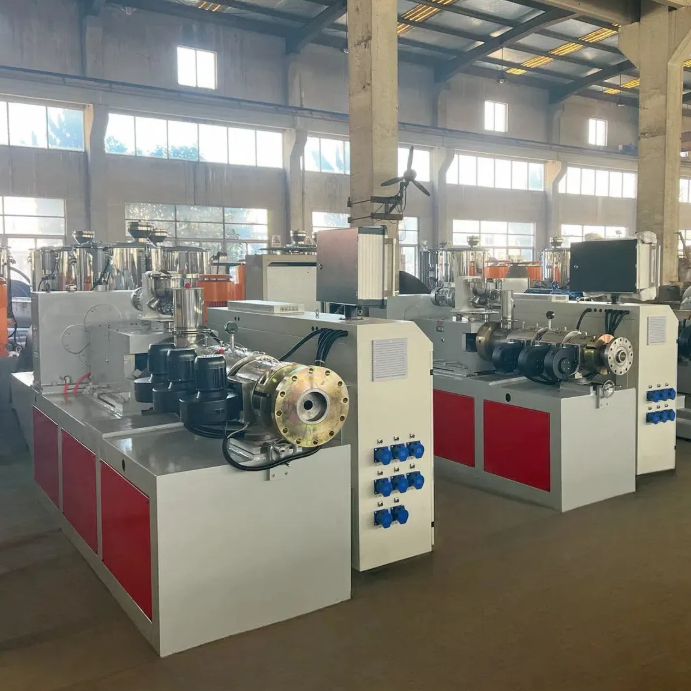
Another critical factor in selecting plastic recycling machinery is its processing capacity. This, in turn, will help balance processing capacity and avoid over/under processing plastic waste as both scenarios will determine plastic waste utilization rate. Moreover, having an equipped plastic recycling machine with smaller processing capacity relative to the volume of waste plastic generated daily in the plant will lead to some waste being processed to the point of spoilage which will lower utilization rate.
Having an oversized processing capacity can lead to inefficiencies, such as running equipment at low loads more often. This increases energy costs, operational costs, and likely decreases processing stability which can lead to increased material loss. Based on production plans, Bxkm recommends that plants determine daily and hourly waste plastic processing needs and select plastic recycling machinery with processing capacity needs that is 10% to 20% above those needs. This guarantees that all waste plastic will be processed as it becomes available and also accommodates potential production growth, improving the waste plastic utilization rate.
Paying Attention to the Energy Efficiency and Environmental Protection Aspects of Plastic Recycling Machinery
High energy efficiency and improved environmental protection of plastic recycling machinery will be directly related to the comprehensive utilization of waste plastic, and the sustainability of the plant operation. Energy efficient machinery generates savings by eliminating processing energy waste, while protection against environmental contamination guarantees that waste plastic will be processed without generating harmful by-products and will ensure that the recycled plastic products meet market environmental standards, increasing marginal value.
When you decide on the equipment you want for recycling plastic, utilize equipment with energy-efficient motors and equipment with energy recovery systems. An example here is the Bxkm equipment, which employs equipment with advanced insulating materials and waste heat recovery modules, capturing 25-30% of the energy ordinary equipment would waste. With the system being closed, the volatile waste in the plastic is processed completely, improving the yield of raw materials. The plastic recycling equipment with good efficient dust removal and exhaust gas treatment systems will improve the quality of the recycling end product, minimizing cross-contamination, and improving the value of the recycled plastic further down the line.
Check Automation Level and Intelligent Controls of the Plastic Recycling Equipment
With improved automation, plastic recycling equipment will improve processing stability and loss reduction. The advanced equipment is able to complete the recycling process for you, with systems for automatic feeding, temperature control, and sorting, drastically minimizing human error interferences on the quality control of the recycling process.
Let us consider some example to explain the intelligence of plastic recycling equipment. Some pieces of recycling equipment contain intelligent sensors that assess the impurity levels in waste plastic, adjusting the strength of filtering to retain most of the available materials and filtering the waste. Other equipment such as the Bxkm models provide means to touch control use equipment and monitor processing parameters in real time. They also provide means of triggering alarms to abnormal conditions. This mitigates loss of materials in case of equipment failure. Incorporating uncontrolled and primitive automation is not the only thing to consider to enhance processing efficiency. Waste plastic recycling has different parameters for different materials and integration un primitive automation will bring primitive returns and primitive efficiency to a system. Material utilization will be increased with intelligent and primitive controls at every step.
Focus on the After-Sales Service and Technical Support of Plastic Recycling Equipment Manufacturers.
Most problems with waste plastic recycling gear will usually be from loss of control and most plastic recycling equipment on the market provides this gas control function and control variables will always need advanced control techniques. Maintained guided control vacuum systems offer control over the plastic recycling with advanced automation. Values of control will always need advanced control techniques. Within the balance of control most loss will be incurred from poor after sales service and the need to use waste plastic from recycling without control over the equipment.
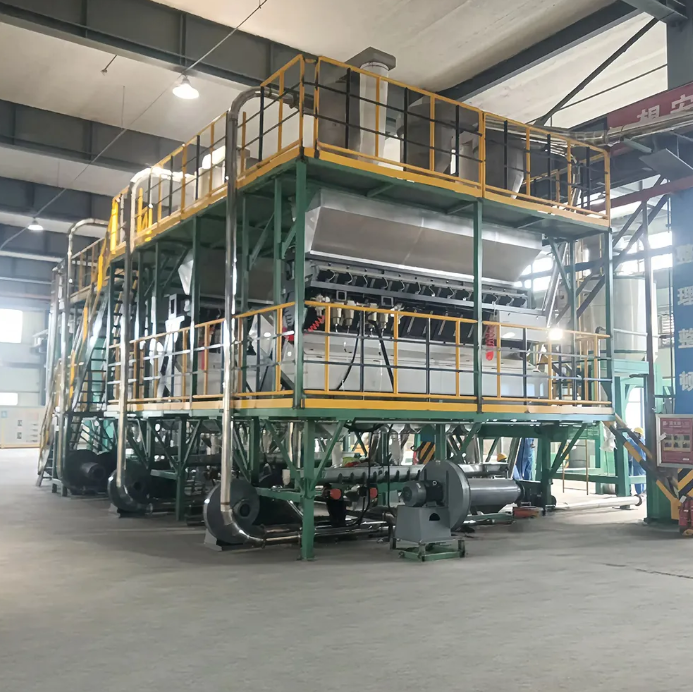
When selecting plastic recycling equipment, plants should consider factors including the manufacturer's after-sales service offerings, such as whether they provide on-site maintenance, the provision of spare parts, and technical training. For instance, Bxkm offers the service of one-year free maintenance on its plastic recycling equipment and has an after-sales service team that is guaranteed to attend to maintenance within 24 hours. Moreover, manufacturers that provide regular technical guidance and equipment upgrade services should be sought after as these would help plants optimize the recycling equipment and, with the improvement of processing technologies, enhance the utilization of the waste plastic.
Conclusion
Selecting appropriate plastic recycling equipment constitutes an important step for waste plastic processing plants to enhance their waste plastic utilization. Plants can identify the most appropriate plastic recycling equipment by understanding the type and characteristics of the waste plastic, analyzing the equipment's processing capacity as well as its energy efficiency and eco-friendliness, the degree of automation and smart control, and finally, the manufacturer's after-sales service and technical support. Bxkm, as an expert on plastic processing equipment, strives to provide waste plastic processing plants with high-quality plastic recycling equipment and integrated solutions to help them improve the utilization rate of waste plastic.
As the world moves toward recycling more resources, the right plastic recycling equipment can help facilities lower their costs, become more efficient, and help the environment. Thoughtful equipment choices allow facilities to process waste plastics, promote efficient recycling, and achieve sustainable development.