EN
EN

How Does Professional Lead-Acid Battery Recycling Help Reduce Environmental Pollution?
Lead-acid batteries are found in vehicles, backup power supplies, and industrial equipment. If disposed of improperly, these batteries can severely pollute the environment. One of the key ways to avoid these negative impacts is to recycle lead-acid batteries. BXKM is an enterprise specializing in battery recycling that uses the latest technology in lead-acid battery recycling to reduce the negative impact on the environment. Learning about the process of lead-acid battery recycling helps understand how professional recycling helps avoid pollution, protecting the environment and public health.
Staying Professional Avoids Lead Leakage, Preventing Soil and Water Pollution
There are many benefits of professional lead-acid battery recycling, the most important being the prevention of lead leakage and, as a consequence, the pollution of soil and water. Lead is a hazardous heavy metal and a polluting lead-acid battery discarded at a landfill is likely to get lead toxic
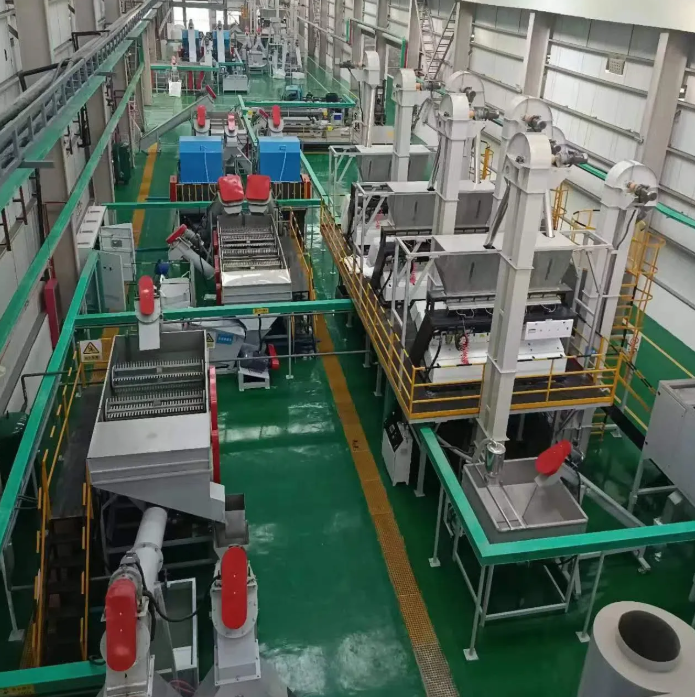
The primary lead derivate remains contained and reused in new batteries or other products, which ensures lead remains contained and prevents its release to the environment. This handling of lead is critical in preventing long-term lead-acid battery waste contamination of soil and water.
Takes Appropriate Steps to Decontaminate Electrolytes to Avoid Further Chemical Pollution
The electrolyte in lead-acid batteries consists of a mixture of water and sulfuric acid. This mixture is extremely toxic, and if left untreated, will cause irreparable chemical pollution and damage. Unchecked electrolytes will destroy vegetation, acidify soil, and contaminate water bodies, thus unbalancing and disrupting local ecosystems. Electrolytes in lead-acid battery recycling are professionally and specially treated, that is also BXKM passes safe chemicals to neutralize the acidic electrolyte and to the point where it will be safe for water to be discharged or reused, the water is to be purified and the corrosive electrolyte is to be neutralized. Solid byproducts will be processed for the harmful substances removal and safe disposal. Chemical pollution will acid damage to the land and water in these ecosystems is protected, thus proper treatment during electrolyte in lead-acid battery recycling is critical.
Prevention of Landfill Pressure and The Pollution That Comes With It
Professional lead-acid battery recycling is and should be a priority to help reduce landfill pressure, as well as the pollution that comes along with it.
Lead-acid batteries take up a lot of space in landfills, are bulky, do not degrade, and take a very long time to decompose. Over time, landfills release leachate, a toxic liquid consisting of waste, and methane, a dangerous greenhouse gas, and these gases are very harmful pollutants to our air and water. Reducing the number of lead-acid batteries that are landfilled decreases methane emissions as well as leachate. BXKM lead-acid battery recycling cuts down the number of batteries sent to landfills annually, lessening the strain on landfills. The environmental footprint of battery disposal is lessened by the space that is saved and the waste that is avoided by the disposal of non-degradable batteries.
Reduces the Need to Mine New Resources, Convert Over, and Affect on the Environment Related to New Resource Procurement
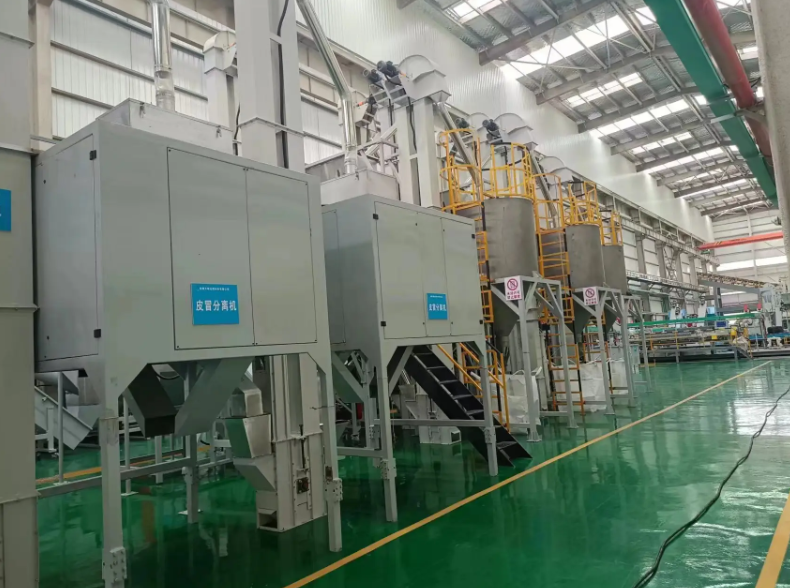
Supported by expert plastic recycling, mixing and extrusion machines, plastic recycling greatly reduces the need to mine fresh plastic supplies. Petroleum and other non-renewable raw materials are processed to make new plastic. This uses a lot of fossil fuels and makes harmful gases like carbon dioxide and volatile organic compounds. During the making of the plastic, industrial waste is also produced that pollutes soil and water sources. Moreover, the production of plastic goods and connected components uses raw materials and energy, which adds even more to the load on the earth. More than 95% of waste plastic can be recycled, sorted, mixed and extruded into reusable plastic raw materials by means of effective plastic recycling equipment, therefore meeting the need for fresh plastic resources and lowering the need for overexploitation of non-renewable resources by replacing the demand for new plastic resources.
BXKM's plastic recycling, mixing, and extrusion equipment cleans, sorts, crushes, and processes recovered waste plastic. The processed plastic particles and materials meet the specifications needed by companies that make plastic products. These companies use these recycled materials to make new plastic products. By reusing plastic resources, the demand for new raw materials mining and processing is significantly reduced, hence lowering the pollution produced by raw material mining and industrial production—including wastewater discharge and air pollution—and so relieving the environmental pressure imposed by plastic manufacturing.
Effective pollution control falls within the Environmental Protection Guidelines.
Relying on modern plastic recycling, mixing, and extrusion technology, controlled professional grade plastic recycling runs inside more stringent environmental protection rules and guarantees appropriate management of every pollutant that could be released during the recycling process. Conversely, unregulated informal plastic recycling activities use simple methods include open burning of waste plastic, basic crushing without pollution control, and random disposal of plastic waste and by-products. These basic methods not only make plastic trash pollution worse but also generate toxic gases and harmful particles that not only contaminate the soil and air but also endanger the health of people living nearby and employees. Professional and controlled plastic recycling, such as BXKM's, completely fits with national and worldwide environmental protection standards in contrast to these operations. Closed-loop processing techniques used in our plastic recycling, mixing, and extrusion machines help to regulate and capture any dust and noxious gases produced during recycling. To guarantee that the whole plastic recycling process is pollution-neutral, properly controls plastic waste, and benefits the environment positively, all byproducts that might cause environmental pollution are thoroughly gathered and treated.