EN
EN
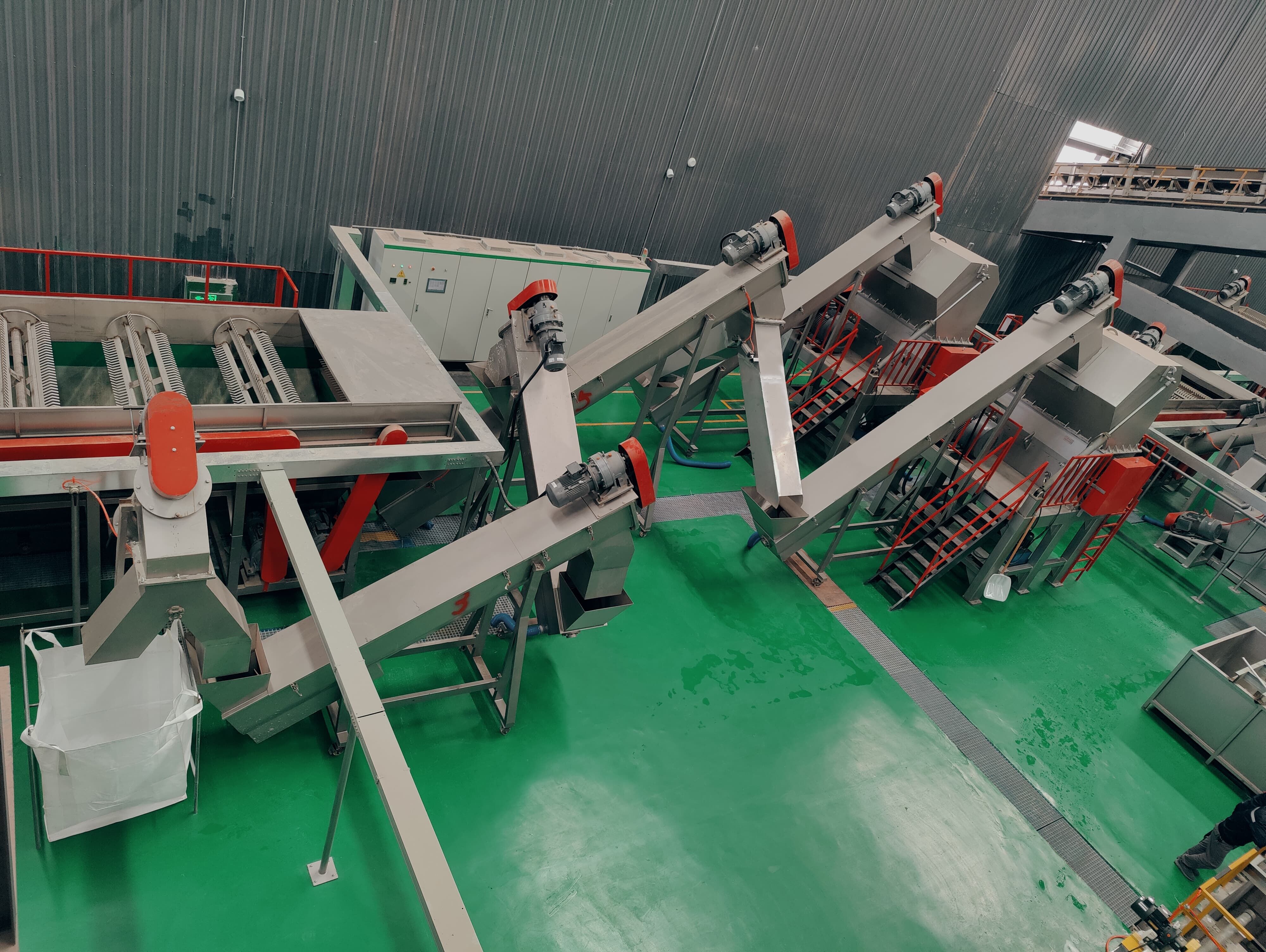
Precision Engineering: Attaining Exacting Standards in Non-Standard Pipe Dimensions
Specialty plastic pipes need precise engineering for each dimensional accuracy. Standard extrusion techniques usually don’t work for asymmetric profiles or complex designs. Controlled flow of material during extrusion is critical for meeting tight tolerances in the range of ±0.15 mm.
Custom die design for control of die swell and for ±0.15 mm tolerance constancy across asymmetric profiles
Die swell refers to the expansion of molten plastic after leaving the die, which leads to uncontrollable size variations of the plastic parts designed to fit together. To mitigate diese features, custom dies are engineered with particular design features, such as specific lengths of the die’s straights, engineered flow control channels, and design gaps that consider varied shrinkage behaviors of the plastic. For non-round shapes, such as oval pipes, especially in medical devices where volume control is critical, ±0.15 mm accuracy is achieved through multiple iterations. This also applies to other electrical devices where components need to be neatly stacked and aligned without gaps.
CFD-driven optimization of die geometry for complex cross-sections in specialty plastic pipe extrusion
Manufacturers can leverage Computational Fluid Dynamics (CFD) simulation to gain insights into how polymers will interact with dies prior to constructing them. CFD simulations identify potential issues in complex multimodal shapes, rib structures, and helical flow patterns. Simulation models will allow engineers to focus on optimizing shear rate, residence time, and pressure gradient distribution. Optimizing these parameters is required to mitigate and ultimately eliminate melt fracture problems, thermal degradation, and unacceptable variations in product wall thickness. CFD-driven optimization has decreased industrial testing by 67%, resulting in accurate first run production of time-sensitive and costly components, such as aerospace fuel lines and optical fiber housings, which require micrometer tolerances.
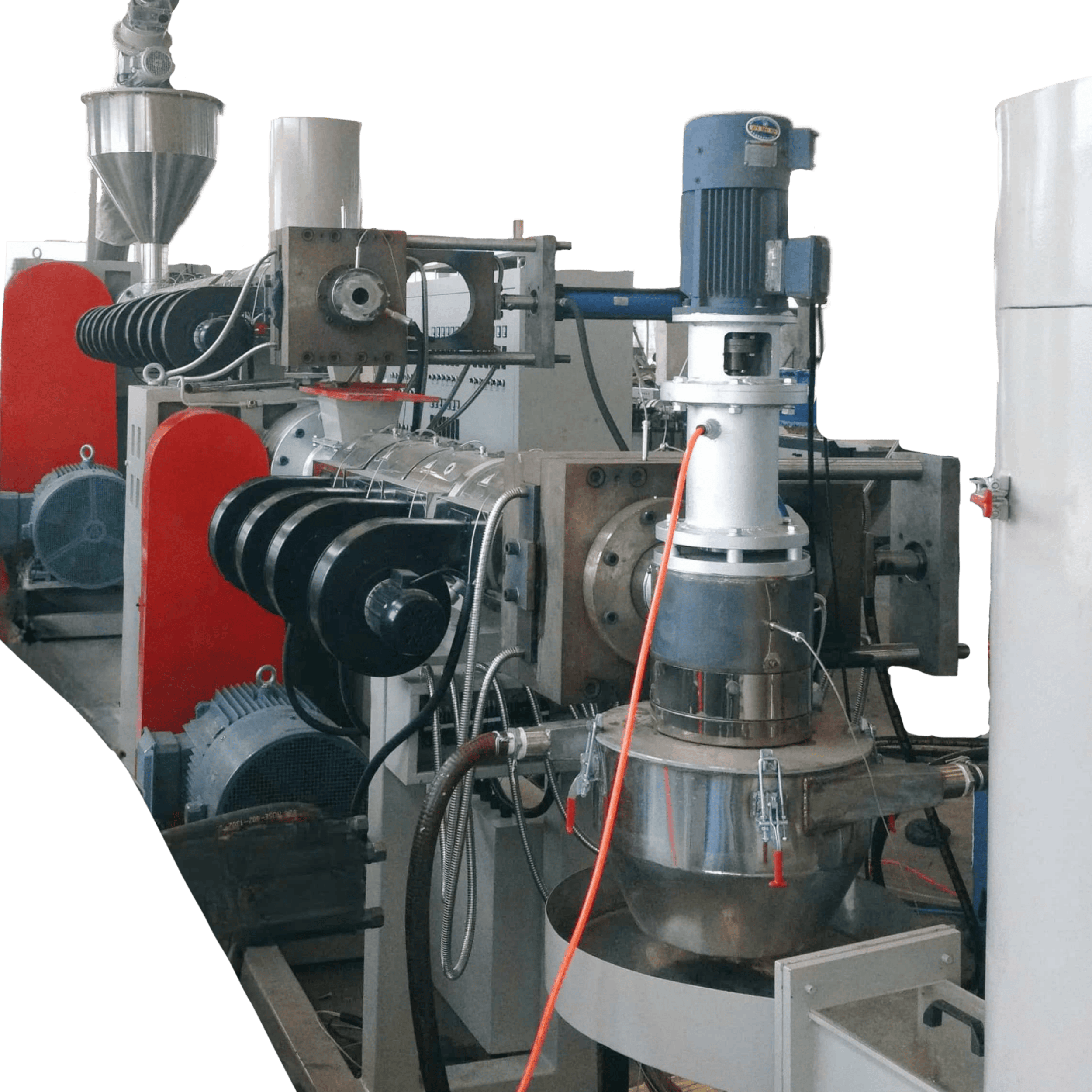
Material and Geometry Flexibility: Supporting Complex Profiles Beyond Round Pipes
Standard pipe extrusion machinery can only produce simple shapes like single-walled round pipes. However, with custom-designed machinery, complex multiple profiles can be extruded in a single process. Examples include multi-lumen tubes used in medical devices; corrugated pipes for drainage; tapered tubes for irrigation; and, more recently, co-extrusions for tubes with anti-chemical or anti-moisture barriers. All of this can be done in a single production line without additional steps, which reduces work and tooling costs. A study from last year in the field of polymer processing showed a 40 % reduction in tooling costs, which is not surprising when considering the time and costs wasted by traditional methods.
When it comes to single pipe extrusion machines, it is possible to extrude multi-lumen, corrugated, tapered, and co-extruded profiles.
The modular die system and smart servo driven haul-offs provide the ability to easily switch between different profile types. For real-time control of wall thickness for asymmetric profiles such as D-profile ducting within a tolerance of ±0.2 mm, laser gauging is utilized. The table below outlines the differences between extrusion customization and standard extrusion for the same profile.
Profile Type|Standard Machine|Customized Machine
Multi-lumen|Up to 2 channels|8+ channels are possible
Corrugation depth|Constant|Variable during a run
Taper tolerance|±3%|±0.8%
Co-extrusion layers|2 available|5+ with bonded interlayers
Customized screws and barrels for processors based on polymer rheology to ensure steady output of specialty plastic pipes
Well designed barrier screws with the correct compression ratios prevent the breakdown of polymer materials when extruding sensitive ones such as PVDF. For the tough stuff, UHMWPE, special grooves in the feed zone provide a production stability increase of around 27% and help decrease production fluctuations. With the right screw design, processors can extrude specialty plastic pipes reliably across a wide range of melt flow indices (MFI) from 0.5 to 35 gm/10 min while maintaining close tolerances on pipe dimensions and consistent surface quality.
Geometric adaptability and material-specific engineering allow a single pipe extrusion machine to be transformed into a multi-profile platform, reducing changeover time by 60% compared to traditional setups.
Operational Efficiency: Waste Decrease and Yield Increase in the Production of Special Pipes Minimizing and Managing Case Study: Scrap Minimization of 8.2% to 1.7% in the Lines of HDPE Conduits through Tailored Pipe Extrusion Machine Arrangements.
The pip extrusion machine constructed for a specific purpose can enhance efficiency when eliminating wasted resources during intricate profiles. Custom arrangements are said to have resulted in an 8.2% to 1.7% reduction in the production of HDPE conduits. A drop in scrap from 8.2% to 1.7% is an almost 80% improvement. There are many ways to aid this process. For one example, customized screw designs enhance the efficiency of melt flow. Moreover, Automated Smart Calibration (ASC) has the ability to automatically resolve dimensional issues as they occur. In addition, there is a quick-change die that can decrease the transition waste by almost 50%. Also, there are real-time viscosity sensors that can provide an early signal of a process-misstep to protect the virgin material from sabotaging the process. In cases involving the production of unusual profiles, a 1% decrease in scrap can result in savings of approximately $18,000 for each operating line of production (or production line) of resin. Savings in scrap, improved precision, higher production (output) rates, and the ability to meet all of the required structural strength standards are all directly correlated to one another.
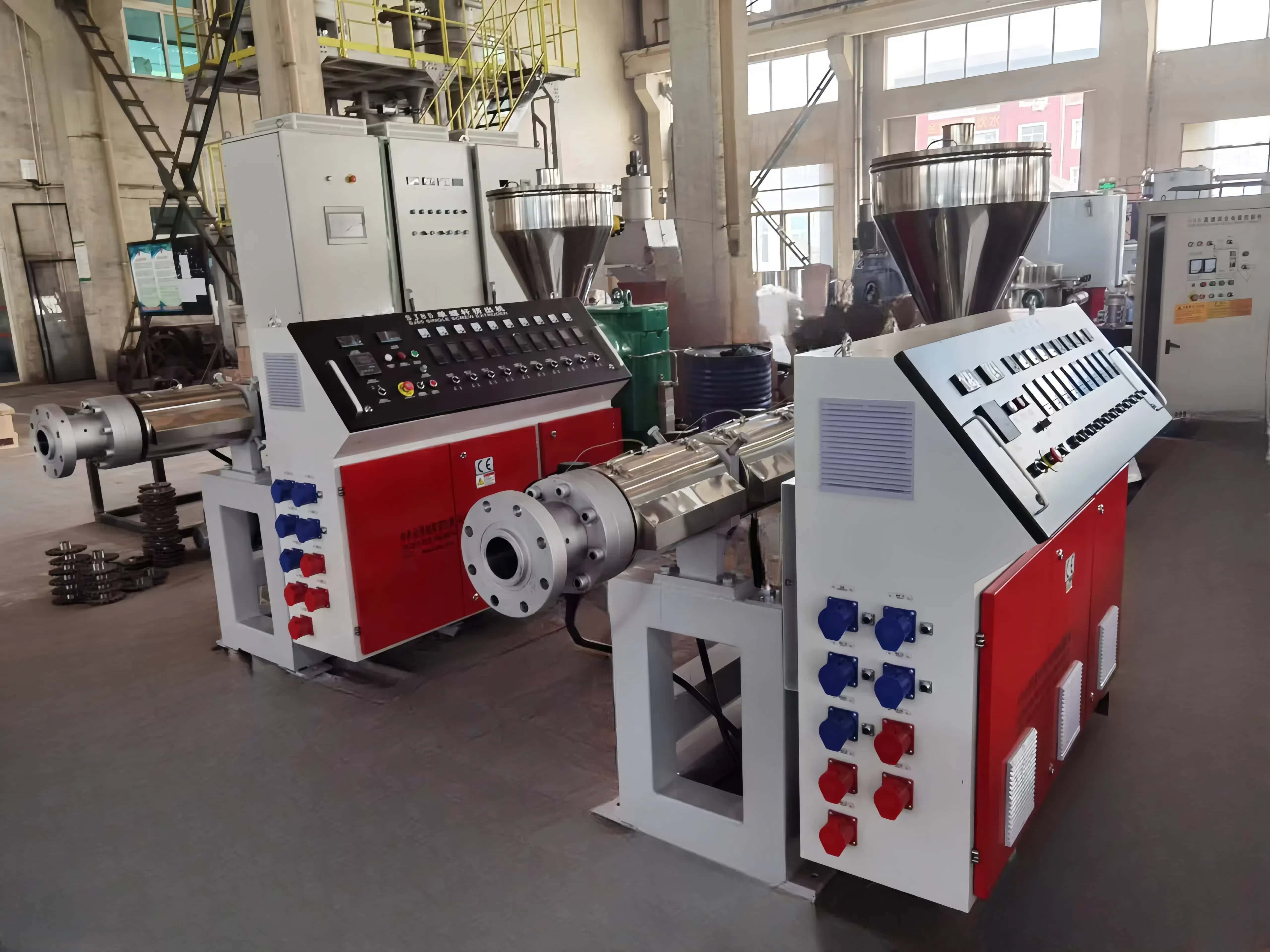
Scalable OEM Partnerships: Moving from Prototype to High-Volume Customized Pipe Production
In order to take their innovations to market, specialty plastic pipe manufacturers require adaptable solutions. Transitioning from prototype testing to mass production with original equipment manufacturers (OEM) partnerships can be done in an economical way that eliminates the need for investing in new OEM pipe extrusion systems for each stage. Modular design for component-based systems allows customizable production expansion through system adjustments, upgrades in components, and the addition of multi-axis haul-off processing units. Modular component systems are especially useful for niche products such as geothermal insulation tubing and medical grade multi-lumen tubing. Production for these products often starts with test runs of about 500 meters and can quickly transition to runs of up to 50 kilometers. Manufacturers are able to control their expenses for production capacity expansion and achieve tight tolerances of +/- 0.005 mm and maintain consistency of materials across varying batch sizes.
Consequently, specialized products can be brought to market more quickly, and manufacturers can address changing demands of the industry about 40% faster than manufacturers who use older retrofitting methods.
FAQ
What do tight tolerances mean in pipe extrusion?
In pipe extrusion, tight tolerances refer to the control of dimensions within a very small range—usually ±0.15 mm. This is crucial for the pipes to be fit for purpose.
How does CFD assist in improving the design of dies?
By using Computational Fluid Dynamics (CFD) to model the flow of polymer through the die, manufacturers can resolve problems with the shape of the pipe in a model before manufacturing, saving time and money on repeated processes, and improving the chances the die will work correctly the first time.
Why must dies be custom made for specialty pipes?
Custom dies are necessary to control die swell and maintain tight tolerances on asymmetric profiles which is particularly important for profiles that must fit together and be free from leaks.
In what way do specialized machines improve the efficiency of the production process?
By enabling the efficient production of different profiles in a single run, minimizing waste, and consolidating the need for various tooling to process complex profiles, customized machines for pipe extrusion greatly improve the efficiency of the production process.
What role do OEM partnerships play in pipe manufacturing?
With the OEM partnerships, streamlined and scalable solutions are possible, making the seamless move from prototype testing to mass production possible, supporting modular revisions, and quick and easy changes in response to the market, all while securing the provision of tailored products with the exact required delivery time.
Table of Contents
- Precision Engineering: Attaining Exacting Standards in Non-Standard Pipe Dimensions
- Material and Geometry Flexibility: Supporting Complex Profiles Beyond Round Pipes
- Co-extrusion layers|2 available|5+ with bonded interlayers
- Scalable OEM Partnerships: Moving from Prototype to High-Volume Customized Pipe Production
- FAQ