EN
EN
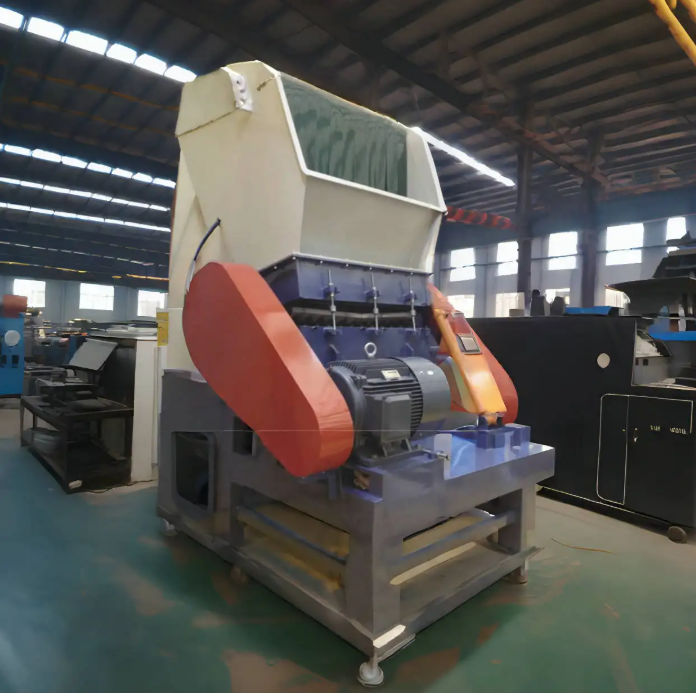
Managing the supply chain for raw materials is the starting point for quality assurance for plastic sheet products. Poor quality raw materials, including resin that is inconsistent with the anticipated specifications, or resin contaminated with foreign materials, can limit the dimensional performance and the mechanical performance during the sheet production process.
Mechanical performance, dimensional stability, and performance of the final product for the selected resin depends on the specific resin selected for the application. Polycarbonate may provide the best performance for applications requiring high impact resistance. Polyethylene, on the other hand, may provide the best performance for application that may require flexibility. Moisture content within the resin must also be controlled for optimum practical performance of the finished product. Steam bubbles form and disrupt the extrusion process, and results in excessive warpage and non-uniform thickness of the finished sheets. This is primarily attributable to excessive moisture (greater than 0.02%) in the resin. This is the reason for the application or management of a desiccant drying process during the production of the finished plastic sheet product. When this process is controlled or applied, the overall sheet stock resulting from the extrusion process will shrink at a rate of less than 0.5%. This is the reason for the control of the drying process from the beginning to the end of the process.
Inspection Standards for the Prevention of Raw Material Thermal Degradation or Contaminants
With thorough inspection procedures, production line problems are reduced. The principle tests performed include melt flow index or MFI testing to ensure materials have compliant levels of viscosity, thermogravimetric analysis (TGA) to assess thermal degradation of the materials, and spectroscopy analysis to check for unwanted metals and organics. These quality checks prevent the materials from thermally degrading during the manufacturing process and from developing undesirable surface marks. Manufacturing suppliers are required to submit a Certificate of Analysis (COA), and all contract specifications must be compliant before the manufacturer's raw materials are accepted, as the majority of manufacturers will outright reject non-compliant materials.
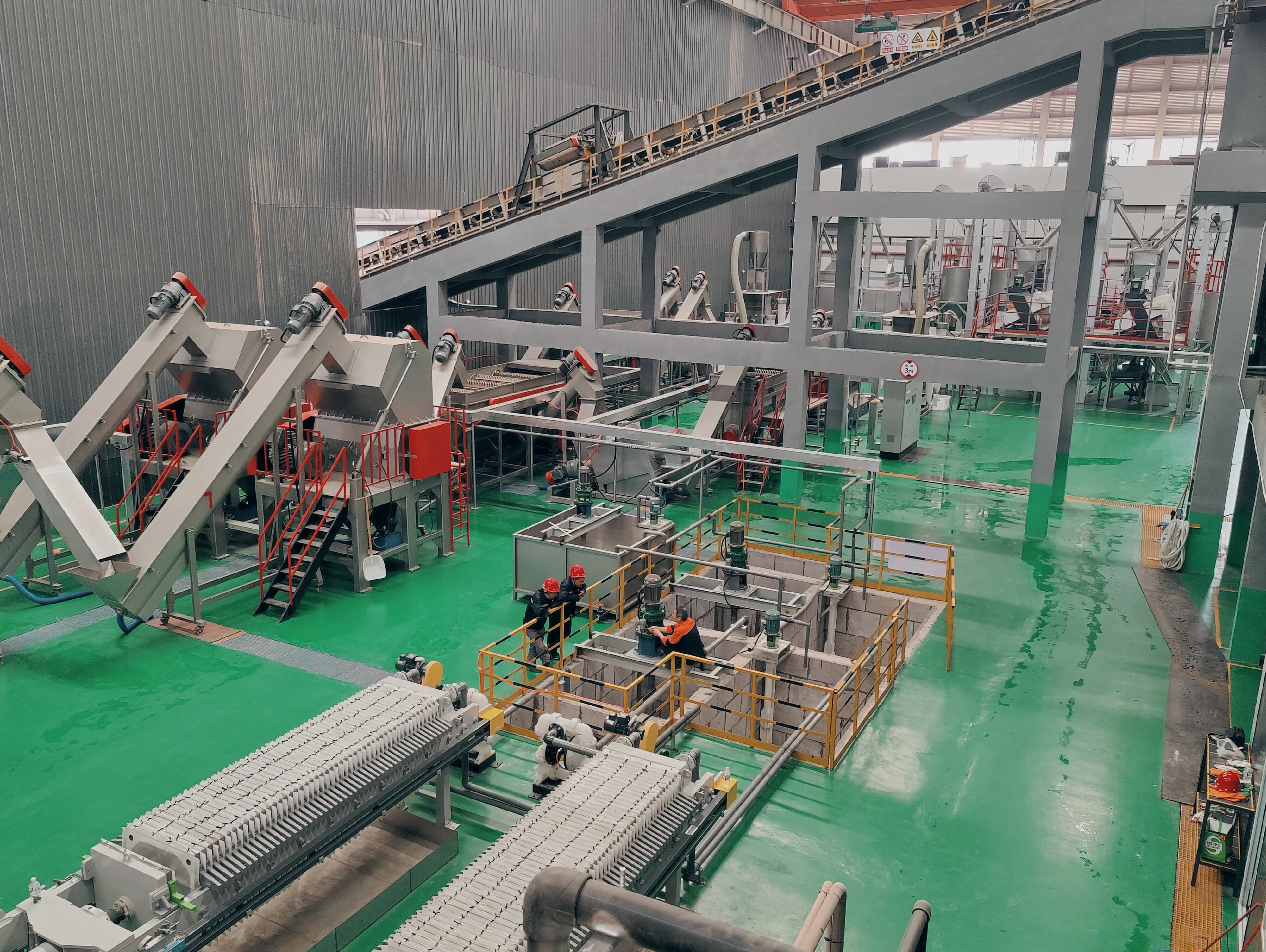
Precision Control of Key Process Parameters
Effects of Extrusion Temperature, Die Gap, and Melt Pressure on Thickness Consistency and Surface Quality
Maintaining consistent extrusion temperatures within two degrees (±2°C) is critical, as excessive thermal degradation of the polymer results in poor melt stream viscoelasticity, thereby leading to poor uniformity in the final extrudate thickness. Irregular and inconsistent surface defects are apparent when thermal degradation occurs. Insufficient temperature conditions result in poor melt stream flow orthogonally to the die, and insufficient polymer flow results in non-uniform distribution of material across the extrusion die, and these conditions lead to inconsistent outcomes. The extruder die gap is also critical to the uniformity of output dimensions of the sheet. Thickness uniformity of the sheet is sensitive to die gap; and a gap variance greater than 0.1 mm will result in thickness uniformity defects. Melt pressure also significantly affects uniformity of thickness. The melt pressure range of 15 to 25 MPa is required to achieve uniformity of polymer distribution, thereby eliminating the formation of gas bubbles. Surface defects are produced at a 30% greater rate when melt pressure fluctuates greater than 5% within the 15 to 25 MPa; thus, the data supports tight process control on these operational parameters.
Controlling the Cooling Process for Targeted Strength
With careful planning, the process of cooling the material can be tailored to develop strong products. Crystal stresses, the principals of cooling, can be avoided when the cooling process is controlled to achieve surface temperature reductions of 3-5˚C/s. Cooling rate imbalances due to the system's airflow distribution can cause the material to warp. The quenching time is also a factor. Based on manufacturing experiences, optimal material cooling leads to voids from polymer crystallization when materials are not quenched for 8 to 12 seconds. Continuous airflow across the cooling surface also has a significant positive impact. Research shows this approach is superior to random cooling by 40\% for residual stress minimization. The result is enhanced shape retention of products when subjected to environmental fluctuations.
Integration of Real-Time Monitoring and Statistical Process Control (SPC)
Feedback Loops for Traction Speed, Line Positioning, and Thickness for Defect Prevention on the Plastic Sheet Production Line
Setting the proper traction speed ensures an uninterrupted flow of materials through the system. Additionally, laser guides maintain proper alignment for consistent dimensioning across the entire production line. Thickness measuring devices stream live data to SPCs, which adjust the die openings within a +/- 0.05 mm range. This allows early capture of operational issues, which eliminates batches of defective sheets from accumulating at the production line end.
Statistical Process Control has been shown to reduce extrusion defects by approximately 30% when three key factors are assessed in real time. One example is traction synchronization that assists in resolution when roller speeds are unaligned. Another is thermal expansion coefficients which are able to shift alignment configurations automatically. The last is melt flow which is used to determine viscosity through pressure sensing in order to adjust screw rotations. Control chart data determines the action to be taken in the future. Most annoying polycarbonate sheet defects in production are eliminated when traction speeds are kept within +/- 2% of the target. Dette is approximately 87% of the defect surface flaying.
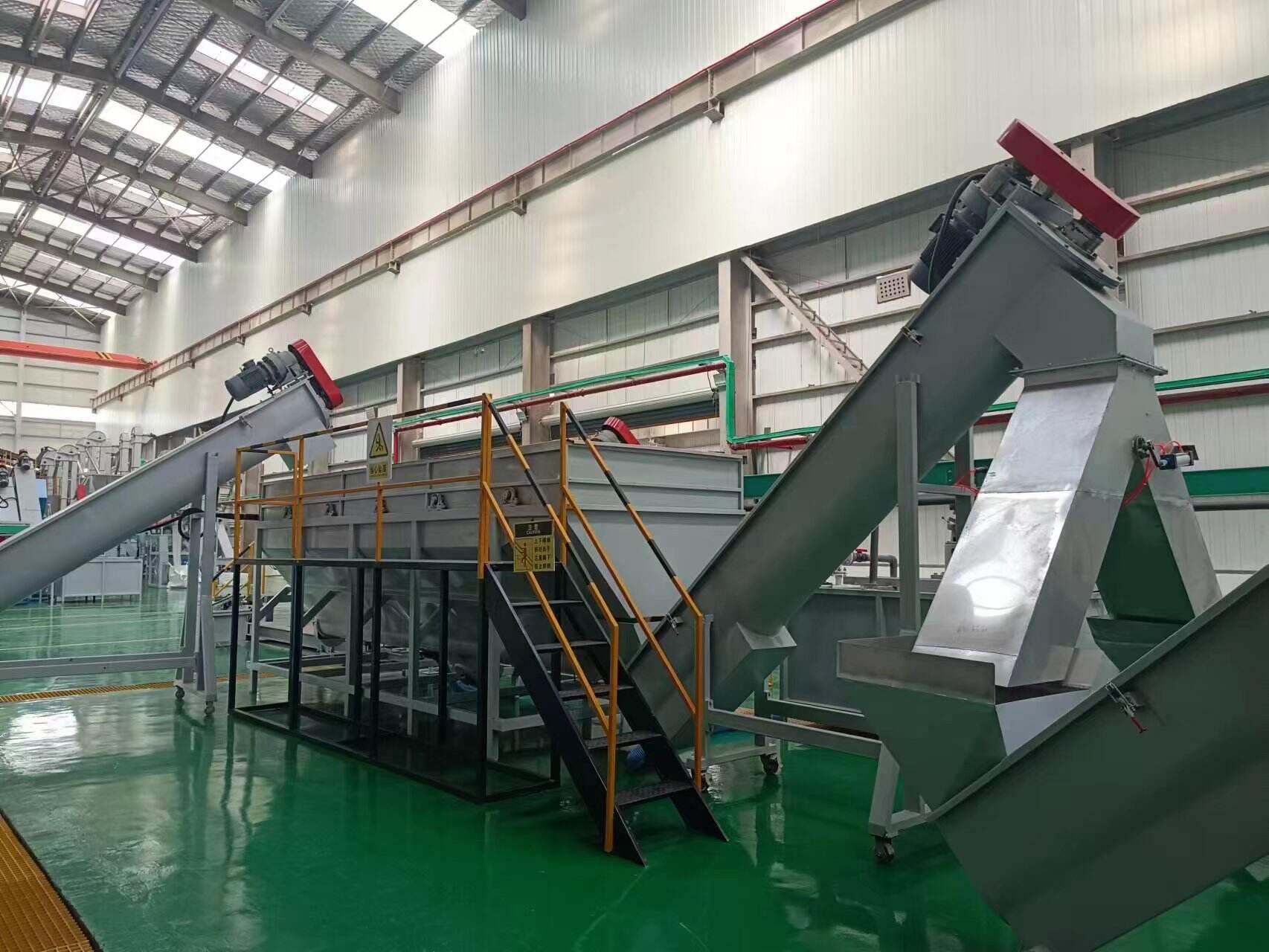
Environmental Management and Post-Production Verification
Impact of Ambient Humidity, Temperature Changes, and Cleanroom Compliance Regarding Visual Defects and Odor
Environmental control is one of the aspects focused on to achieve uniformity in the quality of products in the same cluster. When environmental humidity exceeds 50%, cloudiness occurs in nylon and PETG materials, and layers become delaminated. In the cooling phase, if there is a temperature fluctuation of 3 degrees Celsius, the components cool at different speeds, resulting in warping and visual defects. When odors are a critical factor, such as in food packaging, the difference is made by using HEPA filters in ISO 14644 certified cleanrooms. These filters inhibit the adhesion of odor and particulate contaminants to plastic. Dust control and microbial checks are a regulatory requirement to avoid odor complaints. A 34% reduction in surface defects when humidity is controlled is statistically significant when using polypropylene sheets.
Manufacturers who adhere to cleanroom protocols receive about 28% fewer complaints about odors than manufacturers who do not have cleanroom protocols in place.
FAQ
What effect does moisture content have on plastic sheets?
If moisture content in resins exceed 0.02%, this may result in steam bubbles during extrusion, causing warping of the product and inconsistent thickness of the sheets.
What is the importance of the rate of cooling in the production of plastic sheets?
A slow rate of cooling avoids the formation of crystal stresses, thereby reducing warping and distortion of the product in different environmental conditions.
In what way does SPC assist in the reduction of production line defects?
SPC makes control of certain variables such as traction speed and alignment of the production line to control and maintain the level of defects such as surface defects and thickness variations.
What is the significance of maintaining cleanroom conditions in manufacturing plastic products?
The cleanroom conditions help prevent the formation of visible defects and odors by removing and filtering the particles and contaminants that can adhere to the surface of the plastic.