EN
EN
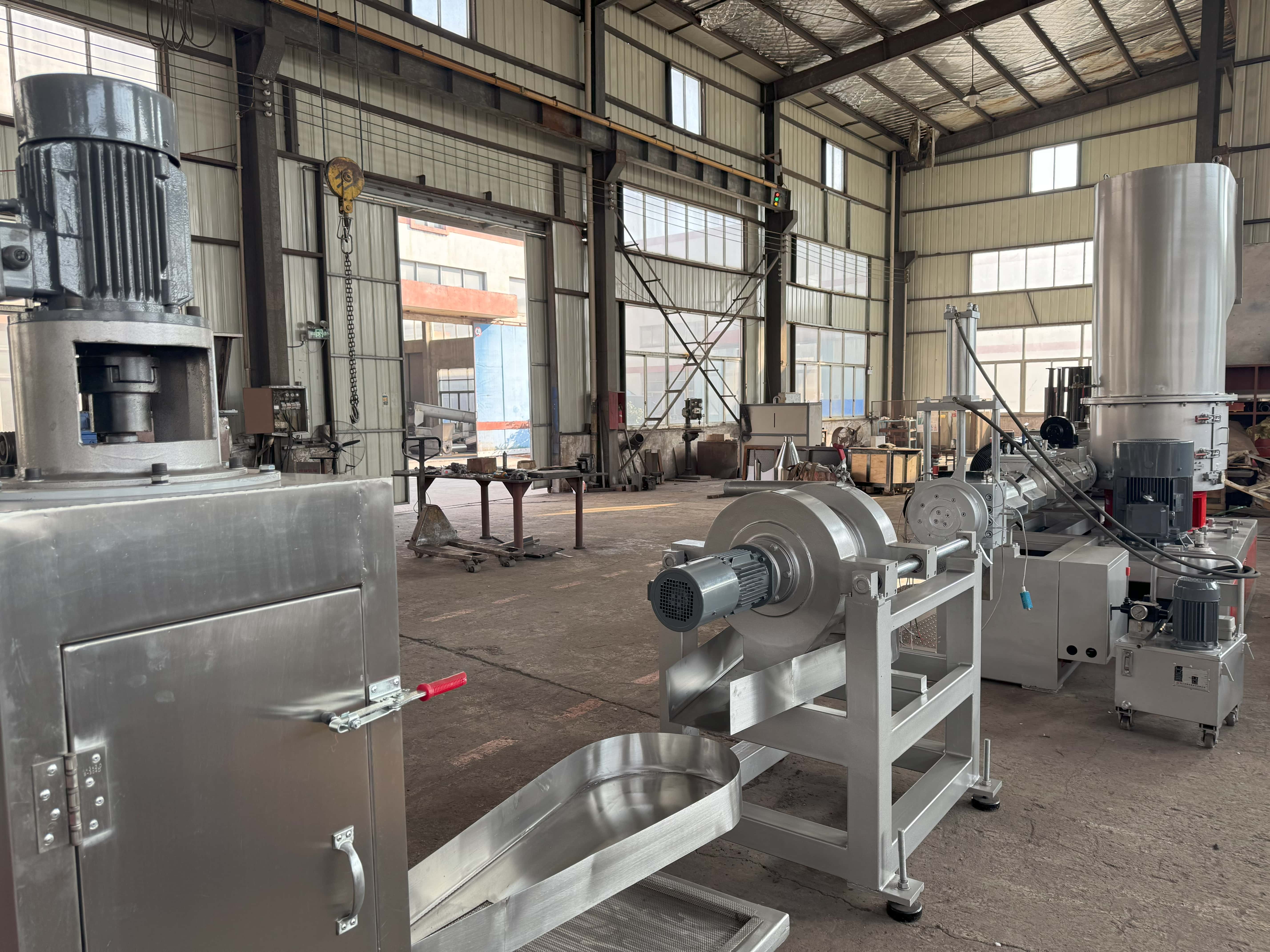
Precision heating ensures consistent melt and cut of the PVC.
Stable Melt Temperature for Consistent PVC Rheology and Melt Flow
Melt temperatures must be consistent and lie within the range of 160-220 °C for optimal PVC rheology. When the melt temperature is below 160 °C, the PVC will not fully fuse and will result in weak/hollow pellets. Conversely, maintaining a melt temperature above 220 °C causes thermal degradation resulting in the evolution of HCl, causing the PVC to turn yellow. Automated PID temperature controllers for die heads keep the temperature within a 2 °C range of the set-point. This results in viscosity and flow consistency, preventing the degradation of the cut pellet geometry.
Die Plate Temperature and Thermal Flow Equilibration
The use of multi-zone heating controllers eliminates the hot and cold spots (dies) that have been a longstanding nuisance that undercut many processes. When an operational temperature difference of over 5 °C exists between any two die orifices, the flow of the PVC is disrupted, resulting in uneven strands and other flow issues which impair the quality of the pellets produced. Proper placement of thermocouples throughout the die assembly (heating zones) allows for real-time adjustments of the heating elements, which is critical for maintaining consistent strand diameter. This is vital to the quality and consistency of the pellets produced.
Optimizing Parameters in Hot Die Face Granulating Systems for PVC Quench Water
Quench water needs to solidify PVC strands quickly and walk the line of thermal shock. Important parameters are:
Temp 10–25 °C to ensure surface stress and cooling speed
Flow Rate Turbulent flows break the vapor cloud barrier around the strands
Contact Time Weir adjustments can regulate the time of submersion
Inadequate cooling can lead to deformation of the pellets and too much cooling can cause brittleness. Proper calibration can decrease the generation of fines by 40% in heat sensitive PVC formulations.
Mechanical Alignment and Tooling Integrity in PVC Hot Die Face Granulating
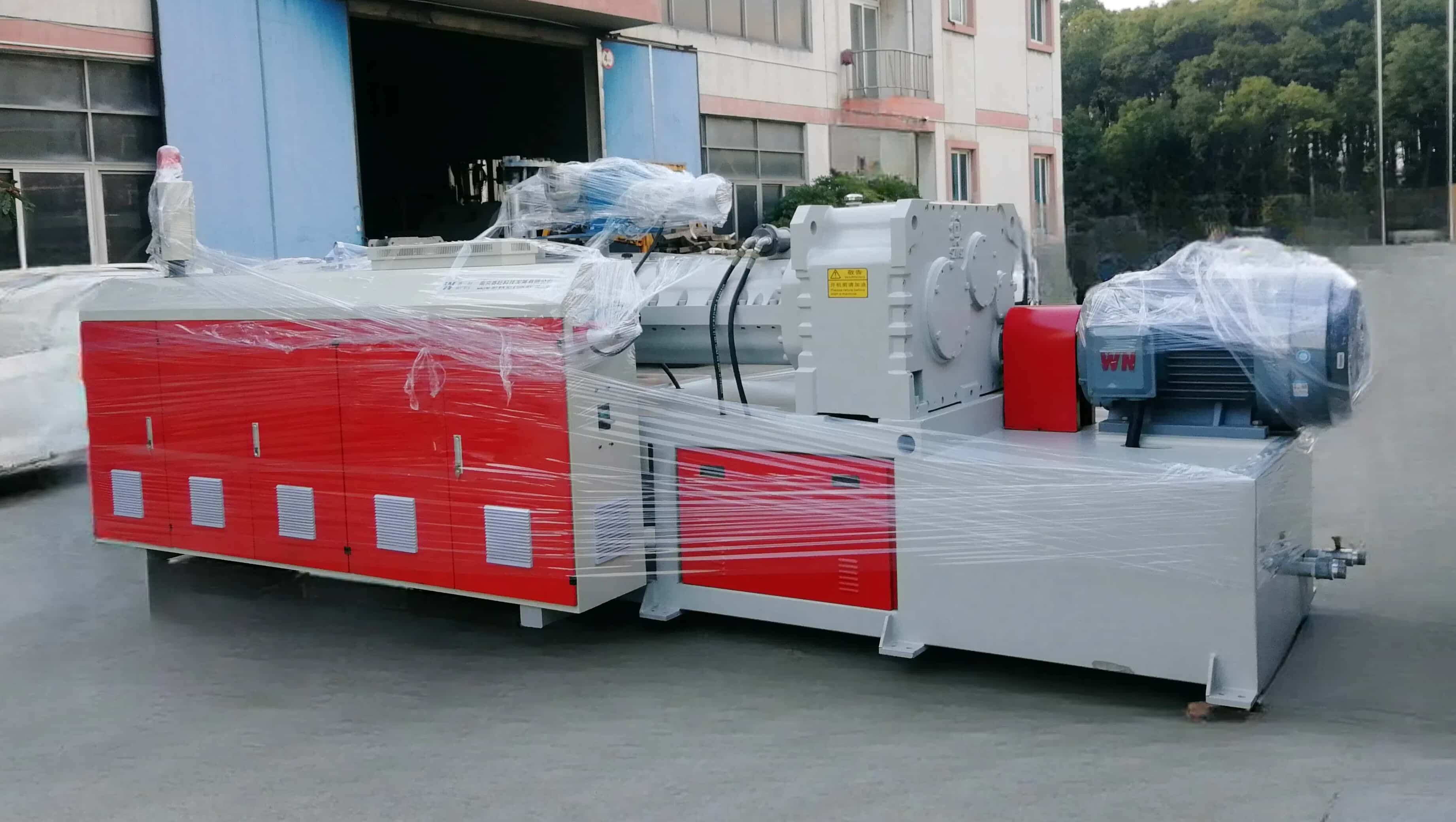
The Importance of Knife-to-Die Gap Tolerance in Achieving Length Consistency of Pellets
The small space between the cutting knives and the die face determines the uniformity of length of the resulting pellets. If this space is greater than 0.1 mm, the cutting knives will strike the die face at different times which will cause various surface defects. Conversely, if the gap is too small, excessive heat and friction will build up to levels that will melt the PVC. Therefore, precise adjustment of the blades is very critical. During operation, the blade alignment is checked and adjusted every hour by the operators using laser measuring devices to make the required adjustments. Meticulously calibrated machines, in the hands of skilled operators, can reduce the length variation by up to 66% compared to machines that are inadequately calibrated.
Mitigating Fine Particle Creation and the Blade Synchronization and Condition of PVC
The creation of fine particulate matter during processing that gets out of control can be exacerbated by blades that are not properly conditioned, synchronized, or both. A blade that is not sharp essentially creates more resistance to the cutting of the platic-like materials. More resistance can lead to the generation of heat of more than 190 degrees Celsius at the cutting surface. This heat causes the creation of tiny fractures at the molecular level during cutting. Some manufacturers are beginning to implement systems that can monitor the condition of blades and make real-time maintenance and blade changes. Field testing has shown that maintenance systems can reduce the creation of fine particulates by 57%. Another important consideration is the synchronization of blade tip speed with the rotor speed. Most OEM documents specify the synchronization limit to be within +/- 5 RPM. This control is important to reduce the severity of imbalanced shearing stresses that can lead to the disintegration of pellets during cutting.
Ensuring Uniformity of PVC Pellets through Material and Process Optimization
Moisture Content, Particle Distribution, and Homogeneity of PVC Compounds
Pellet quality is contingent on optimal preparation of the compound. A moisture content of 0.1% or more results in destructive steam pockets during extrusion. Particle size is equally important. Most operations target particle sizes between 95 and 150 microns. This facilitates even melting of the particles and promotes good flow during extrusion. The flow characteristics of the final product are thus improved. We conduct frequent additive analysis by spectroscopy. Inadequately distributed lubricant additives during extrusion processing can result in elevated temperatures. Research indicates this can increase shear heating from 15% to 22%. This increases the breakdown of materials and exacerbates processing issues.
Granulator Operational Tuning—Throughput, Pressure, and Die Face Residence Time
To optimize granulator settings, precise balance between materials passing, hydraulic pressure, and die face time is crucial. Once throughput exceeds 85% of capacity, melt fractures and unevenly sized pellets form. Pressure fluctuations within a 2-bar range disrupt flow from orifices. Most operators find that material residence time of 12 seconds on die face is ideal, as prolonged exposure increases temperature above 190 °C, compromising quality. When configuring the setup, cutter and extruder RPM synchronization is critical. A knife gap adjustment within the millimeter range is estimated to reduce fine particle counts by 40%. In long-term uninterrupted operation, pressure monitoring and feed rate adjustment allow for thermal stability alongside the pressure control system.
Frequently Asked Questions
What are the melt temperatures ranges for PVC processing?
The melt temperature ranges for PVC processing are 160 °C – 220 °C. This temperature range will result in the best processing without the risk of fusion or thermal degradation.
Why is it important to preheat the die plates to be uniformly heated?
Die-plate preheating to a uniform temperature is essential to eliminate or minimize thermal gradients that lead to poor flow characteristics.
What role does quench water have in PVC granulating systems?
The quench water stream helps solidify the strands without thermal shock and should ideally be in the range of 10–25 °C quench water. With appropriate flow and quench water contact time to minimize strand deformation and fines.
What does the knife to die gap have to do with pellet uniformity?
The knife to die gap should be set to 0.1 mm or less if uniformity in pellet length is desired. Larger gaps result in surface imperfections while smaller gaps produce excess heat.
What impact does blade condition have on processing PVC?
Sharp blades that are in synchronization and the correct angular position will result in less resistance and local temperature increases as the cuts are made more uniformly. This in turn cuts down on fines.