EN
EN
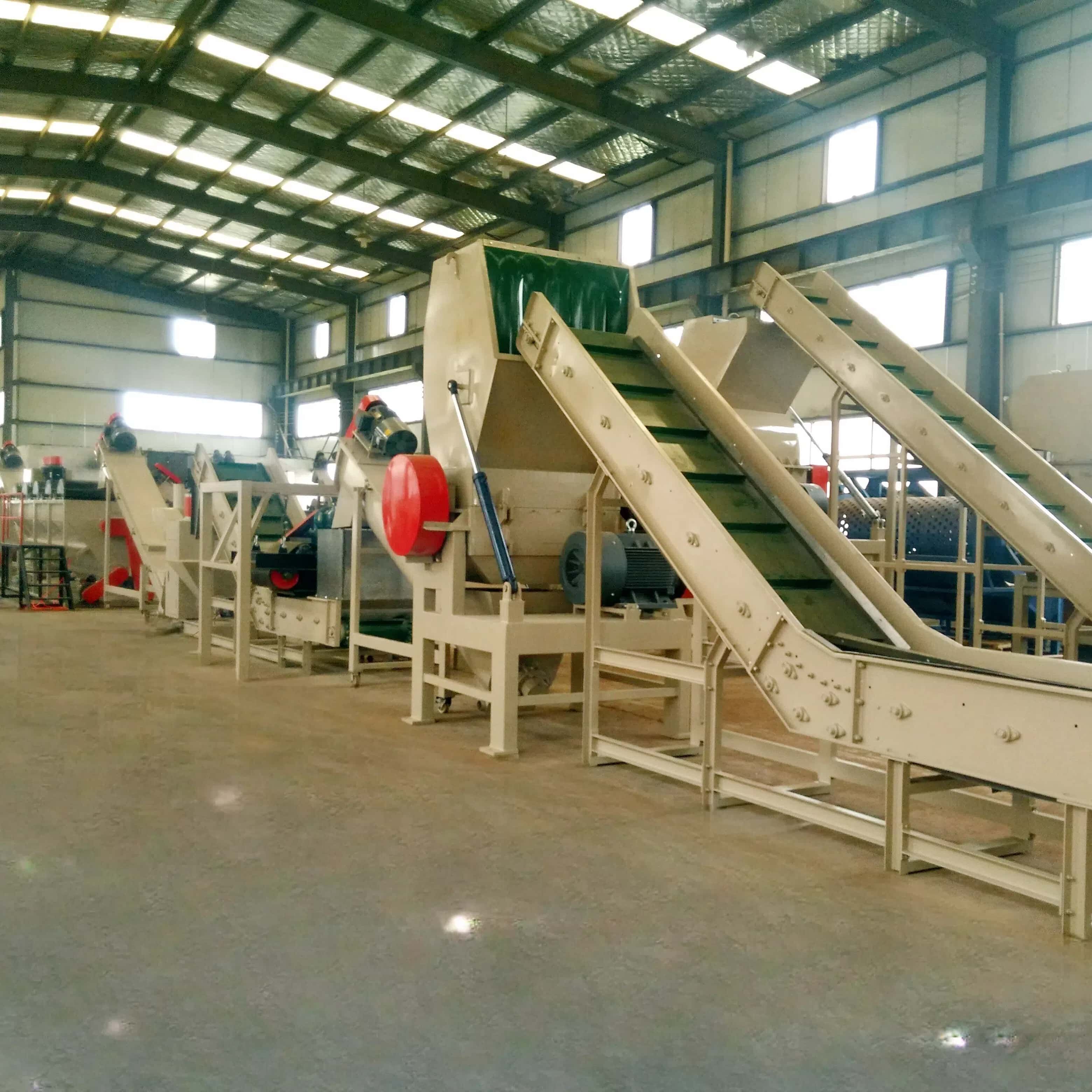
Energy Efficiency: Lower Operational Costs and Faster ROI
Energy savings are the primary cost reduction related to an improved pipe extrusion machine. With advanced energy optimization technology, the machine consumes less energy for the same throughput. This also reduces the frequency of maintenance and replacement cycles as the machine saves energy over its usable lifespan. The combination of reduced energy, reduced maintenance, and improved life of the machine reduces total operational costs. For most extrusion manufacturing companies, a machine upgrade pays off in 12–18 months. This makes operational and financial sense for extrusion companies to make this investment.
How Advanced Heating Systems Reduce Energy Consumption by Up to 25%
Enhanced heating systems of modern machines provide more consistent and stable heating of the material, resulting in reduced energy consumption. Traditional heating systems, that extrusion machines used in the past, heat the materials using a single PID zone. This is combined with good quality insulation materials. With PID controls, the machine can hold the melt throughout the extrusion process, allowing the zone to cool and minimize energy waste. The combination of improved PID controls and insulation systems allows the machines to avoid energy surges while holding stable melt temperatures that minimize the heat lost to the surrounding atmosphere. Per the Plastics Industry Association, these systems of modern pipe extrusion machines consume 25% less energy than machines of the past, all while producing the same quality of products.
Standard vs. High-Efficiency Pipe Extrusion Machine: A Comparative Energy Analysis
The difference in energy efficiency between standard and high-efficiency pipe extrusion machines is significant and measurable. Although both types of machines manufacture pipes that comply with either ASTM D2241 or ISO 4427 standards, efficiency profiles are markedly different.
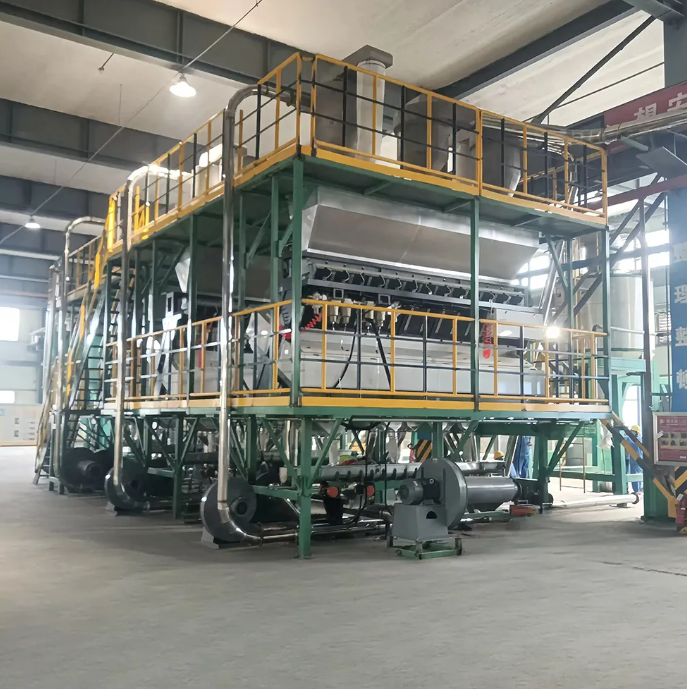
Performance Metric Standard Machine High-Efficiency Machine Improvement
Energy Consumption (kWh/kg) 0.85–1.1 0.65–0.75 ~25% lower
Average Throughput Base level 30–40% higher Significant
ROI Period 24–36 months 12–18 months 50% faster
The main reason for the change is the combination of high-efficiency features: modular ‘smart’ design with real-time demand-based motor control (VFD), heat recovery systems for cooling extrusion barrels and dies, and automated control that adjusts settings for different resin and pipe designs. The savings are greater than just the energy saved; it also reduces costly peak demand and increases flexibility in responding to utility company requests.
Improved Production Efficiency through Increased Speed and Higher Output
Control of the Extrusion Process has Improved by 30–40% Due to Servo Technology with No Compromise of Quality
The innovation of servo technology in extrusion brings the benefit of high precision, closed-loop control of motion and excellent speed, to replace hydraulic and other fixed speed controls. This allows extrusion line speed to be increased 30–40% while maintaining excellent control of dimensional accuracy and surface finish. Integrating servo technology reduces hydraulic systems common problems of flow and pressure spikes which contributes to defects in surface and wall thickness. Independent testing by TÜV Rheinland confirms the machines maintain a wall thickness tolerance of ±0.1 mm while running at maximum throughput which is required for HDPE and PVC pipes.
Consistent Quality at Scale - Confidence through Process Control
The closed-loop feedback systems deployed at the highest efficiency production facilities automatically adjust screws, heaters, and haul-off systems, based on real-time measurements of melt pressure, melt viscosity, and die swell for evenly distributed quality throughout the entire production volume. Manufacturers scaling output from 500 units to 2,000 units per hour, for example, reported retaining 99.2% of the tensile strength measurements (per ASTM D638) and hydrostatic pressure rating (per ASTM D1598) measured in the final product. This solidifies that increasing throughput does not negatively impact mechanical characteristics nor regulatory restrictions.
Precision Systems Save Material and Time
The true potential of digital process control has been realized in extrusion. Integrating systems-level digital process controls in pipe extrusion combines advanced sensors (e.g., gravimetric feeders, laser micrometers, inline rheometers) integrated with digital controls and advanced algorithms. This system optimizes production by rapidly adapting to changing operational dynamics and system constraints (e.g., melt temperature, wall thickness, and pressure) before reach the threshold of defect formation, and even over-extrusion. This results in a reduction of scrap up to 40% from manual extrusion systems and maintains wall thickness control to within 0.05 mm. SCADA integrated systems further mitigate scrap and planned downtime by analyzing data trends of production systems and predicting failures up to 72 hours in advance. Significant cost savings and up to a 35% reduction in downtime has been reported. Several systems incorporate automated on-line grinding and recycling to reduce the use of virgin resin by 8 to 12% without affecting the quality of the final product.
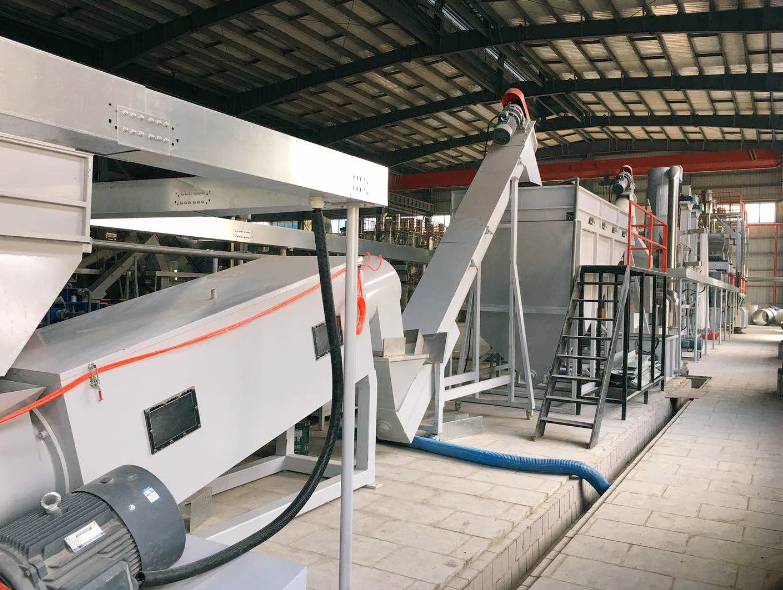
Benefits of Value Chain: From Raw Materials to Finished Pipes
A top-tier pipe extrusion machine changes the value proposition for every stage of the production journey. Efficient materials handling, from resin drying and feeding to extrusion, cooling, and coiling, removes intermediate storage and labor handling, reducing the risk of contamination. With maintained digital twins, raw materials are compared against finished pipe designs, allowing for real-time updates when swapping materials or grades. For instance, PE100 and PE100-RC resin changes happen by embedded viscosity sensors that note changes in rheology and self-adjust heaters and screws to maintain the extrusion gap, doing this all without the operator. As shown in the 2023 benchmark study in Plastics Technology, the end-to-end integration shows 15-20% reduction in scrap with a 30% order to shipment cycle improvement that directly relates to the overall improvement of working capital, inventory turnover, and fulfillment.
FAQs
What is the typical ROI for high-efficiency pipe extrusion machines?
After a 12 – 18 months period of production, customer reviews suggest lower costs and much lower energy use to operate the machines.
How do the modern extrusion systems achieve energy savings with novel heating designs?
The heating design controls power with zone and barrel control to minimize energy use while still providing the desired heating to the system.
What are the key differences between standard and high-efficiency pipe extrusion machines?
Standard machines have 12 – 18 months ROI, whereas High- efficiency machines have 12 – 18 month ROI, but use 25% less energy and have 30-40% more production rates.
How does a servo driven system control manage the production speed and extrusion quality?
A servo control uses insufficient power for zone control heating, therefore removing the heating problem of the extrusion system, but providing the desired quality and reducing the production speed by 30 – 40% as previously required.
Are high-efficiency machines good for reducing material waste?
Yes! Digital process controls prevent over-extrusion, reduce scrap rates by up to 40%, and enable inline recycling. This balances quality with a lower use of resin.