EN
EN
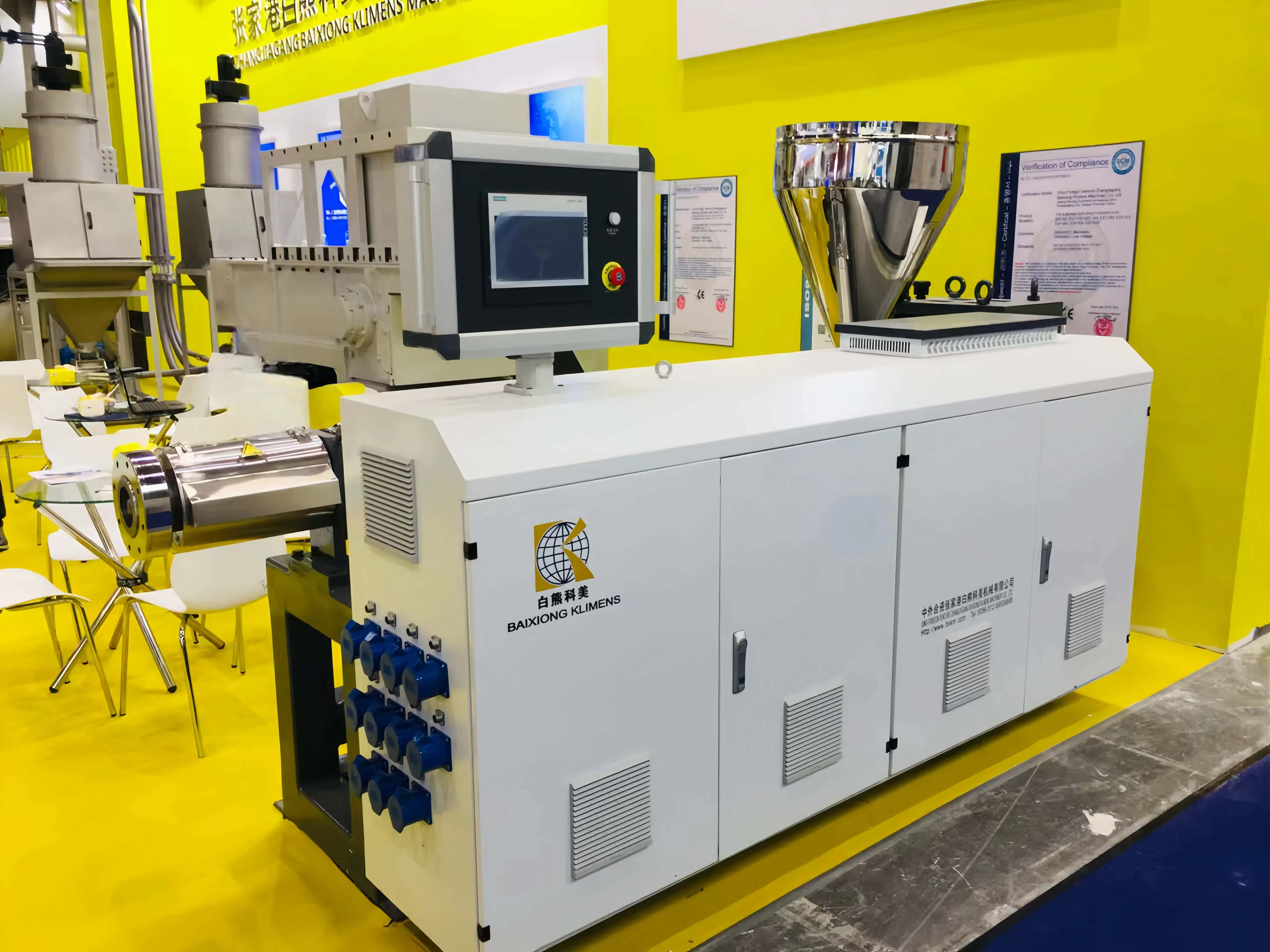
Application-Based Requirements for Highspeed Mixer Design
Why homogenizers do not work for color dispersion and plastic mixing
The universal designs of highspeed mixers for pigment dispersion and polymer compounding tend to have poor performance. For pigments, there is a need for localized shear to help deal with agglomerates. For plastic, there is a need to incorporate energy to avoid thermal degradation. In a 2023 survey, researchers noticed a 22% decrease in efficiency for pigment dispersion and a 17% increase in polymer scission when using standardized mixers. Each material has its own unique viscosity profile and additive behavior that require tailored hydrodynamic conditions, which cannot be replicated with a generic setup.
How material shear sensitivity and PSD Affect the Rotor
When working with low shear materials, such as silicone, there is a need to prevent damage to the molecular nature of the materials. Rotor stator designs should incorporate wide-gap stators with blunt teeth. In the case of nano-particle mixing, a stator that has micro-holes, but which create 50 – 100 μm shear regions, is appropriate. These relationships are known and include:
Shear sensitivity > 5Pa·s^-1 Increase stator clearance (+0.3–0.5 mm) Reduces degradation by 18-25%
Particle size < 20 μm high density micro-perforations improves dispersion yield by 30%
Viscosity shift > 200 cP Variable tooth angle (15°–45°) (Maintaining flow index within ±5%)
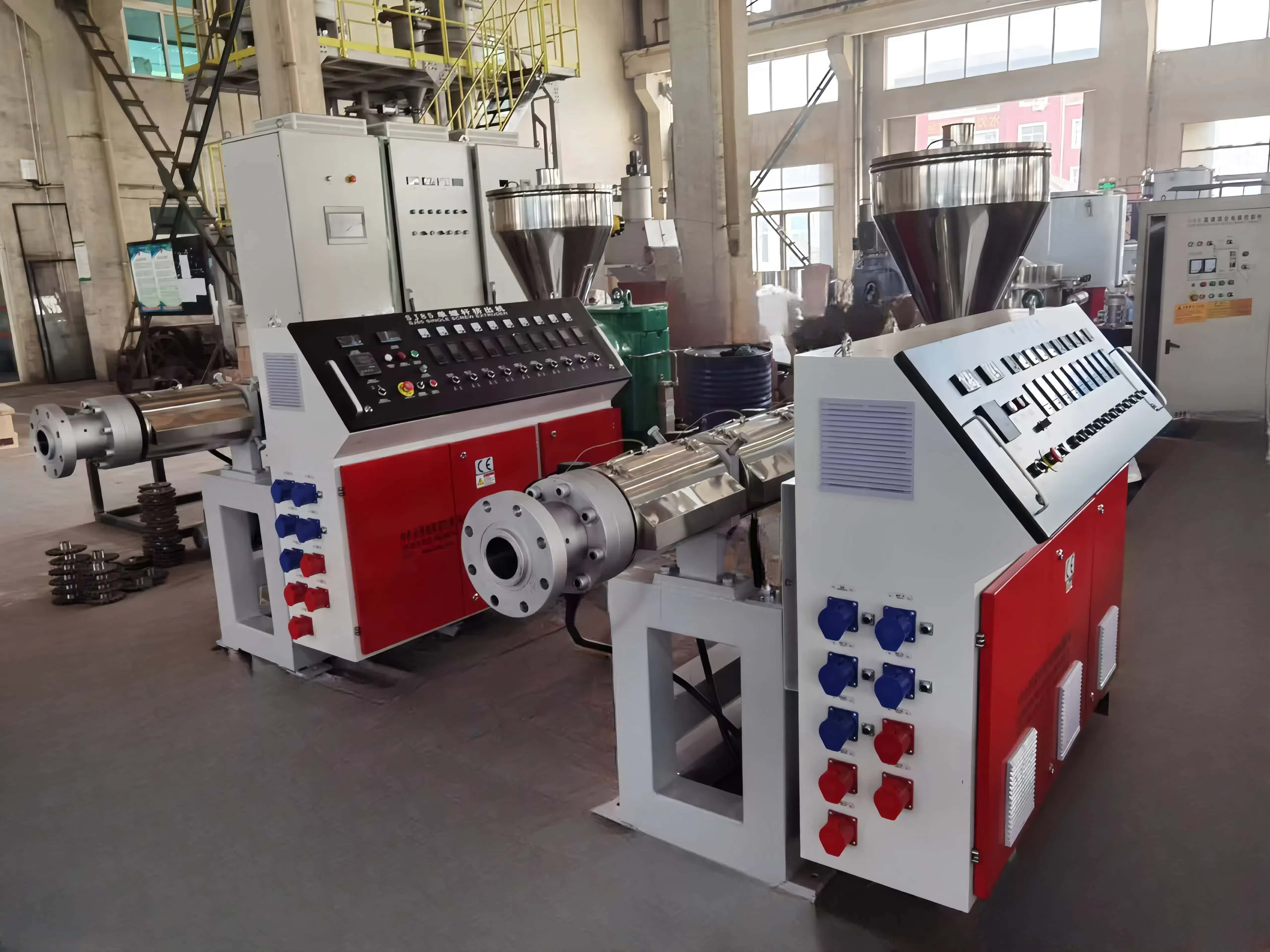
Multi-stage stators are necessary for broad distributions of particle size to prevent fines movement.
Case study: 37% improvement in uniformity of pigment dispersion through application-tuned stator geometry.
A specialty chemical producer implemented a triple-stage design (2 mm → 0.8 mm → 0.3 mm teeth) dispersing stators that replaced standard stators in the disbursement of titanium dioxide. The stator reduced the coefficient of variance (CoV) from 23% initial CoV to 14.5%, representing a 37% improvement in uniformity. The stator design went through progressive deagglotermediation without heating the batch beyond the 65°C temperature threshold. This design contributed to a 19% improvement in throughput.
Analyze Critical Engineering Constraints for Highspeed Mixer Operation
Viscosity variations exceeding 500 cP and effects on torque stability in highspeed mixer systems
Viscosity variations exceeding 500 cP result in critical torque instability in highspeed mixers. Non-Newtonian fluids exhibit increased and sudden drops in viscosity, causing torque to spike, on average, beyond 150% of the base line increase. The real-time viscometer, in conjunction with the closed-loop system for speed control, maintains the viscosity at ±5% and prevents cascading batch failures.
Use of scaling laws Np and Re and applying them to batch non-Newtonian mixing
Batch mixing requires adherence to dimensionless. The dimensionless power number, Np, is a measure of the transfer of energy needed to make mixing Successful. The scaling laws dictate that Np be required to be 2.3 in order to be uniformly distributed ensuring no dead zones exist in the mixing tanks > 500 L.
Direct-drive vs. gear-driven: 28% improvement at speeds above 6,000 rpm (ISO 13709).
Direct-drive systems circumvent gear losses, achieving 28% higher energy efficiency above 6,000 rpm when compared to gear-driven systems (ISO 13709). For mixing systems, this equals lower operating expenses. Also, this results in less downtime for maintenance and transmits less vibration. Gear-driven systems are preferred for systems below 3,000 rpm due to mechanical torque multiplication and efficiency.
Vector controlled inverters provide the ability to sweep at precision intervals from 10 to 9,600 rpm at ±0.5% intervals.
Vector controlled inverters can sweep the speed range of 10 to 9,600 rpm at precision intervals of ±0.5%. This can be used to adjust the shear rate to the desired levels depending on the exact phase of material being mixed. This system can easily adjust to varying viscosity levels of > 500 cP. This system has the ability to increase the quality of the mixed system. Specifically, mixing of polymer emulsions this control can decrease the batch rejection rate by 19%.
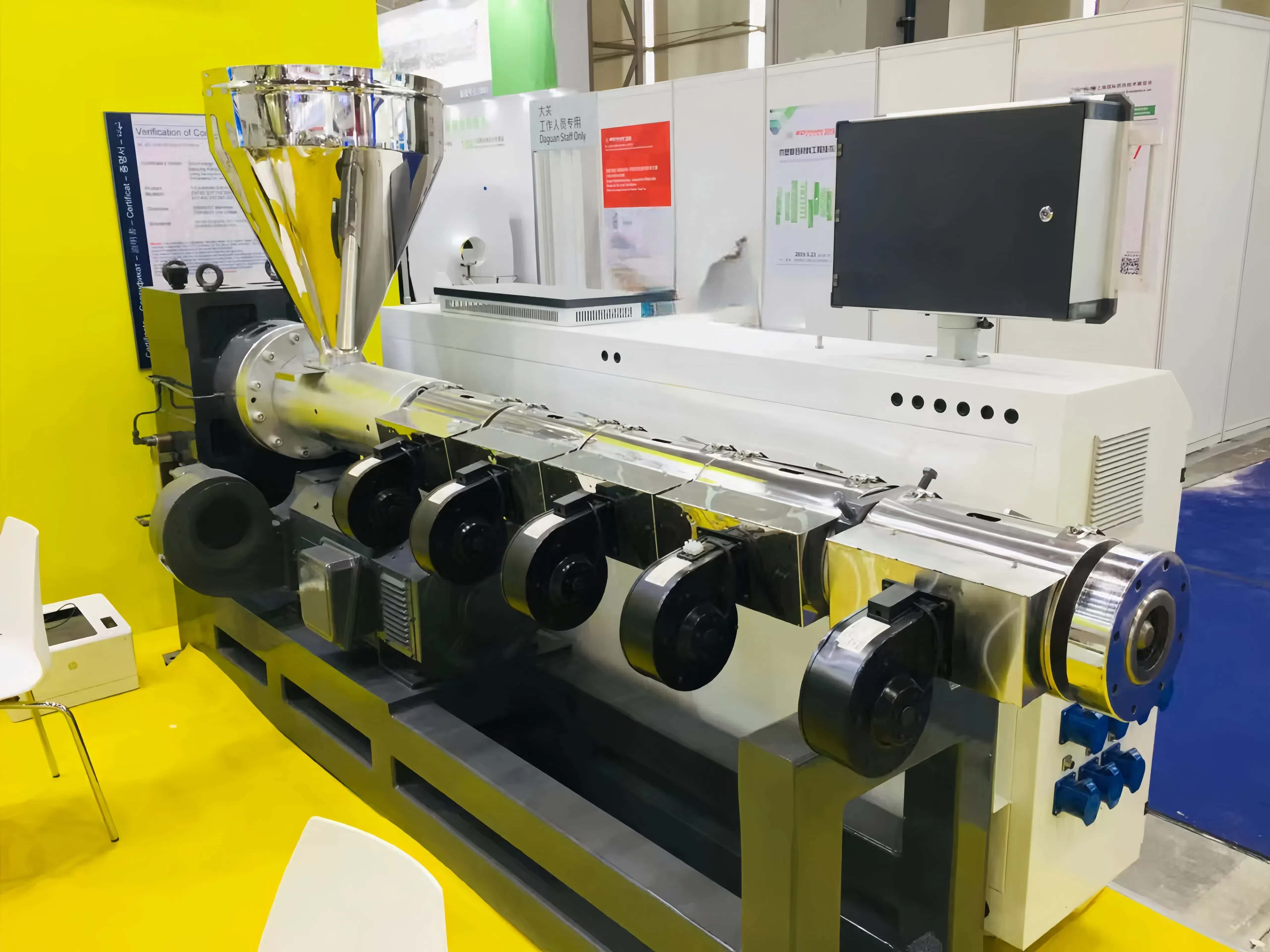
To provide controlled and uniform mixing of the highest quality, you must balance the demands regarding torque and the nature of the material. For energy efficient production, the correct drive must be employed.
Selecting the Best Highspeed Mixer for Scalable Production
Batch vs. inline vs. continuous
RTD (residence time distribution) analysis determines the uniformity of distribution of the residence times of the particles within a system during mixing. It also determines scalability, and even more so in the case of specialty chemicals and pharmaceuticals. Batch mixers are most appropriate for small and medium mixes where there is a frequent change in mixing recipes. Inline mixers are used for mid-scale operations where there is a uniform continuous flow with small (±2%) variations (RTD deviation). Continuous systems are most appropriate for large-scale operations where there is continuous mixing. Continuous systems also save up to 30% energy compared to batch systems regardless of the medium viscosity. When the viscosity is more than 10,000 cP, it is also more efficient. Continuous mixing systems and batch systems also provide a variety of ways to optimize mixing, depending on the requirements of the formulation. Analyzing RTD curves should reveal flow shortcuts or dead zones. The trade-offs should reveal narrow curves flexible in the batch range, widening the curves, should determine batch flexibility for the formulations, while thermal sensitive, or in chemically sensitive formulations.
FAQ
Q: What are the key design elements of the larger high speed provides?
A: Universal designs are successful in pigment dispersion settings because of the hydrodynamic nature of the environment but they are unable to provide the same in polymer compounding applications.
Q: How do material characteristics affect rotor-stator design?
A: In those cases the optimal rotor-stator design are determined by the shear sensitivity and the particle size distribution.
Q: What are the effects of viscosity variations on high speed mixing?
A: The variations of viscosity can lead to the rotation system of the high speed mix to torque instability, which can lead to a high stress in the system and shaft deformation and even lead to the motor to be overloaded.
Q: How do you pick between direct drive and gear drive systems?
A: Direct drive systems are preferred above 6,000 rpm because gear losses impact efficiency. Gear drive systems are preferred below 3,000 rpm for their torque multiplication.
Q: How does RTD analysis inform mixer design?
A: RTD analysis determines the degree of mixing and helps assess the scalability of the system, forming the basis on which the configuration of the system as a batch, inline, or continuous system is justified for the application.