EN
EN
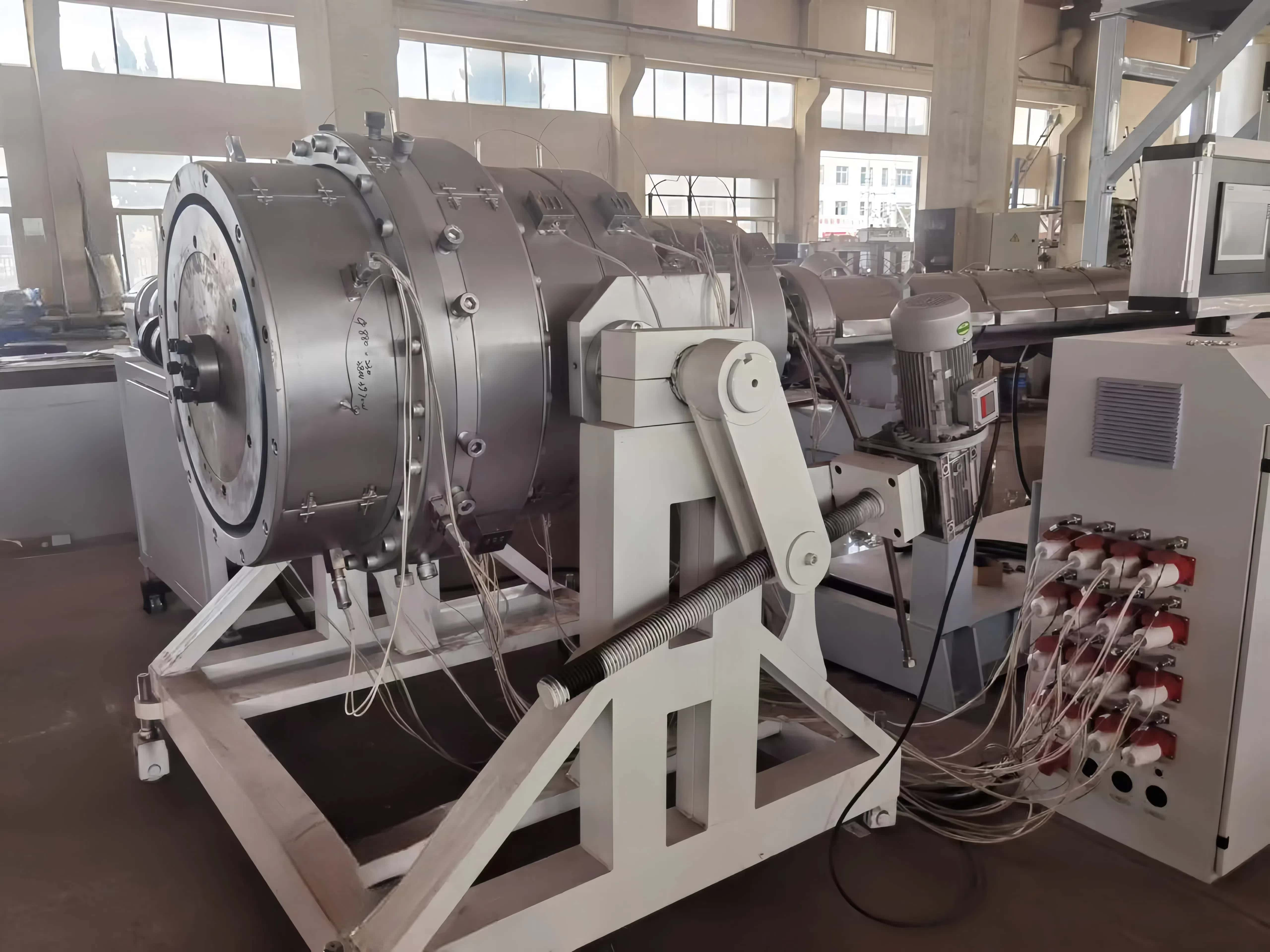
Root Causes of Quality Defects in Plastic Pipe Extrusion
Moisture, thermal degradation, and melt instability Leftover moisture in the plastic pellets causes steam to form during extrusion, which creates bubbles and voids in the product. If the plastic’s temperature tolerance is exceeded, the polymer chains can break down and the plastic can change color. Moisture, temperature, and pellet shape can cause all kinds of surface defects. In the polymer processing journal, it's reported that about 37 of 100 extrusion problems are due to material related issues.
Equipment-related contributors: die wear, poor tool alignment, and dirty vacuum sizing boxes
The die gap shift, due to die wear, leads to inconsistent and variable PVC pipe wall thickness by >0.3 mm. Axial misalignment of tools by only 0.5 degrees disrupts the radial mass distribution; likewise, dirty or clogged vacuum sizing boxes fail to provide proper suction to control the shaping. This is problematic for the volumetric sizing and surface finish of the product. Industry reports show ~3 out of 5 defects in the dimensions of a product are due to the equipment, and close to 30% of the surface defects are due to poor vacuum systems. Mechanical issues require the manufacturers to schedule adjustments, wear monitoring, maintenance, and cleaning in a timely manner.
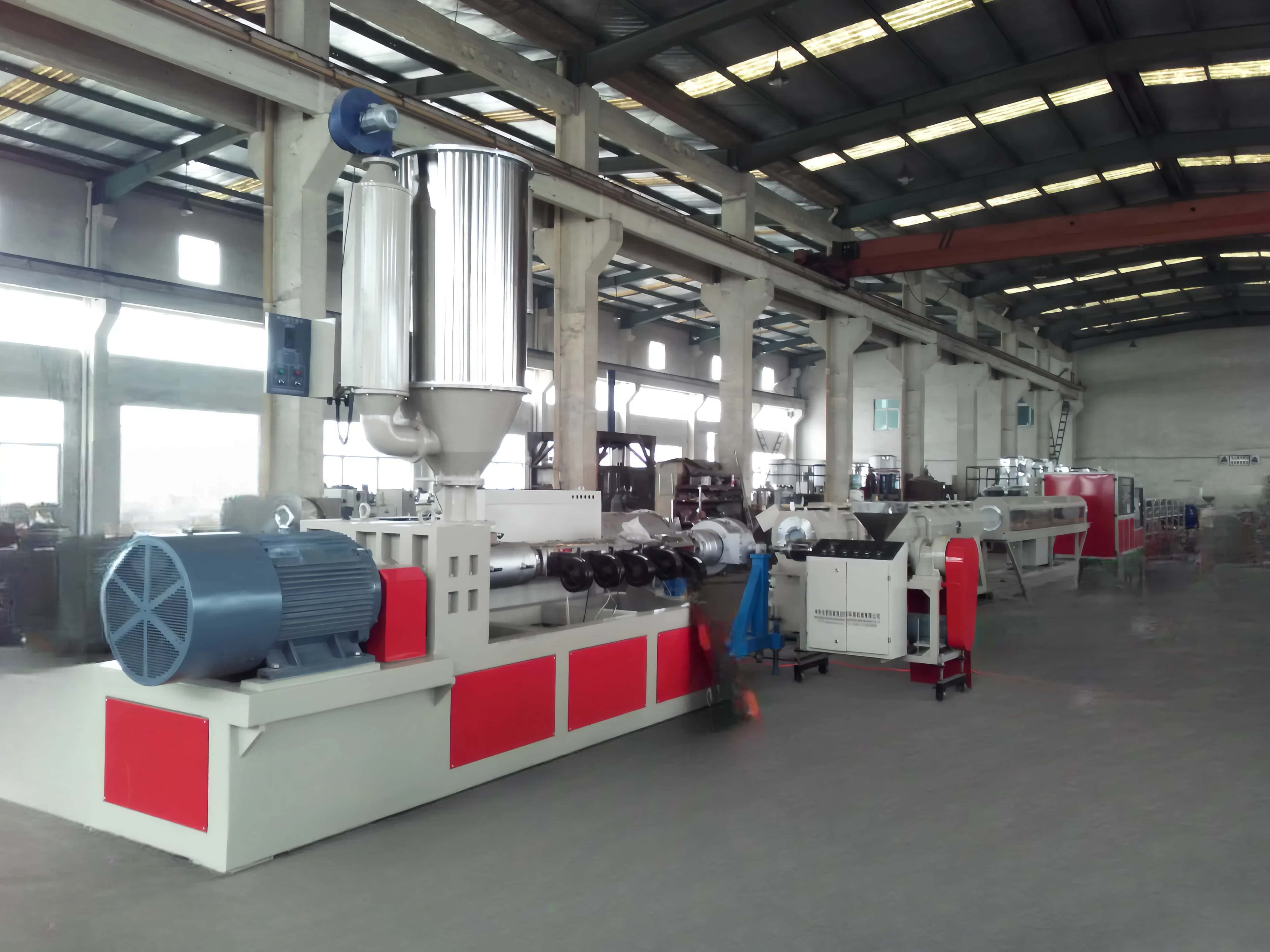
Surface Flaws in Plastic Pipe Extrusion and Solutions
Melt fracture phenomena: sharkskin, orange peel, and die lip dirtying
Sharkskin and orange peel surface defects happen at the die exit due to the elastic recovery and flow instabilities. Issues at the die lip due to contamination and poor heat distribution across the die can become exacerbated. When polymer breakdown occurs due to heat and excessive shear, the defects are more pronounced. In the most recent industry reporting from Plastics Today in 2023, a third of HDPE lines report these quality defects. Fortunately, there are options to mitigate these defects but we will need to look at these options in detail.
Remedial options include;
1. Polishing die lips to remove buildups that restore laminar flow
2. Reducing line speeds to reduce shear without impacting throughput
3. Tightening control of melt temperature be within ±5°C across die zones
4. Real-time monitoring of melt rheology integrated to control systems has shown a 40% reduction of the incidence of melt fracture in pilot studies.
Mechanical Vibration Defects: Jitter rings and grooves from vacuum and cooling system problems
Jitter rings and helical grooves indicate mechanical resonance, most often caused by misaligned vacuum calibrators or turbulent flows in the cooling system. In 2023, an industry study found 68% of the aforementioned defects attributed to out-of-balance puller synchronization and vacuum pump bearings, which caused cyclic pressure fluctuations.
Some of the measures that can be taken include:
- Laser alignment of sizing sleeves and vacuum calibrators
- Installing pulsation dampeners on vacuum supply lines
- Eliminating turbulence through the optimization of flow velocity and distribution of coolant
Maintaining vacuum pressure within a 0.5 bar variation window stabilizes groove-related scrap reduction within 75%.Dimensional Inconsistencies in Plastic Pipe Extrusion
Causes and Process Controls
Variations in outer diameter (OD) and wall thickness can significantly complicate pressure ratings and field installations. The leading causes of these issues are: volumetric feed surging causing pressure fluctuations during melting, non-uniform cooling leading different parts to shrink at different rates, and misalignment of worn-out dies. All of these contribute to problematic geometry. Furthermore, suction instability in the vacuum system causes the entire pipe to drift longitudinally. Research in extrusion engineering has shown that switching to gravimetric feeding reduces feed variability and material inconsistencies by as much as 70%. For extrusion companies aiming for higher quality extrusion, solid process control is key.
Routine die inspections and laser-based adjustments to maintain die gap integrity, as well as real-time wall thickness feedback and auto die-bolt adjustment through in-line laser micrometry, have become industry standards. Engineered cooling (via vacuum sizing boxes) with flow straighteners and segmented water flow zones also contribute to achieving the required quality.
Together, these measures consistently hold dimensional tolerances to ±0.5% and reduce scrap by over 30%.
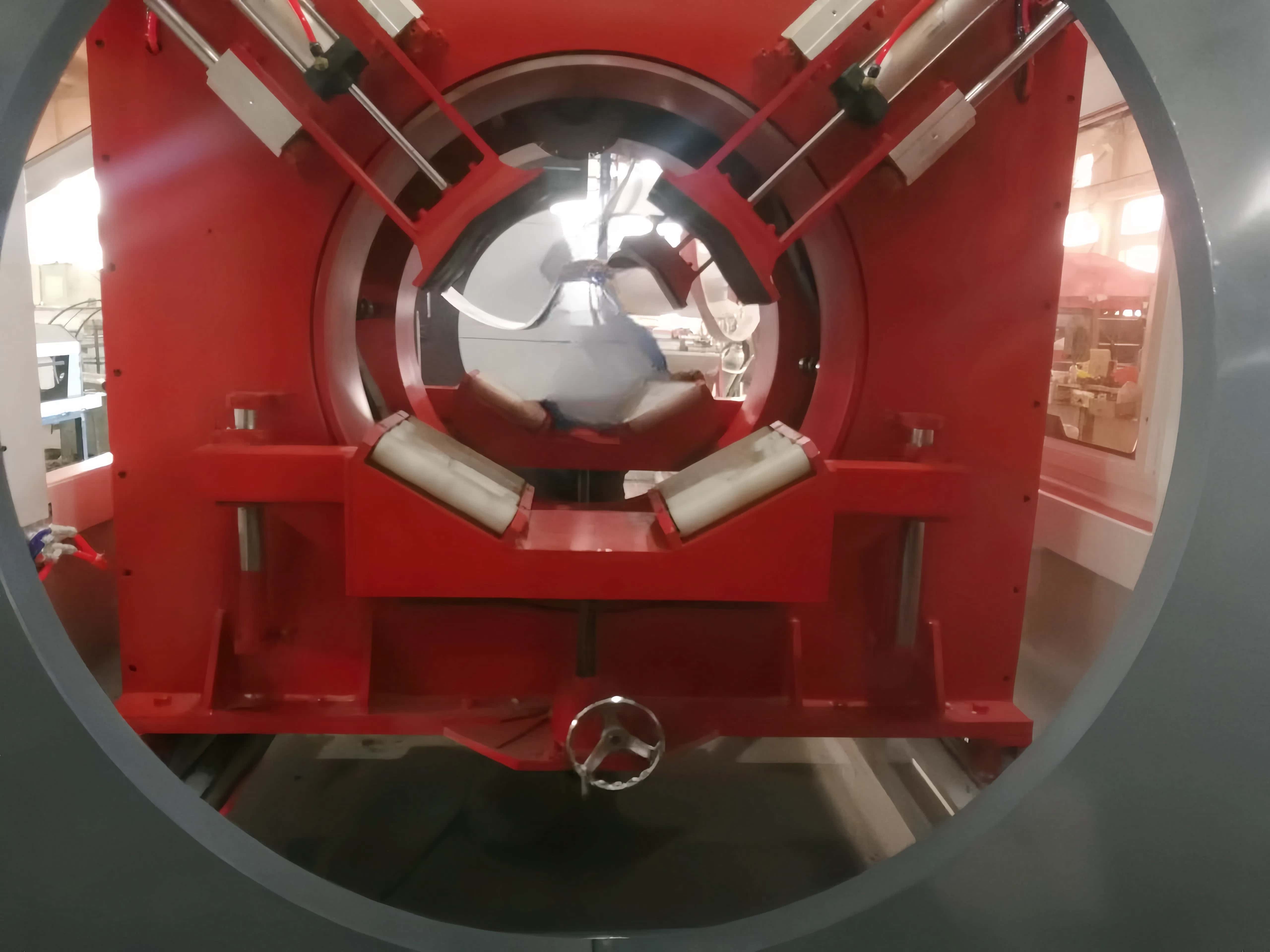
Thermal management failures during plastic pipe extrusion
Differential heating and cooling: Overheating causes deterioration of thermal polymer chain and releases PVC polymer that causes yellow streaky and dark PE spots. Internal stresses are created when there is insufficient cooling, and when thermoplastic material is handled or stored, it will be warped and become oval. The amount of thermoplastic that will be wasted is greater than 30% if the temperature is maintained above or below 8 degrees Celsius in the cooling and/or heating sections during the extrusion process. This is due to the fact that varying temperature ranges will cause the material to flow evenly in different sections and will result in the thermoplastic to solidify at different and incomplete rates which will also result in a differential flow of the material between the different sections of the die. Temperature related issues are not easy to detect or resolve, but they might be related to one or more of the common process control issues.
Hot spot identification through infrared thermal mapping of barrel transitions & die zone(s).
Flow visualization & CFD analysis of cooling bath(s) hydraulics to eliminate dead zones & achieve uniform quenching.
Annual Temperature Controller Verification to NIST standards traceable to ±1% standards.
Zone specific PID tuning and flow of cooling water based on melt temperature dynamic(s) achieve and restore thermal equilibrium (degradation, warpage, & dimensional preservation).
FAQ
What causes moisture-related defects in plastic pipe extrusion?
Defects caused by moisture occur when moisture in the plastic pellets steam during extrusion bubble/void formation in the end product.
How do equipment-related problems lead to defects in the extrusion process?
Defects in extrusion die wear, tooling misalignment, & vacuum sizing box fouling lead to inconsistent wall thickness, sizing, & surface(s) smoothness.
What defects do we see on the surface of plastic pipe extrusion?
Surface defects include melt fracture phenomena: shark skin, orange peel & mechanical vibration, jitter rings & mechanical grooves.
What explains the dimensional inconsistencies that occur during the extrusion process?
Dimensional inconsistencies include volumetric feed surging, non-uniform cooling, and vacuum system instability. These inconsistencies affect the outer diameter, ovality, and wall thickness.
Thermal Management impact quality on plastic piping
Ineffective thermal management can cause overheating, discoloration, warping, or even an imbalance of temperatures, which can cause an increase in the rates of scrapping the product during production and impact the dimensional integrity.