EN
EN
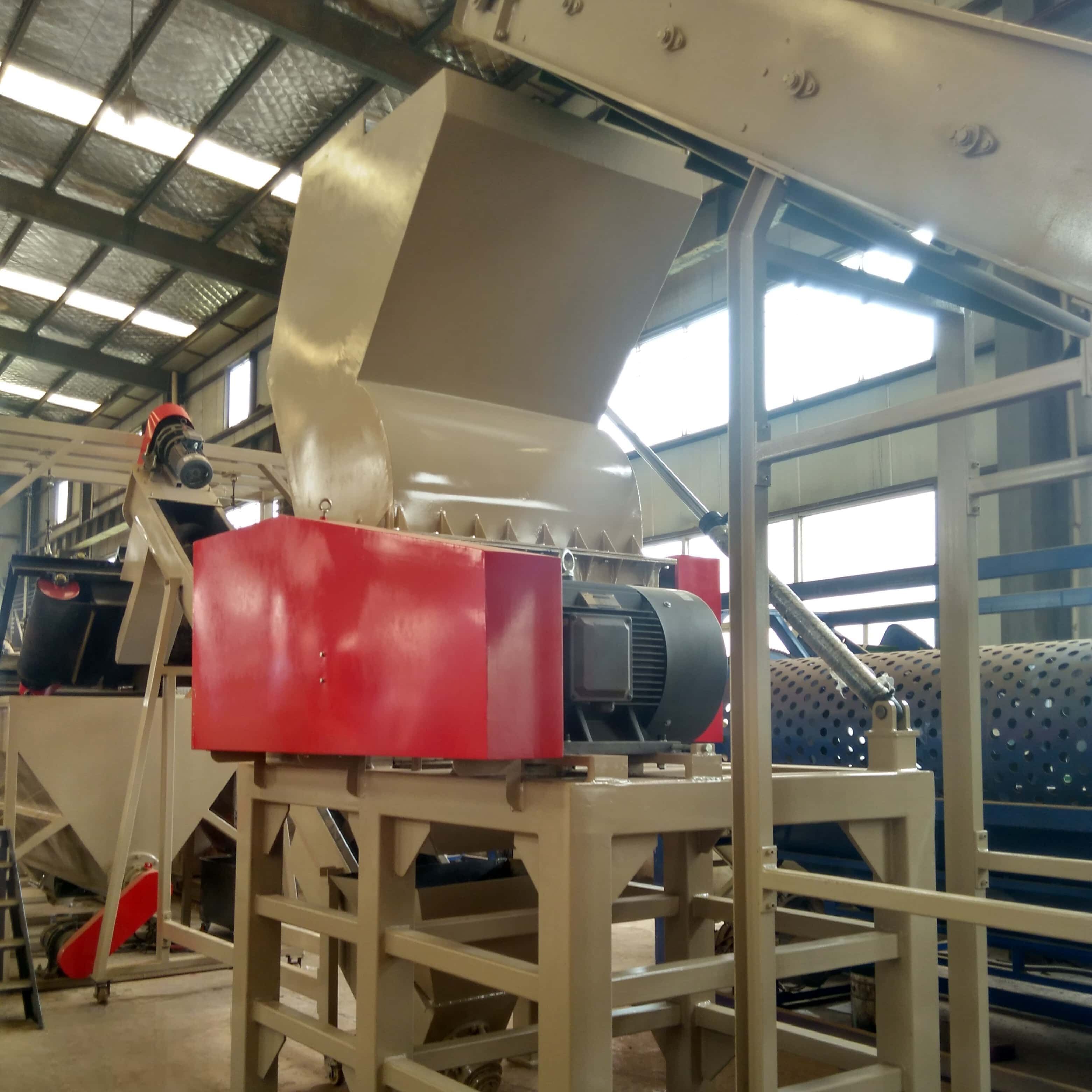
Specialized Equipment for Recycling Agricultural Film
Contamination from Soil, Moisture, and Organic Residues
Used agricultural film is contaminated by moisture, soil, and organic residues (of roughly 30-60% of its weight), which consists of crop debris and pesticide residue, posing mechanical and chemical challenges. Soil particles that are abrasive cause more rapid wear and tear on the machinery. Moisture can create steam explosions during thermal processing. Organic matter that decomposes will create acidic byproducts that can degrade the polymer. Conventional recycling lines do not have the necessary technical capacity to handle this type of contamination, and will be left with discolored and brittle regranulate that will not be useful for structural applications. Specialized line systems are developed to resolve these issues with soil-optimized shredders that can effectively separate debris while preserving the integrity of the film, and multi-stage washing systems that have been proven to remove more than 95% of the adhesives and residues.
Great Physical Barriers: High Elasticity, Thinness, and Entanglement of Agricultural Film
The major constituents of the agricultural film are low-density polyethylene (LDPE) and linear low-density polyethylene (LLDPE) which relinquish the desired characteristics that impede the recycling process. The extremely thin gauge (of 0.025~0.15 mm) that is present, can be torn easily and sustained mechanical stress. Due to their high elasticity, they are able to wrap around the machinery. Their lightweight and thin nature can create bundles of film that will utilize all the space in the recycling machine. This prevents the recycling system from working. The integrated and specialized systems can achieve recovery rates of more than 85% while most systems will fail to yield more than 50%.

Phases of Equipment for Effective Recycling of Agricultural Films
High torque shredders: Maintain the integrity of the film while enabling further downstream processing
Shredding is the first and one of the most critical steps, without it all further downstream processing becomes cumbersome. Conventional granulators simply cannot work with the elasticity and thinness of the LDPE/LLDPE so jammed granulator, granulator does not produce and chips of the same size, granulator damages the polymer chain. A high torque shredder applies controlled shear force to produce uniform intact chips without the risk of heat buildup and formation of microplastics which dam the melt flow characteristics, and compromise the downstream washing, and extrusion considerations. Adjusted shredding has also been proven, based on district standards, to reduce energy consumption by 30% compared to conventional granulation methods.
Multi-stage washing: Friction cleaning, and float-sink separating for purification.
Efficiency of the cleaning process has to address both surface adhesion and contaminant adhesion of different density. A multi-stage washing process begins with friction washers with rotating peddles where they manage to dislodge 85-90% of soil and organic matter. Followed by float-sink tanks where the sand and stones sink and the plastic fibro adhesive sink while the clean plastic flakes float to be collected. This phase is decisive, studies have confirmed that the contaminant load on > 5% range significantly impacts the final pellet to be loaded, the final pellets are achieving less than the required tensile load. Leading edge facilities put Optical sorters on this phase to eliminate all the non-LDPE plastics achieving more than 99% polymer purity before going on to drying.
Mechanical Drying & Pelletization: Achieving Regranulate with Moisture less than 5%
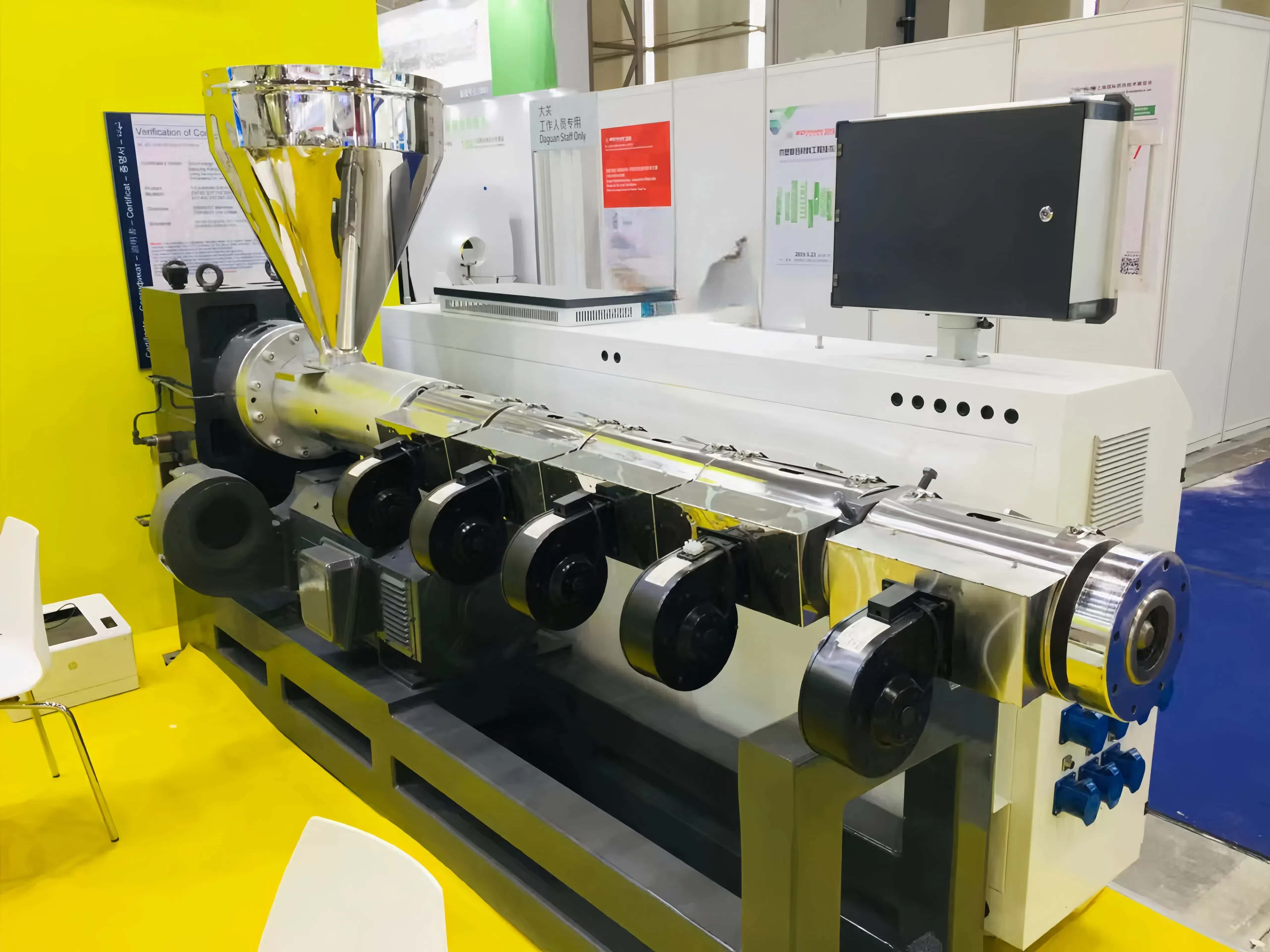
Residual moisture is one of the main causes of quality failure. A two-step approach is used to ensure the moisture content of the dried regranulate is at the target levels. Initially, surface bulk moisture is removed by centrifugal dryers spinning at 1,200 RPM. As the final step, moisture is further reduced to be less than 5% threshold by thermal dryers. This thermal threshold is important because a higher moisture content can lead to steam explosions during the extrusion process. Dried flakes are then passed through a controlled temperature extruder, which uses a molten polymer to filter undetected contaminants through a 250-micron filter. Underwater pelletization creates a uniform geometric structure that cools the regranulate to meet the entire ASTM D3350 requirements of recycled content for new agricultural films.
Facilitating Integration and Control of Systems for Improved Recycling of Agricultural Films
It is not the equipment that is responsible for peak performance, but the optimum function of systems. Energy savings of up to 30% can be achieved from the integrated operation of high-torque shredders, multi-stage washers, and mechanical dryers over standalone operations. When a real-time process control system is in place, moisture content from continuous moisture sensors, thermal control, and centralized data analytics, stabilization of throughput can be achieved. This also maintain the quality of the pelletization within specification. Naturally, this adaption is in response to the variability of the feedstock. A further supplement for uptime and consistency is the predictive maintenance alerts combined with residue pattern analysis. This also helps maintain regranulate purity to be above 95%. The aim of this closed-loop integration is to eliminate the step-wise approach of agricultural film recycling and aim at high-fidelity material recovery.
Frequently Asked Questions
How is agricultural film recycling different from other recycling streams?
Due to the nature of the films, design of equipment and recovery goals, agricultural film recycling requires specialized equipment because of the high levels of contamination. Standard equipment would be inadequate in this recycling process.
What is used agricultural film contaminated with?
Used agricultural films are contaminated with soil, moisture, organic residues, crop debris, and pesticide residues. These contaminants affect recycling significantly if not accounted for.
How do high-torque shredders help the recycling process?
High-torque shredders use shear force to create uniform and intact flakes with no heat buildup. This makes shredding compatible with downstream processes and reduces energy usage.
What is the purpose of multi-stage washing in agricultural film recycling?
Multi-stage washing makes sure contaminants are removed with friction cleaning and separation based on density. This helps with the purity of the polymer before drying.
How does integration of different systems improve recycling?
The integration of different systems leads to a co-ordinated flow of processes and recycling operations. This also helps the recycling process overall and maintains the quality of the regranulate.