EN
EN
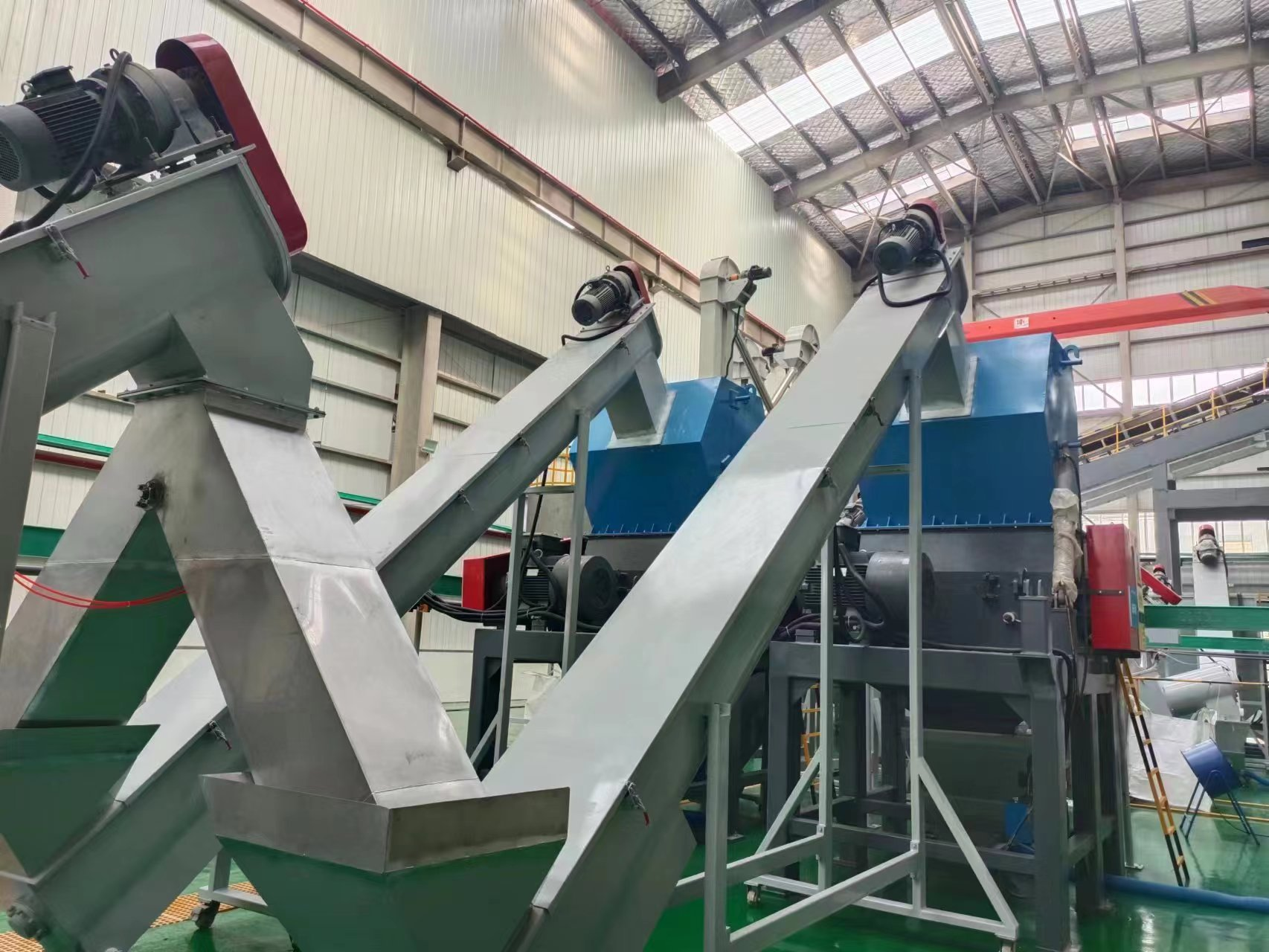
التدهور الحراري: العائق الرئيسي أمام إعادة تدوير مادة الـABS بشكل موثوق
الآليات التفصيلية لفقدان تدفق المصهور وقوة التأثير في مادة الـABS ذات الأخاديد
أثناء إعادة تدوير مادة الـABS، تؤدي دورات التسخين المتكررة إلى انقسام سلاسل البوليمر. ونتيجةً لذلك، تنخفض الكتلة الجزيئية. وتؤدي هذه التدهورات إلى ارتفاع مؤشر تدفق المصهور (MFI) بنسبة ٣٠–٥٠٪ بعد دورة معالجة واحدة فقط. وبالمقابل، يؤدي ذلك إلى عدم انتظام في اللزوجة، ما يسبب فشلاً في ملء القالب وفقدان التجانس في الأجزاء المُصنَّعة. كما تنخفض مقاومة التصادم — وهي خاصية بالغة الأهمية لأجزاء تزيين المقصورات الداخلية للسيارات وأغلفة الإلكترونيات — بنسبة ٣٠–٥٠٪، ويعود السبب الرئيسي لذلك إلى التدهور الأكسيدي لطور مطاط البيوتاديين. ويزداد الضرر، بينما يتعرض مصفوفة الستايرين والأكريلونيتريل إلى تحلل لا رجعة فيه. ويتم الحفاظ على درجات حرارة المعالجة بحيث تتجاوز نطاق تشويه الحرارة لمادة الـABS (٨٠–١٠٥ °م). وفي غياب مواد ممتدة للسلاسل أو مواد مستقرة حراريًا، فإن عمليات إعادة التدوير المتتالية تزيد من هشاشة المادة وعدم استقرار تدفقها، مما يقلل من الموثوقية الهيكلية للتطبيقات عالية الأداء.
رؤى قائمة على البيانات: الحفاظ على الخصائص عبر عدة دورات لإعادة تدوير مادة الـABS (الاتجاهات الخاصة بمعياري ISO 179/180)
وفقًا لاختبارات ISO 179 وISO 180، تؤكد البيانات حدوث تدهور تدريجي. فبعد ثلاث دورات معالجة، انخفضت مقاومة الصدمات إلى أقل من 70% من قيمتها الأصلية، وانخفضت مقاومة الشد بنسبة 15-25% نتيجة لتفكك السلاسل، كما انخفضت الاستطالة عند الكسر بأكثر من 40%. وُجد ارتباط مباشر بين هذه الخسائر، وزيادة مؤشر سيولة الذوبان، وانخفاض الوزن الجزيئي. يكون التدهور الحراري شديدًا عند درجات حرارة أعلى من 240 درجة مئوية، حيث تؤثر كل دورة بشكل غير متناسب على الأداء الميكانيكي. وللحفاظ على سلامة المواد الصناعية بعد دورات معالجة متعددة، يجب على المصنّعين تطبيق رقابة صارمة على درجة الحرارة (≤235 درجة مئوية) إلى جانب استخدام مُطيلات السلاسل القائمة على الإيبوكسي وغيرها من الإضافات التفاعلية.
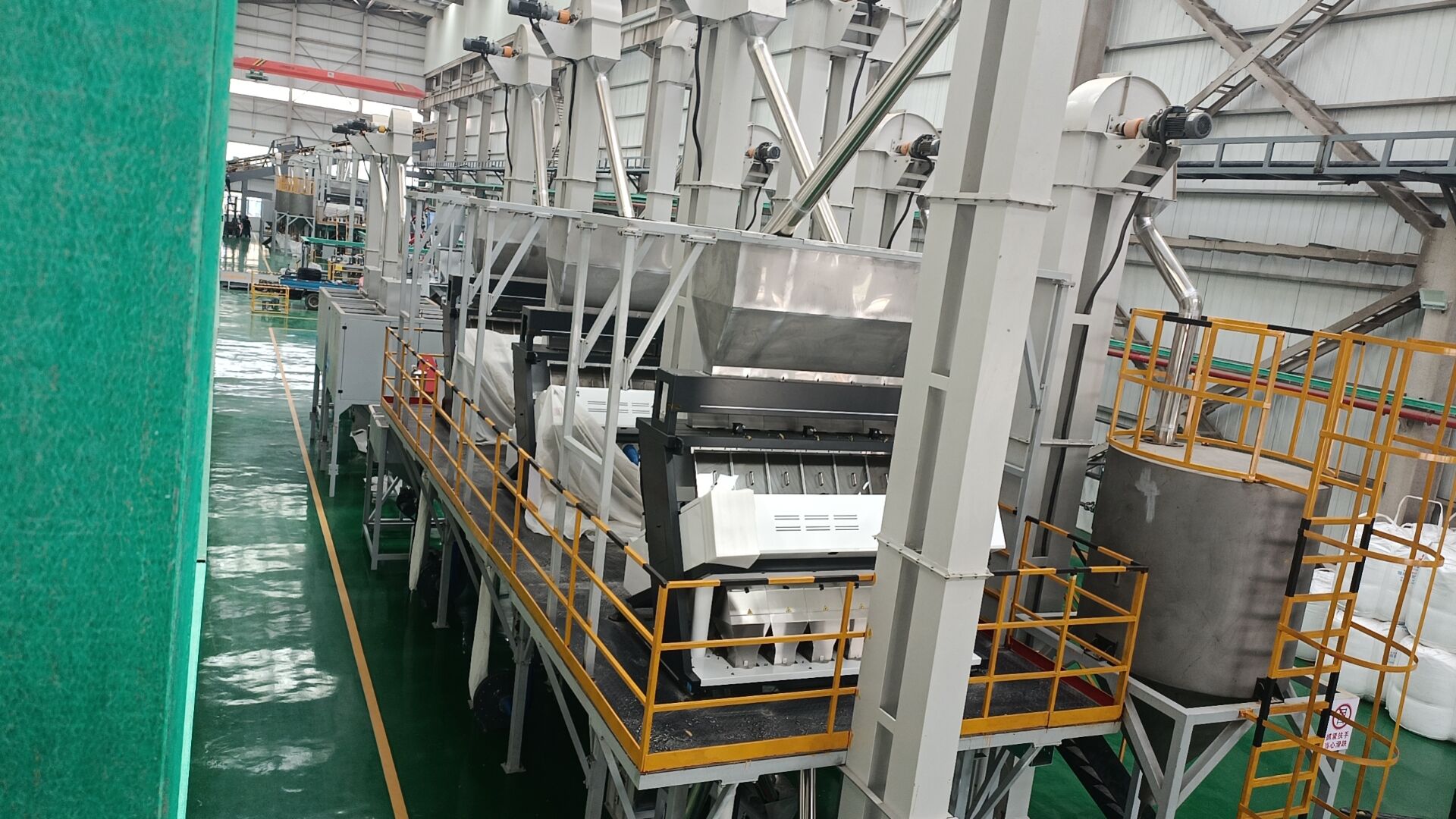
مراقبة التلوث: ضمان نقاء تيارات إعادة تدوير مادة ABS
الملوثات التي تُضعف عملية إعادة تدوير مادة ABS
الملوثات مثل الطلاء والمعادن ومثبطات اللهب البرومية (BFR) تساهم جميعها في إعادة تدوير مادة الـABS بطرق مختلفة، وبشكل تكاملي مع بعضها البعض:
ويمنع الطلاء التصاق الطبقات ببعضها أثناء إعادة الصهر، ما يؤدي إلى تكوّن فراغات دقيقة تخفض مقاومة التأثير بنسبة تصل إلى ٤٠٪ (بيانات المعيار ISO 179/180)؛
وتؤدي جزيئات المعادن إلى تدهور درجة التجانس في الحالة المصهورة، وتسرّع اهتراء براغي وأسطوانات الطارد؛
أما مثبطات اللهب البرومية (BFRs)، وبخاصة إيثير ديكابرومو ثنائي الفينيل (deca-BDE)، فتخفض درجة حرارة بداية التحلل وتزيد من تكوّن الكربون المتبقي (الكربون المُتَكَوِّن)، ما يرفع احتمال انسداد الفوهة وحدوث عيوب في جودة السطح.
يؤدي تأثير كل دورة إعادة تدوير إلى تركيز مستويات الملوثات، لا سيما في تدفقات السيارات ذات الدورة المغلقة، مما يؤدي إلى شقوق إجهادية، وانخفاض اللمعان، وضعف الاستقرار الأبعادي. ويمكن أن تُضعف الملوثات، حتى عند مستويات آثارها الضئيلة (مثل ٠٫٥٪ وزنًا من مادة PVC)، الخصائص الميكانيكية (مثل انخفاض بنسبة ٣٥٪ في قوة الشد)، ما يجعل فرز المواد في المراحل المبكرة والتنظيف المتواصل داخل خط الإنتاج أمرين حاسمين تمامًا للتطبيقات المرتبطة بالسلامة.
مرشحات ذكية لتنقية خليط البوليمر المصهور في عمليات إعادة التدوير المتقدمة لإنتاج ABS عالي العائد للسيارات
يتم إنتاج مادة ABS المعاد تدويرها عالية النقاء عبر تنقية متعددة المراحل باستخدام مرشحات ذكية مستمرة التنظيف لمزيج البوليمر المصهور.
مرحلة العملية، الوظيفة، الفائدة في تطبيقات السيارات
الغربلة الأولية؛ لإزالة الجسيمات الأكبر من ٥٠٠ ميكرومتر (معادن/بلاستيك)؛ لمنع انسداد فتحات الحقن
الترشيح الدوراني؛ لإزالة الملوثات بحجم ٥٠–٥٠٠ ميكرومتر؛ للحفاظ على ثبات اللمعان في القطع التزيينية
دورات الغسل العكسي؛ لإخراج الرواسب المتراكمة تلقائيًّا؛ لإلغاء توقفات الإنتاج
التحكم في ضغط المادة المنصهرة؛ واستقرار اللزوجة؛ وضمان الدقة الأبعادية في القطع
يمكن الآن استخدام أكريلونيتريل بوتادين ستايرين المعاد تدويره (ABS) في التطبيقات الحرجة من حيث السلامة، مثل أغطية حزام المقعد وتغليف وسائد الهواء، وذلك لأن هذه التكنولوجيا الجديدة تحقق إزالة ٩٩,٩٧٪ من الملوثات. ويمثل هذا تقدُّمًا كبيرًا في معالجة تدفقات بقايا مخلفات السيارات المُقطَّعة ومخلفات الإلكترونيات، إذ تسمح أنظمة هذه التكنولوجيا بمعالجة أكريلونيتريل بوتادين ستايرين المحتوي على كربون أسود (Carbon-black ABS) دون الحاجة إلى فرز يدوي مسبق. أما مرشحات التبديل التقليدية (Screen changers)، فتوفر وعودًا بنسبة أعلى بنسبة ٣٠٪ للمصنِّعين، بالإضافة إلى توفير سنوي في تكاليف التخلُّص من النفايات قدره ٧٤٠ ألف دولار أمريكي (معهد بونيمون، ٢٠٢٣).
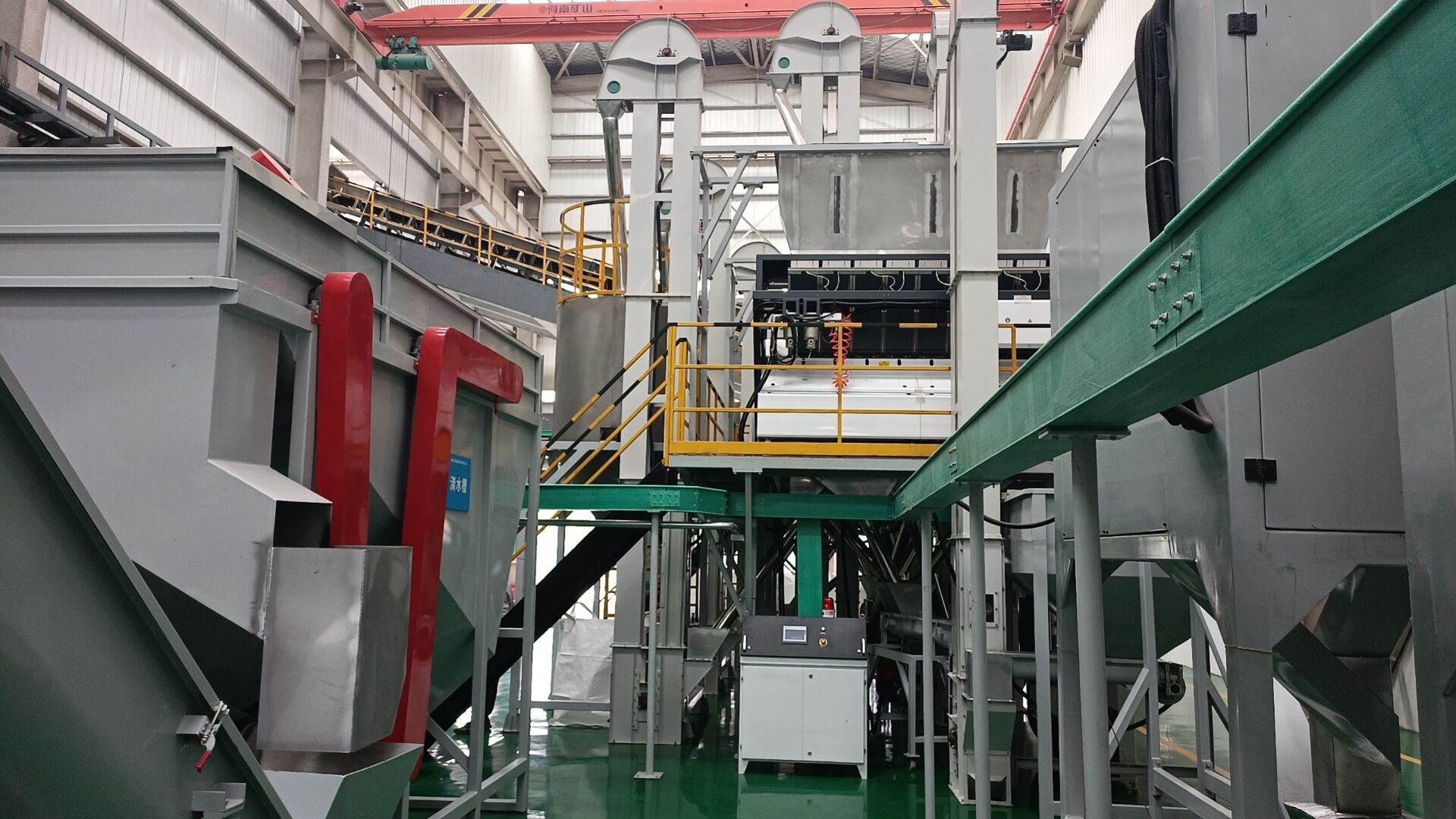
إعادة تدوير أكريلونيتريل بوتادين ستايرين الأسود (Black ABS) وأكريلونيتريل بوتادين ستايرين المستخلص من مخلفات الإلكترونيات (E-Waste ABS): تقدُّمات جوهرية في مجال الفرز
القيود المفروضة على تقنية الأشعة تحت الحمراء القريبة (NIR) والفصل الكهروستاتيكي كبديل قابل للتوسُّع في حالة أكريلونيتريل بوتادين ستايرين المحتوي على كربون أسود (Carbon-Black ABS)
يُشكِّل البلاستيك الأسود من نوع ABS تحديًا في الفصل، حيث إن فصله باستخدام أشعة تحت الحمراء القريبة (NIR) غير فعّال بسبب امتصاص أصباغ الكربون الأسود للضوء الساقط. ويؤدي ذلك إلى أخطاء كبيرة في التصنيف قد تتجاوز 50% في أيٍّ من تدفقات العيّنات المدروسة. وتحسِّن تقنية الفصل الكهروستاتيكي أداء هذا النوع نظرًا لاختلاف التوصيلية السطحية بين مادة ABS والشوائب الملوِّثة، والتي قد تكون من البوليستيرين (PS) أو البوليبروبلين (PP) أو المعادن. وتوفِّر هذه التقنية نقاءً يتراوح بين 90% و95% في الكسور المفصولة الناتجة عن تدفقات النفايات الإلكترونية المختلطة. ولتحسين عائد النقاء الانتقائي في الكسور المذكورة أعلاه، يمكن لمستشعر التصوير الطيفي فائق الدقة في نطاق تحت الحمراء المتوسطة الموجة (MWIR)، مثل جهاز Specim FX50، أن يحقِّق دقة أعلى في العائد الانتقائي، وذلك لأنَّه يلتقط ظاهرة امتصاص الجزيئات دون طول الموجة، وهي ظاهرة لا يمكن لأجهزة الاستشعار العاملة في نطاق الأشعة تحت الحمراء القريبة (NIR) التقاطها، مما يؤدي إلى تحقيق عائد انتقائي بنسبة 99% لمادة ABS السوداء المحتوية على الكربون الأسود.
مبدأ الكشف التكنولوجي — دقة فصل مادة ABS — الميزة الرئيسية
انعكاس ضوء الأشعة تحت الحمراء القريبة التقليدي <٥٠٪ لبوليمر ABS الأسود، وبنية تحتية منخفضة التكلفة
تباين التوصيل الكهروستاتيكي ٩٠–٩٥٪، ويتعامل مع النفايات الإلكترونية المكوَّنة من خليط من المواد
التمييز الجزيئي الطيفي عالي الدقة في نطاق الأشعة تحت الحمراء المتوسطة (MWIR) بنسبة دقة ٩٩٪، ويُحدِّد بوليمر ABS المحتوي على مسحوق الكربون الأسود
هذه التطورات تُمكِّن من استغلال بقايا تفكيك المركبات automobiles التي كانت تُرسل سابقًا إلى المكبات، وكذلك الإلكترونيات المنتهية عمرها الافتراضي— لتحويلها إلى بوليمر ABS معاد تدويره عالي القيمة وموحَّد الخصائص، ومناسب لمورِّدي المستوى الأول في قطاع صناعة السيارات والشركات المصنِّعة الأصلية للإلكترونيات (OEMs).
أسئلة شائعة
ما السبب وراء التدهور الحراري في إعادة تدوير بوليمر ABS؟
يحدث التدهور الحراري في إعادة تدوير بوليمر ABS نتيجة التعرُّض المتكرر لدورات حرارية، مما يؤدي إلى انقسام السلاسل الجزيئية، وانخفاض الوزن الجزيئي، وتلف أكسدي— وبخاصة في المرحلة المطاطية المكوَّنة من البُوتاديين.
كيف تؤثر الملوثات على أداء بوليمر ABS المعاد تدويره؟
تُسبِّب الملوثات مثل بقايا الطلاء، وجزيئات المعادن، والمثبِّطات المحتوية على البروم للهب اضطراباً في انسجام حالة الانصهار، وتقلل من مقاومة الصدمات، وتخفض درجات حرارة التحلل، ما يؤدي إلى عيوب سطحية ومشكلات أخرى.
ما التقنيات التي تساعد في تحسين دقة الفرز لبلاستيك الـABS الأسود؟
تُعد فصل الشحنات الكهروستاتيكية والتصوير الطيفي عالي الدقة في نطاق الأشعة تحت الحمراء المتوسطة (MWIR) تقنيتين متقدمتين تحقّقان دقة فرز تتراوح بين ٩٠٪ و٩٩٪ للبلاستيك الأسود من نوع ABS، مما يتجاوز القيود المفروضة على طرق الفرز التقليدية باستخدام الأشعة تحت الحمراء القريبة (NIR).
كيف يمكن للمصنّعين ضمان نقاء الـABS المعاد تدويره؟
يمكن للمصنّعين ضمان النقاء من خلال عمليات فرز دقيقة في المرحلة السابقة (upstream) وعمليات تنقية متزامنة مع خط الإنتاج، بما في ذلك استخدام مرشحات الانصهار ذاتية التنظيف التي تحقق معدلات عالية لإزالة الملوثات.