EN
EN
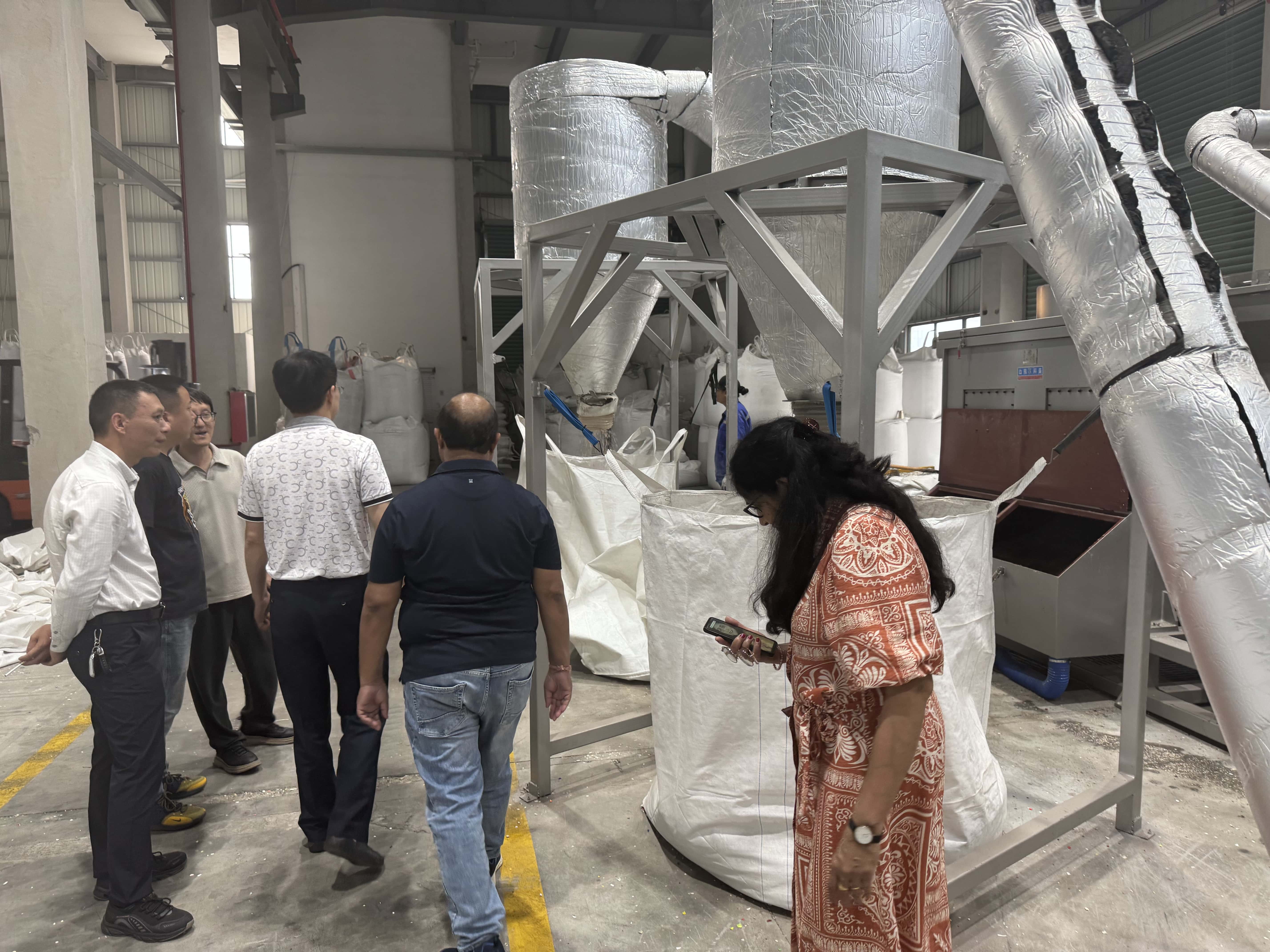
Challenges of PP and PE Recycling: Material Attributes and Recycling Issues
Differences of PP and PE Recycling Processes
Given the recycling properties of the materials, PP and PE behave differently. PP requires specific temperature control during recycling because it melts between 160 and 170°C. PE only requires temperature control during recycling between 115 to 135°C. PP's structure also makes PP degrade more quickly. PP also requires the use of more stabilizer additives, which PE does not require. Further differences in density cause separation issues. HDPE floats in a water based system, which makes PP a likely candidate to sink and become suspended. The differences in recycling properties between PP and PE means both require extensive and purpose specific handling and not just shared infrastructure.
Sorting, Contamination, and Degradation Specific to PP and PE Recycling
Efficiency and quality of output are affected by three major related issues.
Food packagings, especially those that contained oils or food, are known to cause degradation of more than 40% within PP and PE. Contamination can make the pellets lose their FDA compliance.
PP and PE multilayer packaging that contains lamination are also a problem. This is because the NIR laminating systems can cause confusion in the algorithms it uses to detect packaging.
PP also loses about 15% of its tensile strength while PE loses only 8% when recycling them.
Now, there are systems that are artificial intelligence driven to help solve postconsumer separation. These systems help PP and PE to be better separated than the NIR packaging systems that are standard.
The PP and PE Recycle Process: Collection to Repelletization
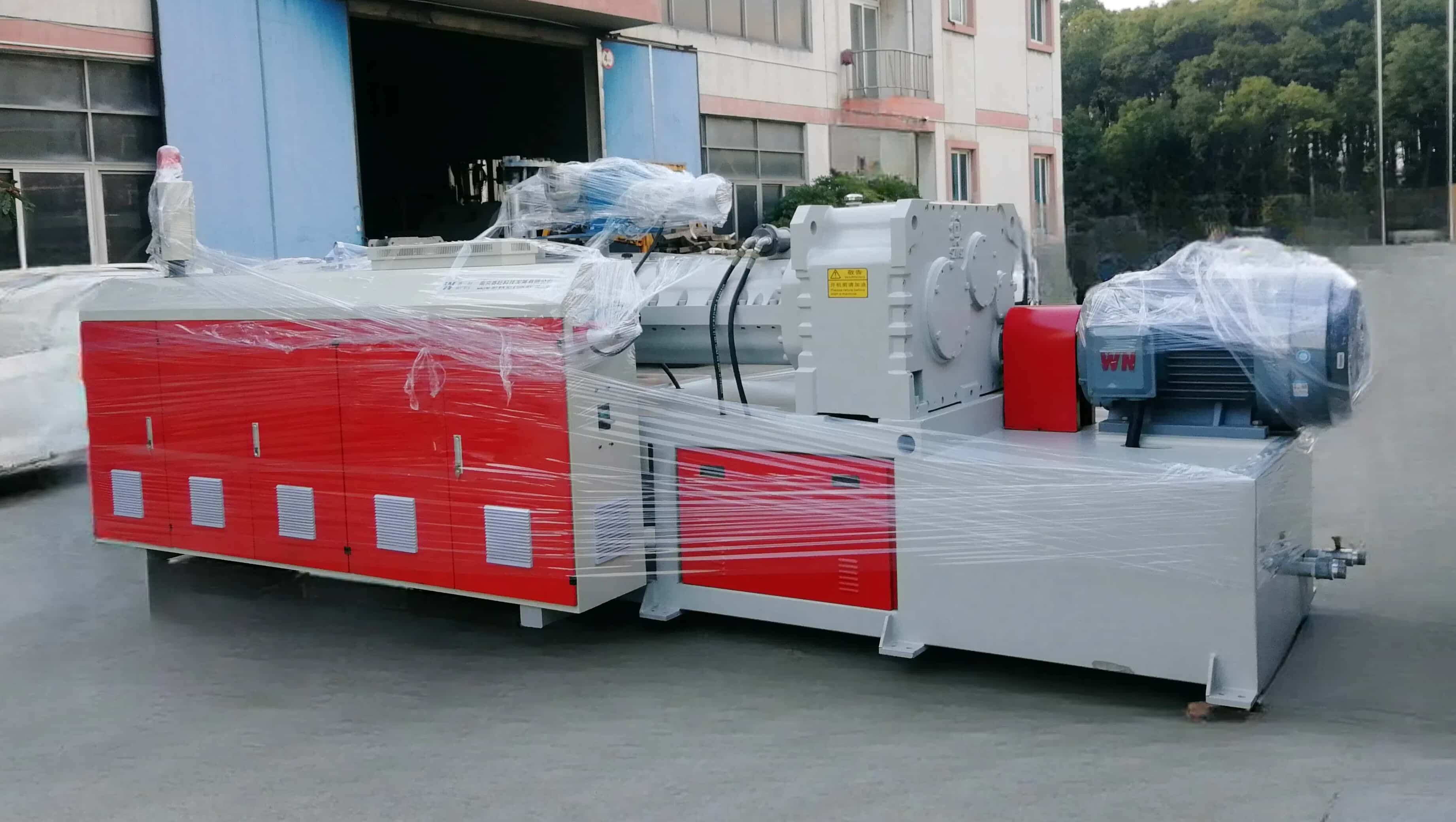
This recycling process for PP and PE thermal-plastics integrates all parts of their manufacturing to convert waste into refined raw materials to feed their repeat production cycle, correcting the environmental crime of global plastic waste.
PP and PE Recycling: the WAshed and Shredded
Correctly identifying PP and PE allows for successful waste sorting, which can be accomplished by NIR systems that achieve 95 percent accuracy. To capture nuclear contamination and other multi-layer impurities, modern systems use AI, vindicating their enigmatic nature, and. They Debunked the false narrative stating plastic is not recyclable by designing systems to displace separation of multilayered NIR systems. For FDA cycle-compliance, adhesive and ink are stripped using heated alkaline wash systems. The target is a set size, incorporating diamond-sharp geometry for the purpose of producing plastic received as feedstock for manufacturing. Before being distributed, PP products are banded to a moisture restriction of less than 0.5 percent, adhering to the downward process, where water leads to hydrolytic degradation of PP and the benign addition of voids to PE. When distributed, PE triggers steam candle voids.
Consistent recycled PP and PE pelts require extrusion, filtration and quality control.
Each type of extrusion profile is for a specific polymer. Polypropylene extrusion barrel zones tend to run hotter at around 200–280°C. Because Polyethylene is able to withstand broader temperature ranges, barrel zones do not need to run at hotter temperatures. Melt filtration does not allow micro-contaminants, such as residual label fragments and degraded polymer gels, which help to reduce black specks by 80%. Strand pelletizers use highly acute blades that stay at a 0.2mm permeability threshold, feeding consistently to an injection line. For quality control, melt flow index (MFI) tests provide data for pellet consistency, while FTIR tests help to determine the degree of polymer identity. Additionally, a level of 1%
Market Demand and Applications for Recycled PP and PE
High-Value End Markets: Automotive, Packaging, and Non-wovens
Previously seen as low value, the recycled grades of PP and PE have moved into performance sensitive and high value markets. In the automotive sector, recycled PP represents more than 40% of all recycled plastics used to manufacture lightweight and stiff components for interior trim (e.g. door and panel) and parts as well as the more aesthetic and functional parts of surface paints. With the moisture and seal integrity, recycled PE dominates packaging (e.g. cast and blown films) and flexible films. Additionally, manufacturers of nonwovens, who use low cost, and a high degree of design flexibility use both resins, while using geotextiles, and medical and hygiene fabric gowns.
Regulatory Integration and Brand Objectives Pushing PP and PE Recycle Adoption
The laws for EU, Canada, and the US, and the corporation goals for sustainability are both shifting toward medium, rigid packaging, and minimum %30 recycled content packaging. Because of the tightening of law. The peak national goal for consumer companies could pose as difficult procurement challenges. North America’s existing MRF includes Manufacturing Resource Planning, for recycled PP packaging, and from the global carbon goals, we know that more than 311,000 metric tons of CO2e equivalent is saved each year. For suppliers of PP and PE, the integration of the regulations and policies means that within the next few years, PP and PE recycle is critical for usage and to remain competitive.
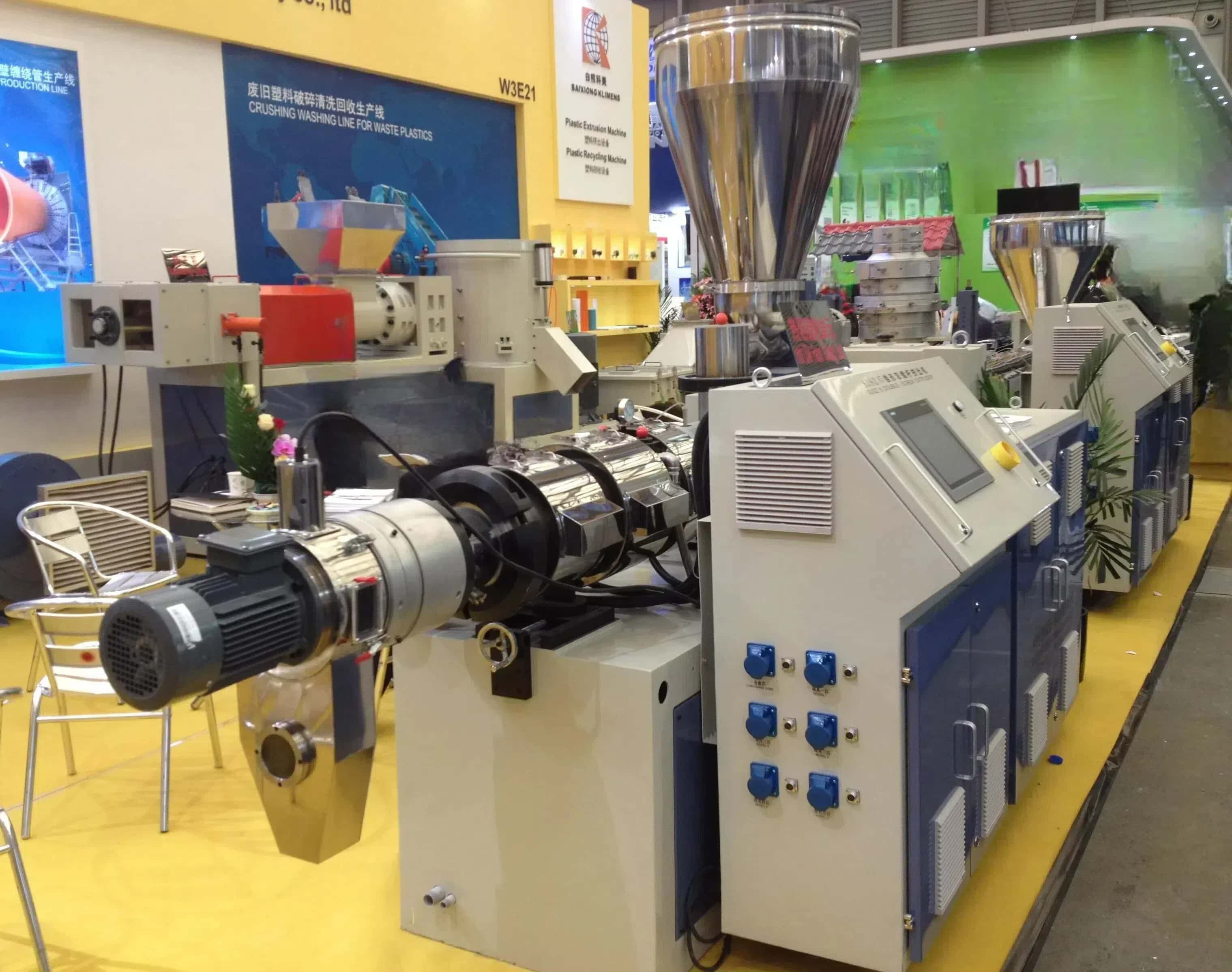
Effectively Recycling PP and PE for B2B Profitability
Recycled PP and PE resins have a cost/benefit advantage due to being 20–30% less expensive than virgin PP and PE and 45–60% lower in cradle-to-gate emissions (Plastics Recyclers Europe 2023). Some operational realities need to be understood and factored into your PP and PE operations to achieve the following:
- You may have to modify the PP screw profile to manage temperature more closely and control slower sporting cycle times for heavily degraded materials.
Trade-offs also exist: retained recycled PP and PE loss impact in semi-rigid and flexible clarity films is more than 95%.
Supply is still a reality: high-purity, food-grade RP PP is still limited, resulting in longer lead times and higher procured costs.
To achieve the maximum ROI, your PP and PE operations may find the following more useful:
- Agricultural films and pallets are fully (100%) recycled (i.e., PP and PE products) content with little (i.e., less than 5%) additional formulation (i.e., little more than the above) is required.
- For case/packaging structural automotive parts, a blend of 30–50% recycled PP, along with virgin polymer, is (i.e., within a margin of) balanced in performance to sustainability.
B2B Sustainability Certification, Traceability, and Supply Chain Partnerships
Increasingly, sustainability certification is seen by buyers as an inescapable requirement when assessing technical specifications. Third-party verification will relate to:
1. GRS (Global Recycled Standard) for the verification of recycled content and chain-of-custody traceability
2. Reliability of compliance with FDA for extraction testing, and migration related to food contact
3. Conformity to the ISO 14021 standard to make claims for post-consumer content that are verifiable and defensible
Strategically partnered manufacturers are aligning with certified MRFs. They are providing batch information in real time, certifying that contamination levels are under 2%. They are providing automated EPR (Extended Producer Responsibility) compliance reporting. ISO 9001 and RSL (Resin Specification Limits) audits also substantiate that the process is valid, unlocking contracts with sustainability-motivated brands and OEMs engaged in circular materials sourcing.
FAQ
What are the differences in recycling PE vs. PP?
PP and PE differ in structure and melting points in the recycling process. PP is a more complex structure that can be a more serious challenge in degradation than PE, in addition to requiring high-temperature and high-energy degradative stabilizer additives.
What are the challenges in PP and PE recycling?
Challenges in PP and PE recycling are associated with food-contact-related degradation and contamination, multi-layered packaging, and thermal degradation resulting in loss of structural integrity.
What are the standard practices for PP and PE recycling?
Standard practices for PP and PE recycling include accurate sorting at the proper temperature and pH, proper shredding by monitoring the moisture content pre-extrusion, and proper profiles and filtration to ensure adequate of extrusion.
Which market includes recycled PP and PE and how is this section growing?
Engineering grade recycled PP and PE finds applications in automotive, packaging, and nonwoven sectors. Market forces include government regulations, sustainability targets, and cost and consistency benefits.
What opportunities do businesses have for PP and PE recycling for internal process improvement?
Opportunities for improvement include cost and benefit assessments, modifications, and processing, application of recycled content, and maintaining certifications and traceability within the supply chain.