EN
EN
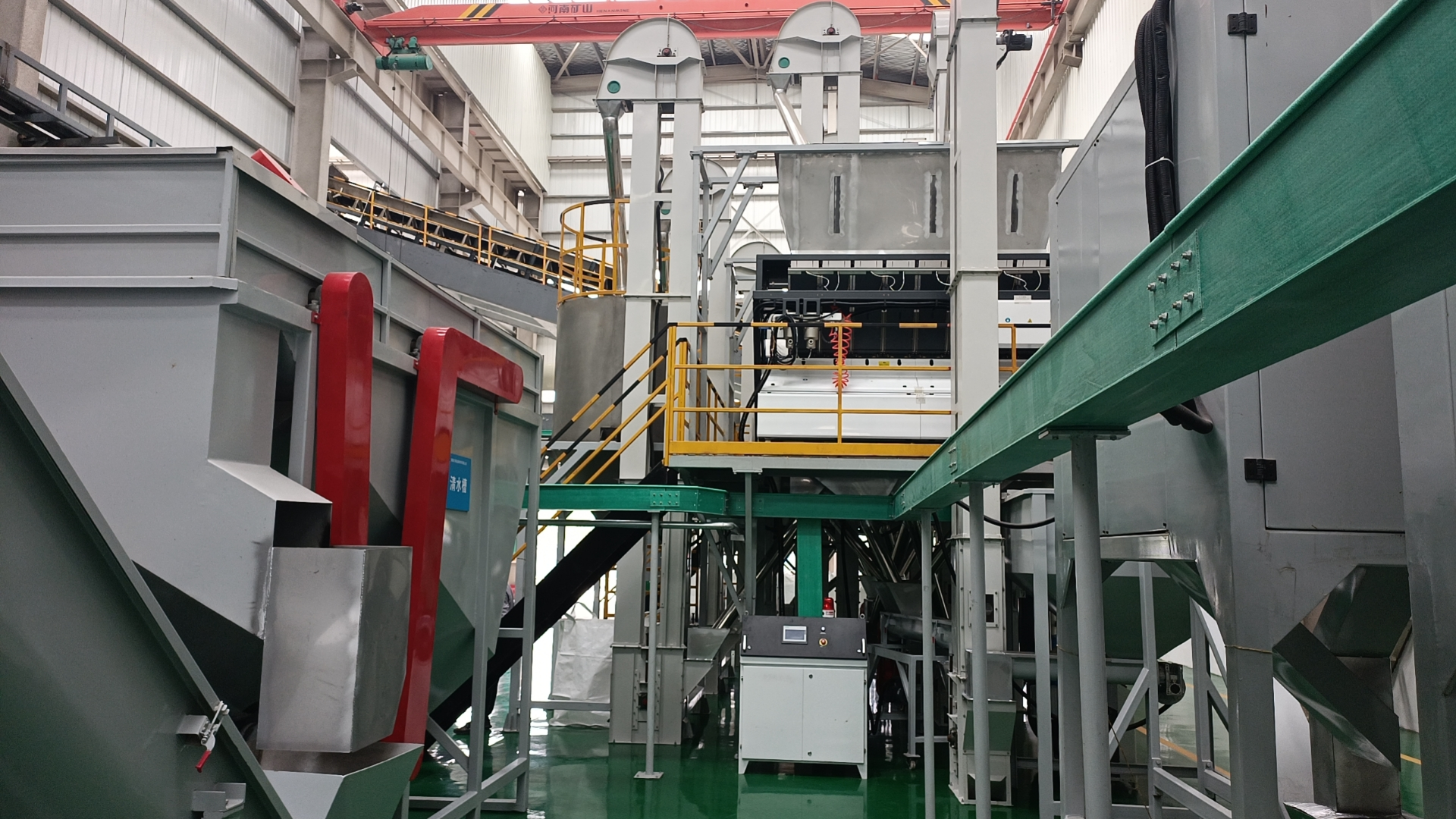
Why Energy Efficiency Matters in ABS Recycle Operations
The amount of energy consumed during ABS recycling has a big impact on its economic viability and external environmental footprint. Energy consumption during plastic recycling operations accounts for almost 40% operational costs. This figure is rising in line with increasing energy costs. Simply put, the more energy a factory burns, the less profitable it is. Processing materials inefficiently also yields negative externalities, impacting the environment. If, for example, 1 ton of ABS is poorly recycled compared to a ton recycled in a state-of-the-art facility, there could be 45% more CO2 emissions as a result of the poor recycling operation. The environment is also impacted by new regulations. The EU Packaging Directive put new regulations and requirements on recyclers to reduce their carbon footprint by 30% by 2030. More focused and smart business owners are now seeing energy efficiencies positively as a way to stay in front of new regulations and help save them costs and provide them with more competitive advantages in energy efficient systems.
Companies that aim to decrease energy usage per ton processed receive a dual benefit; both a decrease in operational costs and an upgrade in the certification level of their recycled products.
Key Advanced ABS Recycle Technologies Delivering Proven Energy Savings
Energy-optimized new technologies enable high-quality ABS recycling at a reduced cost. Many recycling facilities are increasingly adopting twin-screw extruders with regenerative drives. How does that work? Unlike conventional twin-screw extruders that dissipate energy in the form of heat as the screw rotation slows, these systems capture that energy. In the recycling industry, it has been documented that facilities with these drive systems consume 30 to 40 percent less energy per ton processed. And, because the drives maintain a constant torque and avoid high torque surges, energy costs associated with those spiking surges at the end of the month are eliminated. As a result, the drive systems are in high demand within the recycling industry.
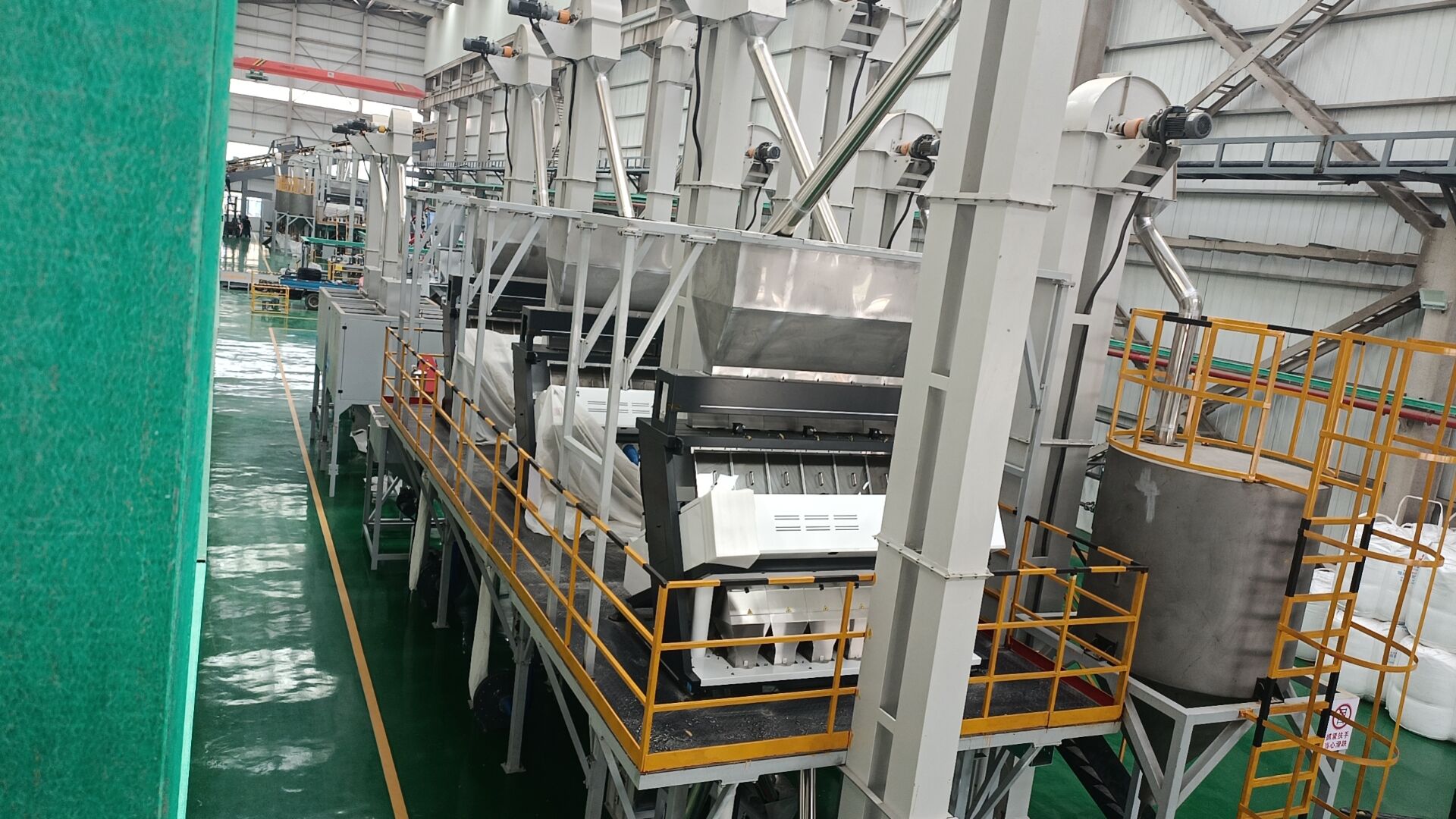
Twin-Screw Extruders with Regenerative Drives (30–40% kWh Reduction)
As production cycles continue for an extruder, regenerative drives capture any leftover energy from the extruder’s motion, allowing the machine to reclaim that energy and convert it into electricity to power itself. This cyclical phenomenon enables a machine to recycle energy rather than sell it to an external electrical source. Operational data proves systems have less than a 1% change in the quality disparity of end products, regardless if they are operating at peak capacity. After a machine has a power interruption, the need for energy intensive restart functions is eliminated. When paired with heating technology to determine energy changes in the flowing material, a multisystem provider can begin to realize energy savings to their bottom line.
NIR-Based Sorting + Closed-Loop Pre-Wash Systems for Input Optimization
NIR sorting technology enhances input for recycling, and helps to reduce energy usage for recycling. The sensor technology detects and diverts non-ABS plastic to another processing stream at a rate of roughly four tons per hour with a success rate of 98%. We avoid the energy-consuming and time-consuming processes for sorting materials that will not work. When closed loop washing systems are used in conjunction with NIR sorting, approximately 90% of the water and solvents used in washing and recycling procedures are saved and reused. Furthermore, the washing systems remove labels and adhesives before the main washing and processing stages. From a recycling process perspective, the washing systems reduce the energy demand for thermal drying by approximately 25% (power usage is high during thermal drying in recycling). The Pre-Wash + NIR sorting systems are saving recycling facilities approximately 15% to 20% in energy per ton of recycling washed and sorted versus energy used with washing or sorting systems alone.
Resolving the Energy–Purity Trade-off in ABS Recycle Equipment
Recycling ABS has always had a key compromise: achieving high-purity outputs would cost a lot in energy due to processes like multiple stage washing or filtration at the micron level. Washing to remove contaminants like heavy metals, or incompatible polymers used to set the energy cost to unsustainable ratios (high kWh/tons), so to meet sustainability goals, the energy cost must be lowered.
How Next-Gen Filtration and In-Line Rheology Enable High Purity at Lower Energy
The problem is addressed by higher-technology filtration systems using self-cleaning screen changers that operate with lower differential pressures. These systems capture particles below 200 microns without the high energy consuming back flushing that most systems need. At the same time, in-line rheology sensors monitor the viscosity of the melt and adjust the extrusion parameters in real time. In production, this translates to energy savings by decreasing the amount of materials that are over processed while preserving essential mechanical properties such as impact resistance and heat stability of the product.
Technologies Energy Saving Technology Outcome Purity
Multi-stage filtration Low contaminant removal pressure Polymer purity more than (>) 99%
Real Time Rheology Real Time Control of Extrusion Even melt flow
These technologies in synergy lead to a reduction of energy consumption from 18 to 22 %, while also achieving automotive grade specifications. This decouples purity from high power (high energy) demands in modern ABS recycle technologies.
Energy performance of Real world ABS recycle confirmed facility studies
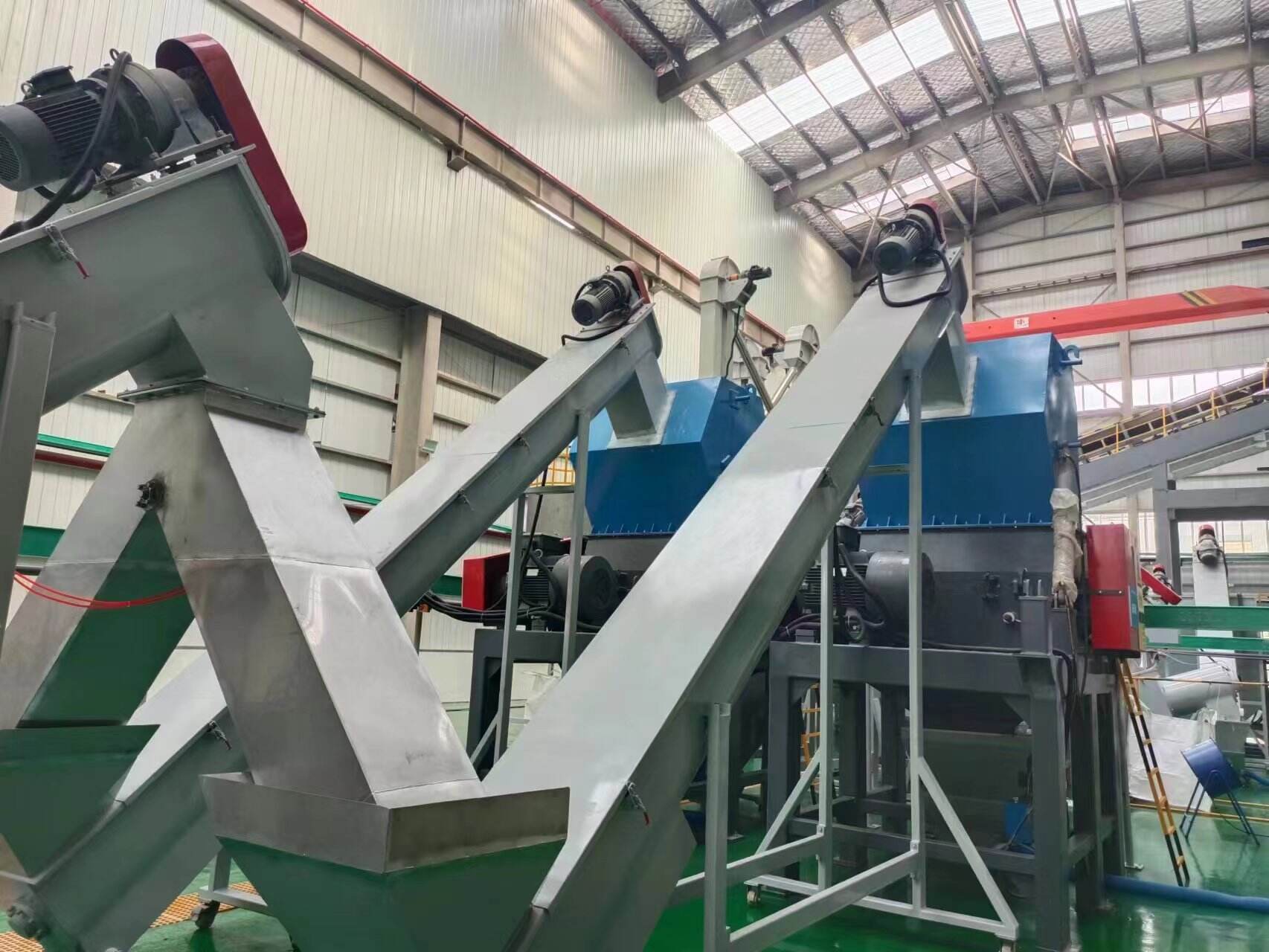
EU Facility Reduces kWh/ton by 22% with Heat Recovery and Intelligent Drying
German recycling facility has proven that energy consumption (per ton) is reducible by 22 % by employing heat exchangers that retrieve thermal energy from the extrusion process. What happens to the waste heat? It is used to operate a low temperature drying system that is moist removing without the use of conventional energy intensive dryer. In addition to continuous operation moisture control, this system has proven to maintain the quality level of the recycled material and has saved more than 580 MWh in a year. This amount of energy is enough to supply 120 average households for a year. It has been demonstrated that modernizing older ABS recycling systems instead of replacing them has huge potential improvements.
Asian ABS Recycle Line Achieves 35% Lower Energy vs. Legacy Systems Through Integrated Automation
A Southeast Asian ABS recycling plant has found a way to save around 35% energy when compared to older recycling facilities. The reason for this was described to be the better integration and coordination of the handling, processing, extrusion, and sorting of materials. The described system includes a smart feeder which runs on AI and adjusts the speed of the feeder to control the melt viscosity. This means there are little to no peaks in power demand as the feeder will adjust the speed. The idea is that the motors of the granulators and the conveyor belts will be coordinated so that no excess power is wasted. This system allows the plant to have 1,200 tons less greenhouse gas emissions annually, while still achieving a pellet purity of 99.2%, which is a rare energy saving combination in the industry.
FAQ
What is ABS plastic?
A plastic called ABS (Acrylonitrile Butadiene Styrene) is a thermoplastic commonly used in toys, automotive and electronic housing, because of its strength, rigidity, and ease of processing.
What is the relationship between energy efficiency and the recycling of ABS plastic?
Energy efficiency plays a key role in the recycling of ABS plastic because it helps lower operational costs, saves money, and reduces the recycling process’ carbon footprint.
What energy efficient technologies are used in ABS plastic recycling?
Energy efficient technologies used in ABS plastic recycling include- NIR based sorting technologies, advanced filtration systems, and twin screw extruder with regenerative drives.
What can be done to lower the carbon footprint in recycling centers for ABS plastic?
The carbon footprint of recycling centers for ABS plastic can be reduced by the use of energy efficient technologies, a balanced and optimized input of materials needed, and the recovery and recycling of energy in the system.
Table of Contents
- Why Energy Efficiency Matters in ABS Recycle Operations
- Twin-Screw Extruders with Regenerative Drives (30–40% kWh Reduction)
- NIR-Based Sorting + Closed-Loop Pre-Wash Systems for Input Optimization
- How Next-Gen Filtration and In-Line Rheology Enable High Purity at Lower Energy
- EU Facility Reduces kWh/ton by 22% with Heat Recovery and Intelligent Drying
- FAQ