EN
EN
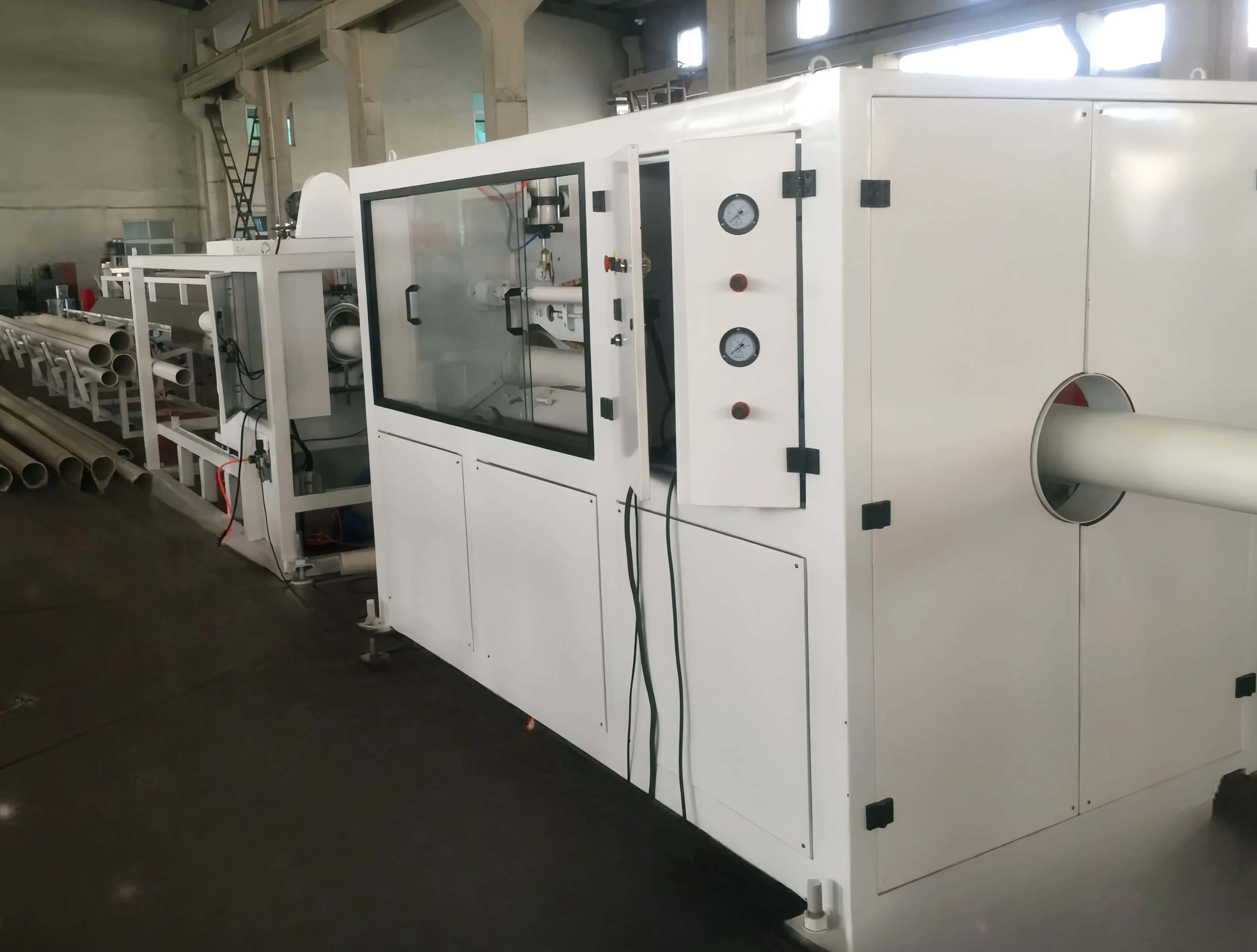
Ekipiment për Reciklimin e Baterive me Plumb-Acid dhe Përshtatja me Rregulloret
Në reciklimin global të baterive me plumb-acid, përshtatja me shumë rregullore është e rëndësishme. Ekipimenti për reciklimin e baterive me plumb-acid duhet të respektojë rregulloret për të shmangur vonime dhe përgjegjësi ligjore, si dhe për të mbrojtur mjedisin.
Përjashtimi Kushtëzuar i Nënpartisë G të RCRA dhe Detyra e Riutilizuesit
Nënpartia G e RCRA (40 CFR 266.80) detyron njësitë që përpunojnë bateritë të shfrytëzuara për të rifituar metale sekondare për një kompani rifituese të jenë në pajtim me detyrimet e kësaj njësie riciklimi dhe të kenë përfshirje pjesore nga rregullimet më të kufizuara për mbeturinat e rrezikshme. Njësitë e depozitimit/përpunimit për rifitimin janë plotësisht të lira nga kërkesat ligjore të menaxhimit të mbeturinave të rrezikshme, me kusht që të jenë pajisur me sisteme barrierë për ndalimin e rrjedhjeve të acidit të ngurtësuar dhe se rrjedhjet e zakonshme të acidit inspektohen dhe dokumentohen rregullisht. Nëse koha e menaxhimit të mbeturinave të rrezikshme për kompaninë rifituese është më e gjatë se 1 vit, koha e menaxhimit të mbeturinave të rrezikshme për kompaninë rifituese nuk përfundon më.
EPA kundrejt Përkufizimit të Mburiturave të Rrezikshme për Riciklimin e Baterive me Plumb-Acid
EPA ofron bateri në mbështjellëse për riciklim, të cilat kanë përfitime të favorshme nga përjashtimet nga menaxhimi i mbeturinave të rrezikshme. Megjithatë, kur mbështjellësa është e dëmtuar, plumbi konsiderohet mbeturinë e rrezikshme. Kështu, zbatimi i rregullave varet nga një proces i vazhdueshëm i dizajnit që përfshin hermetizimin me plumb, ku njësitë e hermetizuara të përpunimit pengojnë daljen e gazrave në atmosferë dhe humbjet mbi pesë miligramë për kilogram plumb (rritja), së bashku me një sistem neutralizimi të acidit të mbyllur; dhe sisteme kontrolli që arrijnë ndarjen efikase të mbeturinave brenda standardeve të riciklimit. Këto rregullime rrisin shpenzimet vjetore të EPA-s për zbatimin e rregullave mbi 120 000 dollarë amerikanë, sipas të dhënave të vitit 2023.
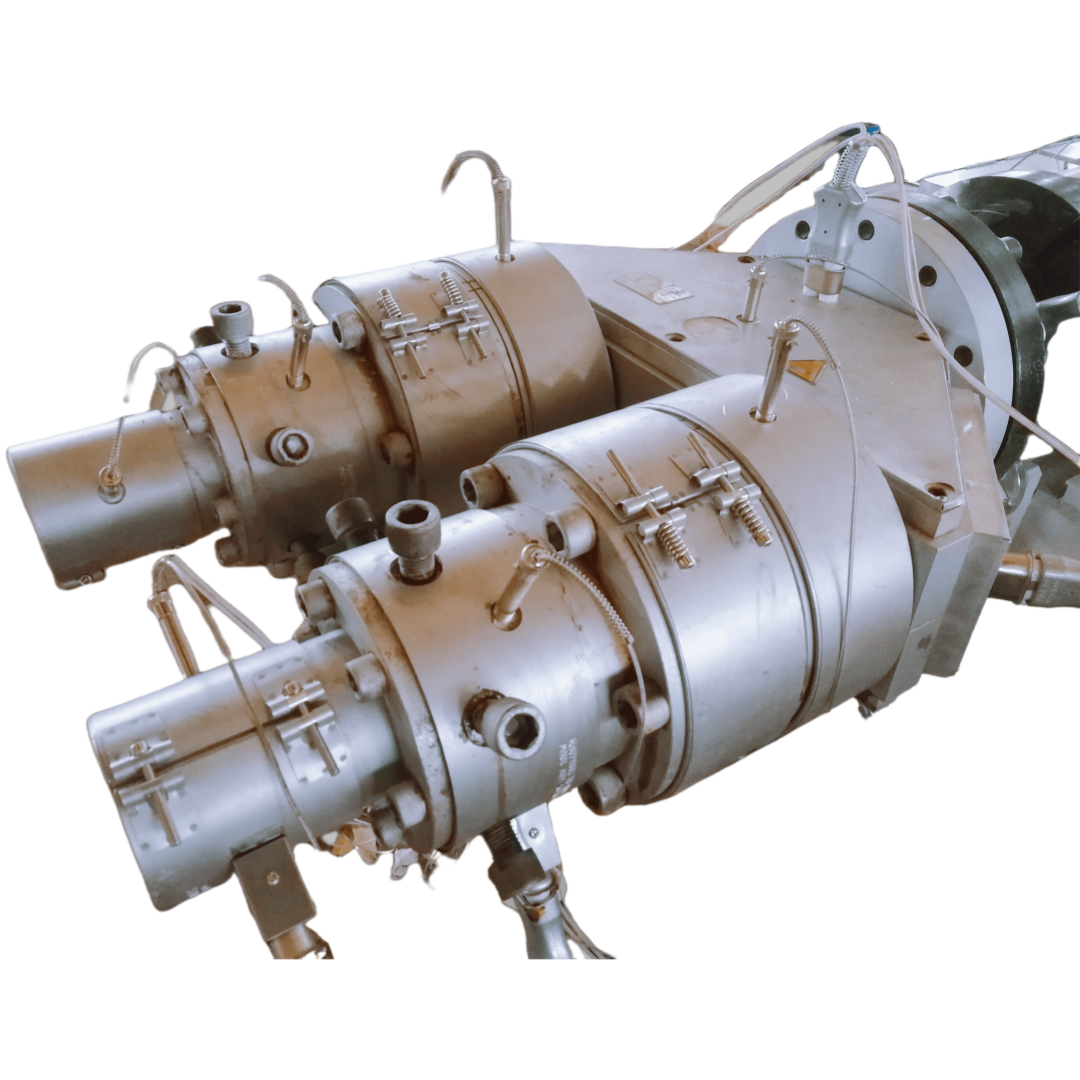
Me Konventën e Bazilit në fuqi, eksportimi i pajisjeve do të thotë se kompanitë duhet të kalojnë pengesat e teknologjisë së gjurmimeve të plumbit, pajisjeve të emisioneve që plotësojnë Aneksin VIII të Konventës dhe integrimet e formularit të dërgesës së BE-së. Prodhuesit e vendosur në Azinë kanë raportuar një zvogëlim 68% në vonime doganale, ndërkohë që arrijnë shkallë rikuperimi të plumbit prej 95% ose më shumë.
Arrijtja e Standardeve të Sigurisë për Rikuperimin e Baterive me Plumb-Acid
Integriteti i Kontrollit: Depozitimi i Mbulesuar (Bunded), Ndërtimi i Rezistent ndaj Korrozionit dhe Protokollet për Zbulimin e Vazhdueshëm të Shpërthimeve
Mbajtja e rrezikshme ka ndikime të mëdha dhe direkte në mjedis. Ruajtja me mbrojtje (bunded storage) kërkon që kapaciteti i saj të jetë së paku 10% më i madh se kapaciteti i kontejnerit më të madh të ruajtjes, ndërkohë që përdorimi i gjerë i fiberglasit, i cili prodhohet për të qenë rezistent ndaj acidit dhe degradimit nga acidi, pengon korrozionin e kontejnerëve të ruajtjes. Sistemet e zbulimit të rrjedhjeve mund të projektohen për të përdorur një kombinim sensorësh elektronikë për zbulimin e rrjedhjeve dhe inspektime manuale (të rregullta), me qëllim të minimizimit të kohës së marrjes së mostrave. Për objektet që përpunojnë mbi 5 ton bateri çdo muaj, OSHA kërkon kryerjen e kontrollimeve të integritetit.
Sistemet e Kontrollit të Emisioneve: Pastrojësit e Gazrave Acidë, Ventilimi i Hidrogjenit dhe Filtrimi HEPA për Pluhurin e Plumbit
Rreziqet ajrore janë shpëlarësit e gazeve acidike dhe faktorë të tjerë që gjenden në sistemin e ventilimit. Filtrimi HEPA është projektuar për të kapur grimcat e plumbit me madhësi 0,3 mikron. Është e detyrueshme që emisionet të monitorohen çdo orë; shtesë, NIOSH tregon se përdorimi i një sistemi filtrimi zvogëlon nivelin e plumbit në mostrat e marrura nga hapësira personale e punonjësit me 89% në krahasim me një sistem aktiv.
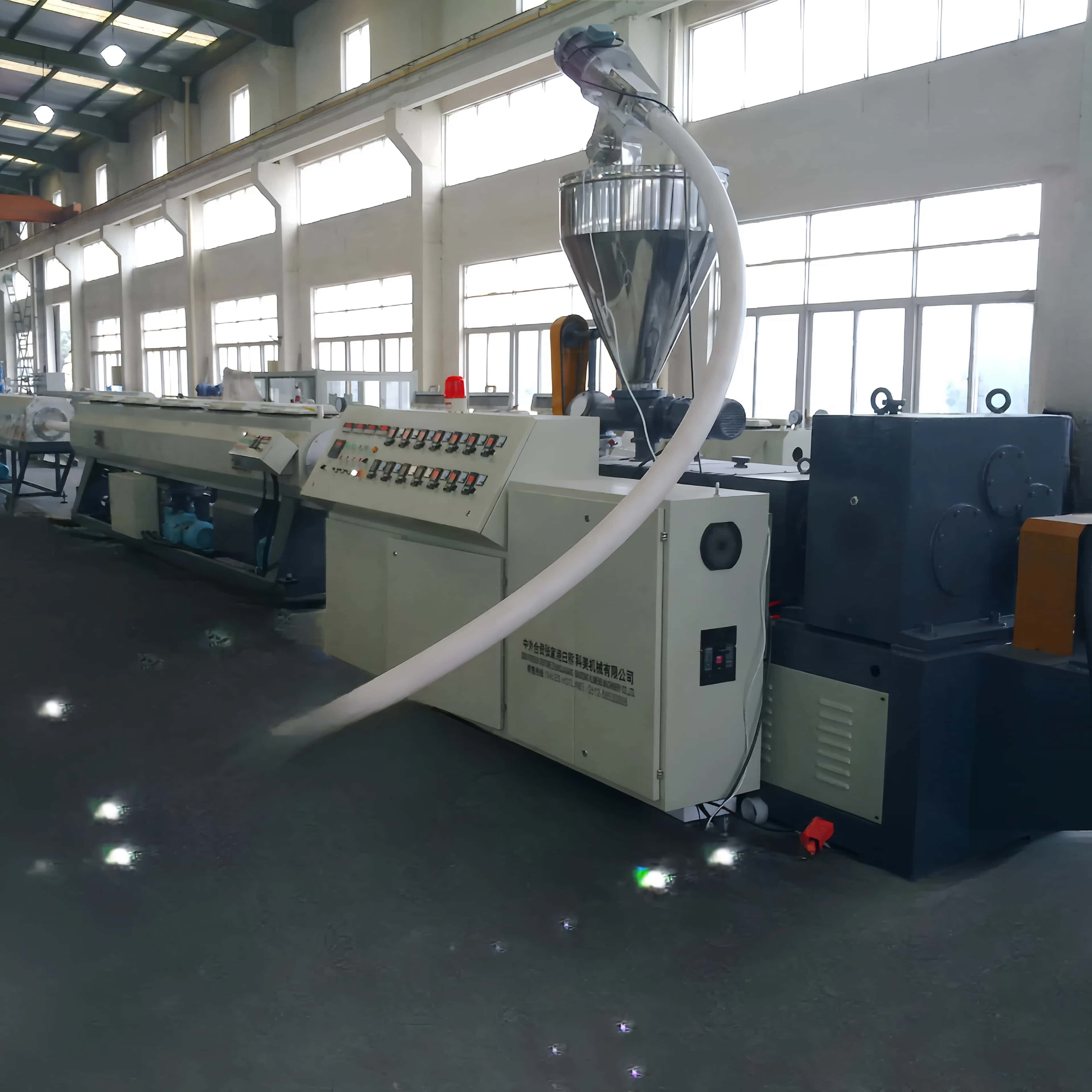
Standardet e Performancës Specifike për Procese (PSPS) për Pajisjet e Rikuperimit të Baterive me Plumb-Acid
Shkrirja dhe Ndara Automatike: Ambjente të Mbyllura, Ndara e Plastikut nga Plumbi Bazuar në Vibracion dhe Kufijtë e Puresisë
Të gjitha sistemet për riciklimin e baterive me acid të plumbit duhet të krijojnë sisteme që mbajnë dhe sigurojnë një pastërti ≥99% në ndarje. Meqenëse plumbi i tharë shkakton efekte të pakthyeshme dhe të paaftësueshme, sistemet duhet të përfshijnë kamerat e mbyllura për të mbajtur plumbin e tharë, në dobi të punonjësve. Sistemet e klasifikimit që klasifikojnë bazuar në fluktuimet e vibruesve që manipulojnë klasifikimin e Plastikut (me një dendësi specifike) dhe të Plastikut (me një dendësi specifike) dhe të Plumbit (me një dendësi specifike), pretendojnë të arrijnë një shkallë ripunimi plumbi prej 98,5% pa rezultuar në kontaminim të përziera. Plumbi i ripunuar për qëllime të prodhimit të pllakave të baterive duhet të ketë një pastërti ≥99,9% për të eliminuar mundësinë e degradimit elektrokimik të njësive të reja të baterive; prandaj, pastërtia e plumbit të ripunuar nuk është e diskutueshme aspak. Meqenëse (H) dhe (TE) janë të përzier brenda një (U), ato do të konsumohen me kalimin e kohës, prandaj përfshihet edhe një sasi e vogël Z. Ka një mbetje rafinimi (E) nga 72% deri në 1%, në krahasim me një mbetje rafinimi (E) prej 0,5%. (H)(E) është për dobinë e ekonomisë rrethore.
Pyetje të shpeshta
Cilat rregullime aplikohen për pajisjet e riciklimit të baterive me acid plumbi?
Të gjitha pajisjet duhet të respektojnë kërkesat e Nënpartisë G të RCRA, dhe eksportet ndërkombëtare duhet të respektojnë kërkesat e vendosura nga EPA dhe Konventa e Bazilit.
Pse është e rëndësishme integriteti i mbajtjes në riciklimin e baterive?
Në industrinë e semikonduktorëve dhe të PCB-ve, integriteti i mbajtjes është i rëndësishëm për riparimet supralineare, pasi zvogëlon shumë shansin e rrjedhjeve që dëmtojnë mjedisin.
Cili është roli i EPA-s në riciklimin e baterive?
Sipas EPA-s, bateritë tërësisht të integruara nuk klasifikohen si mbeturina të rrezikshme; megjithatë, bateritë e procesuara duhet të klasifikohen më tej për të projektuar sisteme të reja përpunimi.