EN
EN

Кәсіби қорғасын-қышқылды аккумуляторларды қайта өңдеу қалай экологиялық ластануды азайтады?
Қорғасын-қышқылды аккумуляторлар көлік құралдарында, резервтік электрмен жабдықтауда және өнеркәсіптік жабдықтарда қолданылады. Егер дұрыс емес түсіндірілсе, бұл аккумуляторлар қоршаған ортаны қатты ластай алады. Осы теріс әсерлерден құтылу үшін негізгі тәсілдердің бірі — қорғасын-қышқылды аккумуляторларды қайта өңдеу. BXKM — аккумуляторларды қайта өңдеуге маманданған кәсіпорын, ол қорғасын-қышқылды аккумуляторларды қайта өңдеуде соңғы заман технологияларын қолданып, қоршаған ортаға теріс әсерді азайтады. Қорғасын-қышқылды аккумуляторларды қайта өңдеу процесімен танысу экология мен халық денсаулығын қорғау үшін кәсіби қайта өңдеудің ластанудан құтылуға қалай көмектесетінін түсінуге мүмкіндік береді.
Кәсіби тәсіл Қорғасынның Таралуын Болдырмауға, Топырақ пен Су Ластануын Алдын Алуға Мүмкіндік Береді
Кәсіби қорғасын-қышқылды аккумуляторларды қайта өңдеудің көптеген пайдасы бар, оның ішіндегі ең маңыздысы — қорғасынның таралуын алдын алу және сол сияқты топырақ пен судың ластануы. Қорғасын — қауіпті ауыр металл, ал полигонаға тасталған ластанған қорғасын-қышқылды аккумулятор қорғасын уының таралуына әкелуі мүмкін
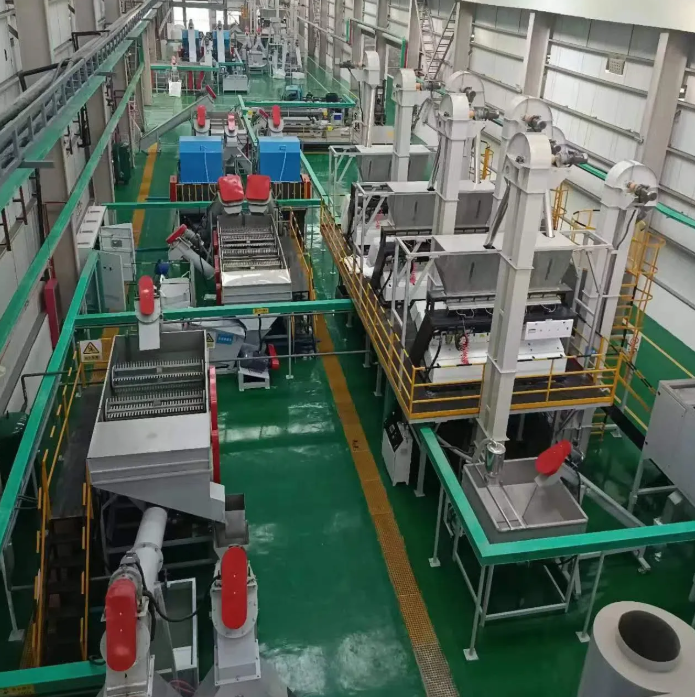
Негізгі қорғасын туындысы жабық күйінде сақталып, жаңа аккумуляторларда немесе басқа өнімдерде қайта пайдаланылады, бұл қорғасынның табиғатқа шығуын болдырмауға кепілдік береді. Бұл қорғасынмен жұмыс істеу қорғасын-қышқылды аккумуляторлардың ұзақ уақыттық қалдықтарының топырақ пен суды ластауын алдын алу үшін маңызды
Әрі қарай химиялық ластануды болдырмау үшін электролиттерді тазарту бойынша тиісті шаралар қабылданады
Қорғасын-қышқылды аккумуляторлардағы электролит су мен күкірт қышқылының қоспасынан тұрады. Бұл қоспа өте улы болып табылады және емдеу жүргізбесе, түзетілмейтін химиялық ластану мен зақымдануды тудырады. Бақылаусыз қалдырылған электролит өсімдіктерді жойып, топырақты қышқылдандырып, су объектілерін ластайды, сондықтан жергілікті экожүйелердің тепе-теңдігі бұзылады. Қорғасын-қышқылды аккумуляторларды қайта өңдеу кезіндегі электролитке маман-мамандар тарапынан арнайы өңдеу жүргізіледі, оның ішінде BXKM де электролиттің қышқылдығын бейтараптау үшін қауіпсіз химикаттар қолданады және судың тазартылуы мен қайта пайдалануға немесе төгу үшін қауіпсіз деңгейге дейінгі тазартылуы қамтамасыз етіледі, сонымен қатар коррозиялық әсер ететін электролит бейтарапталады. Қатты қалдық өнімдер зиянды заттардың жойылуы мен қауіпсіз төгілуі үшін өңделеді. Химиялық ластану арқылы жер мен суға әсер ететін қышқылдық зақымдарынан қорғаныс қамтамасыз етіледі, сондықтан қорғасын-қышқылды аккумуляторларды қайта өңдеу кезінде электролитті дұрыс өңдеу өте маңызды.
Зиянды қалдықтар полигонына деген қысымдың алдын алу және оның әкелетін ластануы
Кәсіби қорғасын-қышқылды аккумуляторларды қайта өңдеу қоқыс полигонына түсетін қысымды және онымен бірге келетін ластануды азайту үшін және болуы керек.
Қорғасын-қышқылды аккумуляторлар қоқыс полигонында көп орын алады, үлкен салмақты, ыдырамайды және ыдырауы үшін өте ұзақ уақыт қажет. Уақыт өте келе қоқыс полигонылары қоқыстардан түзілетін улы сұйық — фильтрат пен қауіпті парниктік газ — метанды шығарады, бұл газдар ауа мен суға өте зиянды ластану көздері болып табылады. Қоқыс полигонына түсірілетін қорғасын-қышқылды аккумуляторлар санын азайту метанның шығуын және фильтратты азайтады. BXKM қорғасын-қышқылды аккумуляторларды қайта өңдеу жылына қоқыс полигонына жіберілетін аккумуляторлар санын қысқартып, қоқыс полигоныларына түсетін жүктемені жеңілдетеді. Тұрақсыз аккумуляторлардың тасымалдануынан үнемделген кеңістік пен қоқыстың болмауы арқылы аккумуляторларды тасымалдаудың экологиялық ізі азаяды.
Жаңа ресурстарды қазуға, оларды өңдеуге және жаңа ресурстарды тартуға байланысты қоршаған ортаға әсер ету қажеттілігін азайтады
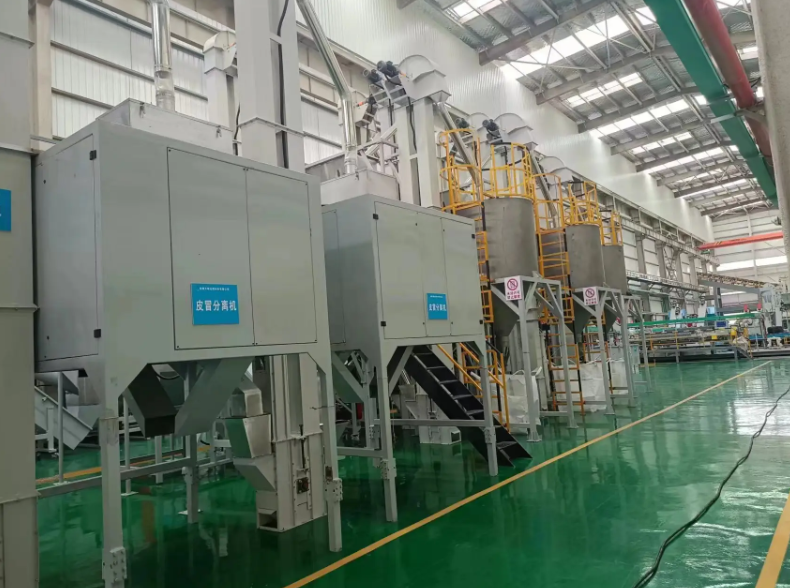
Сарапшылардың пластикты қайта өңдеу, араластыру және экструдерлеу машиналары арқылы қолдау көрсетіледі, сондықтан пластикты қайта өңдеу таза пластик қорын қазу қажеттілігін әлдеқайда азайтады. Жаңа пластик алу үшін мұнай және басқа да жанғыш емес шикізаттар өңделеді. Бұл процессте көп мөлшерде тас көмір отыны пайдаланылады және көміртегі диоксиді мен улы органикалық қосылыстар сияқты зиянды газдар шығарылады. Пластикалық өнімдерді өндіру кезінде сондай-ақ топырақ пен су көздерін ластайтын өнеркәсіптік қалдықтар пайда болады. Сонымен қатар, пластик өнімдері мен оларға байланысты компоненттерді өндіру шикізаттар мен энергияны тұтынады, бұл Жерге тиеген жүкті тағы да арттырады. Тиімді пластикты қайта өңдеу жабдықтары көмегімен қалдық пластиктің 95%-дан астамын қайта өңдеуге, сорттауға, араластыруға және қайта пайдалануға болатын пластик шикізатына экструдерлеуге болады; сондықтан жаңа пластик ресурстарына деген сұранысты қанағаттандырып, жаңа пластик ресурстарына деген сұранысты алмастыру арқылы жанғыш емес ресурстардың артық пайдаланылуын азайтуға болады.
BXKM-нің пластмассаны қайта өңдеу, араластыру және экструдерлеу жабдықтары қайта өңделген пластмасса қалдықтарын тазартады, сорттайды, ұнтақтайды және өңдейді. Өңделген пластмасса бөлшектері мен материалдары пластмасса өнімдерін шығаратын компаниялардың қойған талаптарына сай келеді. Бұл компаниялар қайта өңделген материалдарды жаңа пластмасса өнімдерін шығару үшін пайдаланады. Пластмасса ресурстарын қайта пайдалану арқылы жаңа шикізаттың қазып алынуы мен өңделуіне деген сұраныс қатты төмендейді, сондықтан шикізатты қазып алу мен өнеркәсіптік өндіріс кезінде туындайтын ластану — соның ішінде сулықтың төгілуі мен ауаның ластануы — азаяды, осылайша пластмасса өндірісінің қоршаған ортаға тигізетін қысымы жеңілдетіледі.
Тиімді ластануды бақылау Қоршаған ортаны қорғау бойынша нұсқауларға кіреді.
Қазіргі заманғы пластикті қайта өңдеу, араластыру және экструдерлеу технологиясына сүйене отырып, бақыланатын кәсіби деңгейдегі пластикті қайта өңдеу әрекеттері қатаң экологиялық қорғау ережелерінде жүзеге асады және қайта өңдеу процесі кезінде босаған кез келген ластандырғыш заттың тиісті тәртіпке келтірілуін қамтамасыз етеді. Керісінше, реттелмеген ресми емес пластикті қайта өңдеу әрекеттері қарапайым әдістерді қолданады: пластиктің қалдықтарын ашық отта жағу, ластануға қарсы шараларсыз негізгі ұнтақтау және пластиктің қалдықтары мен қосымша өнімдерін кездейсоқ тастау. Бұл қарапайым әдістер тек пластиктің қалдықтарынан туындайтын ластануды ғана нашарлатпайды, сонымен қатар улы газдар мен зиянды бөлшектерді де шығарады, олар топырақ пен ауаны ластайды және жақын аймақта тұратын адамдар мен қызметкерлердің денсаулығына қауіп төндіреді. BXKM компаниясының пластикті қайта өңдеуі сияқты кәсіби және бақыланатын пластикті қайта өңдеу әрекеттері осындай әрекеттерге қарама-қарсы ұлттық және халықаралық экологиялық қорғау стандарттарына толық сай келеді. Біздің пластикті қайта өңдеу, араластыру және экструдерлеу машиналарында қолданылатын тұйық циклды өңдеу әдістері қайта өңдеу кезінде пайда болатын кез келген тозаң мен улы газдарды реттеуге және ұстауға көмектеседі. Пластикті қайта өңдеу процесінің барлығы ластануға әкелмейтін, пластиктің қалдықтары дұрыс бақыланатын және қоршаған ортаға оң әсер ететін болуы үшін, экологиялық ластануға себеп болуы мүмкін барлық қосымша өнімдер толық жиналып, өңделеді.