EN
EN
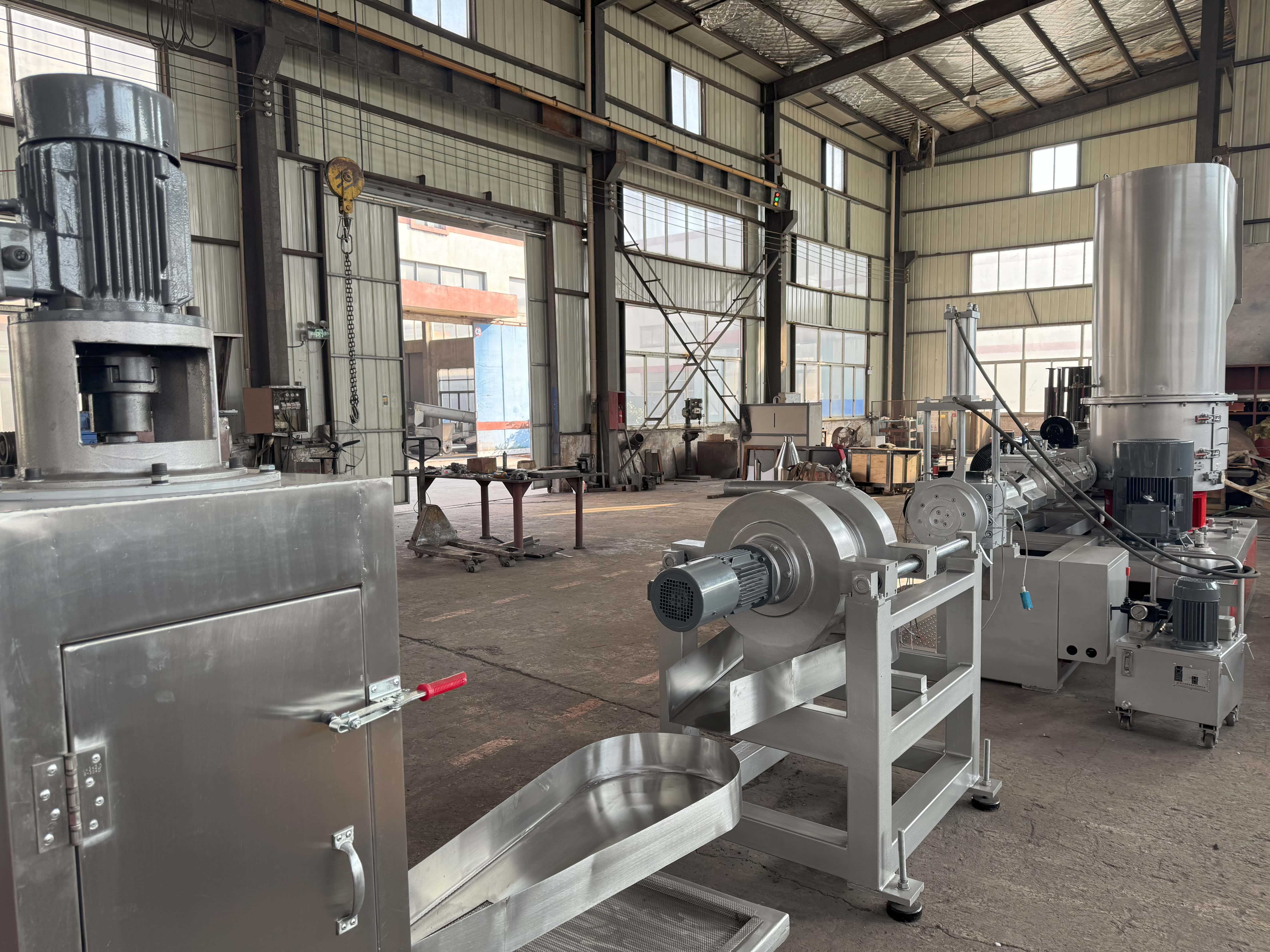
The $120,000 Lesson – When a Missing ISO Certificate Cost More Than the Shipment
A cosmetics contract manufacturer in New Jersey received a 20‑ton bulk shipment of dimethyl silicone oil for a premium skin‑care line. The supplier had provided a Certificate of Analysis, but no ISO 9001 certification—and the procurement team had not conducted an on‑site audit. The first batch of emulsion failed stability testing. Then the second batch failed. The root cause: batch‑to‑batch viscosity variation of 18%—well beyond the ±5% specification—caused by inconsistent processing at the supplier's facility. The manufacturer scrapped three production runs, missed a major retail launch, and incurred $120,000 in wasted materials and lost revenue. The supplier's low price saved them $2,000 per shipment. The failure cost 60 times that.
This scenario is more common than most procurement professionals admit. Over the past eight years, our supply chain team has investigated over 150 quality incidents involving bulk silicone oil—from personal care to electronics and pharmaceuticals. The consistent finding is that the majority of these incidents trace back to suppliers without a verified quality management framework. Understanding why ISO certification is non‑negotiable isn't just about compliance; it is about protecting your formulation, your production schedule, and your brand reputation.
ISO 9001:2015 – The Quality Assurance Foundation
ISO 9001:2015 is the globally recognised baseline for process control, requiring suppliers to maintain documented procedures, corrective action systems, and full traceability. These mechanisms directly reduce production disruptions and reject rates.
| Quality Metric | Without ISO 9001 | With ISO 9001 |
|---|---|---|
| Batch‑to‑batch viscosity variation | 15–18% average | <3% average |
| Incoming inspection time | 4–6 hours per batch | 2–3 hours per batch |
| Reject rate (first‑pass) | 8–12% | <2% |
| Traceability depth | Limited or missing | Full lot‑to‑lot tracking |
For bulk dimethyl silicone oil, the impact is measurable: a leading personal care manufacturer reported that viscosity fluctuations between shipments averaged 15% when working with uncertified sources—forcing formulation adjustments with every delivery. After mandating ISO 9001:2015 compliance, batch‑to‑batch viscosity variation dropped to below 3%. Similarly, an electronics manufacturer's quality assurance team observed a 40% reduction in incoming inspection time once supplier certificates of analysis became consistently reliable. ISO 9001:2015 gives buyers confidence that every shipment conforms to predetermined specifications—preventing formulation drift, unplanned downtime, and downstream processing failures.
Sector‑Specific Standards – Closing Compliance Gaps
Beyond ISO 9001:2015, industry‑specific certifications close critical compliance gaps for regulated end uses.
| Standard | Scope | When Required |
|---|---|---|
| ISO 22716 | Cosmetic Good Manufacturing Practice | Skin‑contact applications; personal care |
| ISO 14001 | Environmental management | Sustainability reporting; green procurement |
| USP/EP monographs | Identity, purity, impurity profiles | Pharmaceutical; food‑contact |
| IATF 16949 | Automotive quality management | Automotive component lubricants |
ISO 22716 (Cosmetic Good Manufacturing Practice) ensures dimethyl silicone oil meets purity and safety requirements for skin‑contact applications. ISO 14001 demonstrates verifiable environmental stewardship—increasingly essential for brands with public sustainability commitments. In pharmaceutical contexts, alignment with USP or European Pharmacopoeia (EP) monographs confirms identity, purity, and impurity profiles meet stringent thresholds, eliminating duplicative in‑house testing.
When a supplier holds both ISO 9001:2015 and a sector‑specific standard, it signals their quality system is intentionally configured—not just certified—for the precise tolerances, cleanliness, and regulatory demands of that value chain. This turns certification from a procedural checkbox into a proactive risk‑management tool.
Technical Specifications – What Must Align with ISO‑Certified Material
ISO certification validates process rigour—but technical performance is confirmed only through precise, batch‑specific specifications. Three parameters are non‑negotiable across all grades (100 cSt to 10,000 cSt):
| Specification | Requirement | Why It Matters |
|---|---|---|
| Viscosity | Target grade ±5% | Predictable film formation; emulsion stability |
| Volatile matter | <0.5% | Prevents voids in high‑temp or vacuum applications |
| Purity | ≥99.5% | Minimises side reactions in sensitive formulations |
| Refractive index | Within grade range | Confirms composition consistency |
| Flash point | ≥300°C (typical) | Safety in high‑temperature processing |
A supply‑chain survey by a major silicone provider found that 60% of qualification time savings came from receiving COAs with these metrics clearly reported—highlighting how precision and documentation jointly accelerate onboarding and reduce verification overhead.
Regulatory Readiness – FDA, REACH, and IPC Compliance
ISO 9001:2015's core requirements—controlled documentation, defined change management, and full batch traceability—directly enable compliance with FDA's Quality System Regulation (21 CFR Part 820), EU REACH substance identification, and IPC standards for electronics materials.
| Regulation | ISO‑Enabled Capability | Compliance Benefit |
|---|---|---|
| FDA 21 CFR Part 820 | Traceable lot numbers; production records | Audit‑ready documentation |
| EU REACH | Consistent composition data | Streamlined substance registration |
| IPC standards (electronics) | Viscosity stability; volatile content records | Demonstrable material reliability |
For pharma or food‑contact applications, traceable lot numbers, production dates, and purity records form the backbone of an FDA audit trail. Under REACH, consistent composition data streamlines substance registration and updates. In electronics manufacturing, IPC conformance hinges on demonstrable material reliability—records of viscosity stability and volatile content from ISO‑certified systems satisfy this requirement. While ISO certification does not substitute for regulatory approval, it establishes a robust, audit‑ready data infrastructure that shortens time‑to‑market and strengthens contamination controls across global supply chains.
Sourcing Channels – Direct Partnerships vs. Vetted Marketplaces
Two primary channels dominate bulk sourcing: direct manufacturer partnerships and vetted industrial marketplaces. Each requires distinct due diligence to confirm ISO certification is active, authentic, and operationally embedded.
| Factor | Direct Manufacturer | Vetted Marketplace |
|---|---|---|
| Transparency | High (on‑site audits; real‑time batch records) | Moderate (platform‑mediated) |
| Qualification effort | High upfront | Lower initial; higher ongoing verification |
| Customisation | Yes (co‑develop specifications) | Limited (standard grades) |
| Risk of counterfeit | Low (verified supply chain) | Moderate (requires independent validation) |
Direct partnerships offer the deepest transparency—enabling on‑site audits, real‑time access to batch records, and co‑development of custom specifications. The trade‑off is higher upfront qualification effort. Vetted marketplaces accelerate initial supplier discovery but demand rigorous validation: always verify the supplier's ISO 9001:2015 certificate via the accredited certification body (e.g., UKAS, ANAB), request recent COAs for the exact grade you require, and cross‑check purity and volatile‑matter claims against independent lab reports. A platform badge alone is insufficient—only disciplined verification separates truly compliant producers from those self‑declaring conformity.
Beyond Certification – Validating Real‑World Performance
An ISO certificate confirms process consistency—but real‑world reliability depends on how the material performs in your application. To secure dependable bulk supply, procurement teams must move beyond paper‑based qualifications and validate performance under actual operating conditions.
| Validation Step | Action | Acceptance Criteria |
|---|---|---|
| Batch sample testing | Commission independent lab analysis | Viscosity: ±5%; Volatiles: <0.5%; Purity: ≥99.5% |
| Thermal stability | Test at your processing temperatures | No degradation or outgassing |
| Chemical compatibility | Test with system elastomers, metals, additives | No swelling, corrosion, or reaction |
| COA verification | Review for every delivered lot | Matches quoted specifications |
Start with batch samples and commission independent testing for viscosity accuracy, thermal stability at your typical processing temperatures, and chemical compatibility with system elastomers, metals, and additives—even 99.7% pure oil can trigger costly downtime if overlooked. Require the supplier to provide a Certificate of Analysis (COA) for every delivered lot. Independent third‑party test reports add objective assurance. Equally vital is full batch traceability—knowing the precise production history enables rapid root‑cause analysis if quality shifts occur. Together, hands‑on sample validation, verified COAs, and granular traceability convert a transactional supplier relationship into a resilient, trust‑based supply partnership.
Quality Assurance – Standards for Silicone Oil Procurement
| Standard | Scope | What It Verifies |
|---|---|---|
| ISO 9001:2015 | Quality management system | Process consistency; traceability |
| ISO 22716 | Cosmetic GMP | Purity; safety for skin contact |
| ISO 14001 | Environmental management | Sustainable operations |
| ASTM D445 | Viscosity measurement | Accurate viscosity grading |
| USP/EP monographs | Pharmaceutical purity | Identity; impurity profiles |
| IATF 16949 | Automotive quality | Automotive‑grade consistency |
Engineering Partnership – What G‑Honor Games Brings to the Table
Achieving consistent, reliable bulk dimethyl silicone oil supply requires more than selecting a certified supplier from a list—it demands a manufacturing partner that integrates ISO 9001:2015 quality systems into daily operations, not just audit checklists. G‑Honor Games brings this engineering‑first philosophy to silicone oil manufacturing. Our facilities maintain ISO 9001:2015 certification with documented traceability from raw material intake to final bulk shipment. We hold ISO 14001 for environmental management, with optional ISO 22716 compliance for cosmetic‑grade material. Our quality assurance programme includes ASTM D445 viscosity verification, volatile matter analysis, and purity testing (≥99.5%) for every batch. We provide a Certificate of Analysis with every shipment, backed by independent third‑party testing upon request. Our engineering team collaborates with procurement professionals to match viscosity grades (100–10,000 cSt), packaging configurations, and regulatory documentation to specific application requirements. For quality managers, procurement teams, and formulation specialists, this translates to consistent material performance, faster supplier qualification, and a reliable supply partner that delivers on specification—every time.
FAQ
Q: Why is ISO certification important for bulk dimethyl silicone oil suppliers?
A: ISO certification ensures process consistency, batch‑to‑batch traceability, and regulatory alignment—reducing risks of viscosity variation, contamination, and costly production failures.
Q: What ISO certifications are most relevant for silicone oil procurement?
A: ISO 9001:2015 (quality management) is foundational. ISO 22716 (cosmetics), ISO 14001 (environmental), and IATF 16949 (automotive) are sector‑specific complements.
Q: How does ISO certification support FDA, REACH, or IPC compliance?
A: ISO 9001:2015 provides controlled documentation, change management, and full batch traceability—creating an audit‑ready data infrastructure that supports FDA 21 CFR Part 820, REACH registration, and IPC material reliability requirements.
Q: What technical specifications should buyers verify for bulk silicone oil?
A: Key specifications include viscosity (target ±5%), volatile matter (<0.5%), purity (≥99.5%), refractive index, and flash point. Each batch should include a Certificate of Analysis.
Q: How can buyers confirm the authenticity of a supplier's ISO certification?
A: Verify the certificate through the accredited certification body (e.g., UKAS, ANAB), request recent COAs, and cross‑check claims against independent lab reports.
Q: What should procurement teams validate beyond ISO certification?
A: Validate real‑world performance through independent batch sample testing for viscosity accuracy, thermal stability, and chemical compatibility with system components. Require full batch traceability.