EN
EN
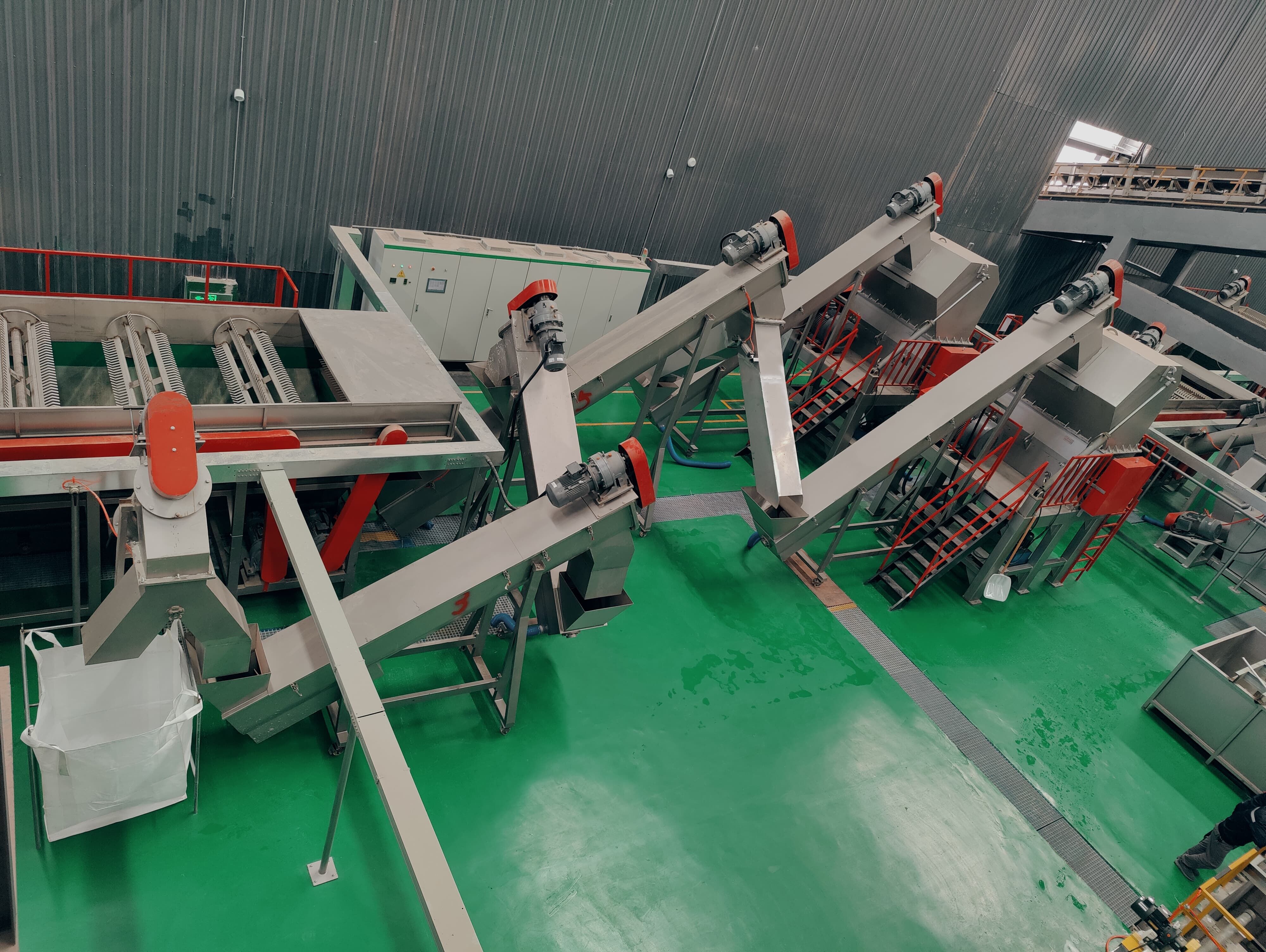
The Importance of Performance of Powder Mixers in Relation to Quality of Plastics
The blend quality of a powder mixer determines the quality of the plastic in character to its structural integrity and aesthetic appearance. The introduction of blending faults will result in the occurrence of defects that perform negatively to the product and increase the scrap and decrease the manufacturability of the product.
Using the Case of Inadequate Dispersion in a Mixer
Poor color dispersion has produced the speckling and streaking that has frustrated consumers. These pigments display contrast shifts that the human eye can perceive at 2.5 Delta E. These pigments can cause injection molding to scrap 12 to 18 percent more material. A remedy to the above problem is high intensity powder mixers that operate at controlled levels of shear and temperature.
Inconsistent filler distribution leads to reduced impact resistance and tensile strength
How well the mineral fillers like talc and fibrous reinforcements are dispersed influences the strength and durability of the material. If there is too large of a difference between batches, a difference greater than 7%, the results can be disastrous. Research published in the Plastics Engineering Review has shown a 30% reduction in tensile strength and a 22% reduction in impact resistance. What does that mean? These weaknesses become an area where stress is concentrated leading to fractures when force is applied. This is the reason why manufacturers are spending money on high-level mixing technology. Quality powder mixers mean that they are controlling the flows and the mixing time to better than 3% variation over a batch.
Achieving Optimal Blending Uniformity with Advanced Powder Mixers
Measuring Homogeneity: Targeting Standard Deviation Thresholds for Critical Additives
Getting a consistent distribution of additives is critical for the performance of plastics. Most industry rules require blending additives like flame retardants and UV stabilizers to have a standard deviation of 5% or less. If manufacturers do not comply, they face bigger challenges. Areas may become weak and fail, since not enough additive was present. Conversely, too much additive is wasted to formulation. The most recent powder mixers can achieve even less than 2% deviation because of real-time monitoring built-in capacitance sensors, machine learning algorithms that adjust rotor speed, and 3D laser scans that check the distribution of spacers across the batch. The most recent Powder Processing Report has shown that plants with the 3% target achieved a 41% data reduction in issues with thermal degradation.
High-Shear vs. Gentle Mixing Powder Mixer Designs: The Cost of Dispersion Efficiency Versus Polymer Sensitivity
The selection of mixers is optimized based on the minimization of polymer sensitivity.
High shear systems are excellent for breaking apart those stubborn clusters, but there’s a downside. High sheer mixing systems are able to drive up temperature which in turn cause molecular bonds to break instead of mixing properly. Tumble blenders primarily keep the polymers intact, but are simply too weak to evenly distribute the smaller particulates throughout the entire batch. This demand for cheaper options in the market mixed systems are becoming the standard. Customers report mixed systems to be favorable for the market as mixed systems are able to be programmed to as gentler mixing stages to keep components in the mixture suspended in the batch and prevent a negative effect on the end product.
Concrete ROI: Decreased Defects, Decreased Waste, Increased Consistency in Batches
Real world evidence: After an upgrade in the powder mixer, the rejection rate dropped by 32%.
Vertical powder mixers save money by eliminating defects, reducing waste, and increasing consistency in batches, although this should also be supplemented with a good horizontal mixer as well. While researching different manufacturing plants, a majority of the facilities experienced between a 30 and 35 percent drop in rejected products post installation of a vertical powder mixer. When factoring the average medium size factory, the vertical powder mixer also eliminates the need to perform repetitive work on rejected batches, cancel work, waste customer materials, and deal with customer returns, which in total equates to roughly 740 thousand dollars annually. This is fairly accurate based on the multiple resources involved to fix varying problems caused by inconsistent mixing.
The right dispersion measurements can eliminate wasted resources by about 15 to 20 percent. This allows companies to stop using extra additives because mixtures will not be clumping. Combining quality improvements and shorter cycles from production to shipment makes it easy to see why most companies expect to see a payback from their investment in about 18 month plus or minus a few months. For polymer companies, research and development is extremely valuable. One example is the company that developed a Polymer dispersion system. They saved a lot of money by reducing waste and streamlined their research and development by hundreds of thousands of dollars per year.
Improvement Operational Impact Financial Benefit
Rejection Rates 32% average reduction $740k annual savings
Material Usage 15–20% waste decrease 18-month ROI typical
Batch Consistency 99% homogeneity target Reduced QC overhead
Higher then typical inter-batch consistency also means less production lags, stronger order fulfillment, and builds customer confidence, all of which are differentiators in the competitive polymer industry.
FAQS
Why is optimal blending in plastic production important?
Optimal blending ensures consistent color, strength, and durability in plastic products, minimizing defects and waste.
What are high-shear and gentle mixing systems used for?
Agglomerated pigments and fillers are dispersed using high shear systems and gentle mixing systems are better for shear-sensitive polymers.
How can powder mixers boost efficiency in manufacturing?
Improved powder mixers optimize batch consistency and operational savings and reduce rejection rates and waste. Improved product quality also enhances efficiency.